Das afrikanische Reich von Mali und sein goldreicher Kaiser
Die Geschichtsschreibung übersieht oft, wie antike Wirtschaftsmächte unser heutiges Verständnis von Reichtum geprägt haben.
Anzeigen
Der Afrikanisches Reich von Mali steht als Beweis für strategisches Ressourcenmanagement und visionäre Führung.
Dieser Artikel untersucht die ausgeklügelten Handelsnetzwerke des Reiches, seinen legendären Herrscher Mansa Musa und das bleibende kulturelle Erbe, das er hinterlassen hat. Wir analysieren, wie Gold eine Regionalmacht in einen globalen Giganten verwandelte.
Zusammenfassung
- Ursprung und territoriale Ausdehnung der Manden Kurufaba.
- Wirtschaftliche Vorherrschaft durch Gold- und Salzhandelsrouten.
- Die Pilgerreise von Mansa Musa und ihre globalen inflationären Auswirkungen.
- Intellektuelles Wachstum in den erstklassigen Universitätszentren von Timbuktu.
- Lehren für moderne Berufstätige zum nachhaltigen Vermögensaufbau.
Welche historische Bedeutung hat das afrikanische Reich von Mali?
Aus den Ruinen des Ghana-Reiches entstand das Afrikanisches Reich von Mali Die westafrikanische Geopolitik wurde im 13. Jahrhundert neu definiert. Es handelte sich nicht nur um ein Königreich, sondern um einen riesigen Staatenbund.
Das Fundament des Imperiums ruhte auf dem Kurukan Fugua, eine frühe mündliche Verfassung. Dieses Dokument etablierte soziale Klassen und rechtliche Rahmenbedingungen und sicherte so die Stabilität über verschiedene ethnische Gruppen und riesige geografische Gebiete hinweg.
Anzeigen
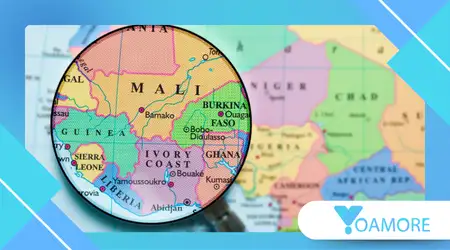
Malis strategische Lage ermöglichte es dem Land, den lebenswichtigen Niger zu kontrollieren. Durch die Sicherung des Wasserzugangs gewährleistete das Reich einen effizienten Transport von Gütern, Truppen und die Kommunikation in der weitläufigen Sahelzone.
Sundiata Keita, der “Löwenkönig”, leitete dieses goldene Zeitalter ein, indem er das Volk der Soso besiegte. Sein militärisches Genie und seine Verwaltungsreformen legten den Grundstein für zukünftigen Wohlstand und kulturelle Vorherrschaft.
Professionelle Historiker weisen darauf hin, dass Malis Einfluss vom Atlantischen Ozean bis zum Adrar des Ifoghas reichte. Diese enorme Reichweite ermöglichte einen beispiellosen Austausch von Ideen, Religionen und Architekturstilen.
Wie konnte Mali die globalen Goldmärkte dominieren?
Der Afrikanisches Reich von Mali Sie fungierte als Hauptlieferant von Gold für den Mittelmeerraum. Die Kontrolle über die Minen von Bambuk und Bure sicherte eine nahezu unerschöpfliche Quelle an hochreinem Goldbarren.
Anstatt lediglich Rohstoffe zu verkaufen, führten die Herrscher Malis ausgeklügelte Steuersysteme ein. Sie belegten jede Ladung Salz oder Gold, die ins Reich gelangte, mit Steuern und stellten so sicher, dass die Staatskasse stets gut gefüllt blieb.
Salz wurde aufgrund seiner Notwendigkeit zur Konservierung von Lebensmitteln oft so hoch geschätzt wie Gold. Mali kontrollierte die nördlichen Handelsrouten und monopolisierte so faktisch das für das Überleben in tropischen Klimazonen unerlässliche “weiße Gold”.
Diese wirtschaftliche Dualität schuf ein widerstandsfähiges Finanzsystem. Während Europa im Mittelalter mit Schwierigkeiten zu kämpfen hatte, erlebte Mali eine Zeit immenser Überschüsse, die ehrgeizige Infrastrukturprojekte finanzierten und seinen wissenschaftlichen Einflussbereich ausweiteten.
Strategische Allianzen mit Berberhändlern festigten diese Vormachtstellung zusätzlich. Indem sie Karawanen einen sicheren Durchgang gewährten, stellten die Kaiser sicher, dass Timbuktu das wichtigste Zentrum für den transsaharischen Handel und den intellektuellen Austausch blieb.
+ Der Tag, an dem der Mississippi rückwärts floss
Warum war Mansa Musa der reichste Mensch der Geschichte?
Die Regierungszeit von Mansa Musa (1312–1337) stellt den Höhepunkt der Afrikanisches Reich von Mali. Sein Vermögen war so gewaltig, dass es für heutige Ökonomen nahezu unmöglich ist, es in moderner Währung zu berechnen.
Seine Pilgerreise nach Mekka im Jahr 1324 gilt als das berühmteste Beispiel seines Reichtums. An der Spitze einer Karawane von 60.000 Mann verteilte er so viel Gold, dass er die ägyptische Wirtschaft zum Zusammenbruch brachte.
Diese legendäre Reise war nicht nur eine religiöse Mission, sondern auch eine meisterhafte Marketingstrategie. Sie rückte Mali auf die europäische Landkarte, insbesondere auf die... Katalanischer Atlas von 1375, als ein Land unendlicher Reichtümer.
Musa verstand, dass wahre Macht mehr als nur Gold erfordert. Er nutzte seinen Reichtum, um Architekten und Gelehrte aus der gesamten islamischen Welt anzuwerben und malische Städte in Zentren höherer Bildung zu verwandeln.
Durch Investitionen in Humankapital sicherte Musa, dass sein Vermächtnis seinen Goldschatz überdauern würde. Er erbaute die Djinguereber-Moschee, ein architektonisches Meisterwerk, das noch heute als Symbol des westafrikanischen islamischen Erbes steht.
Wirtschaftliche Indikatoren des Mali-Reiches
| Besonderheit | Beschreibung | Auswirkungen auf die moderne Wirtschaftswissenschaft |
| Primärwährung | Goldstaub, Salzblöcke und Kaurimuscheln. | Etablierte frühzeitig rohstoffbasierte Handelsstandards. |
| Schlüsselexport | Ungefähr 501.030 Tonnen des Goldvorrats der Alten Welt. | Beeinflusst die Münzprägung in Europa und dem Nahen Osten. |
| Wichtiger Verkehrsknotenpunkt | Timbuktu (Zentrum für Handel und Bildung). | Sie schufen einen Präzedenzfall für wissensbasierte Volkswirtschaften. |
| Steuersystem | Doppelbesteuerung von Importen und Exporten. | Frühes Modell für nationale Zollstrukturen. |
Welche Innovationen prägten das Goldene Zeitalter Malis?
Der Afrikanisches Reich von Mali Sie entwickelten einzigartige Architekturtechniken im sudanesisch-sahelischen Stil. Die Baumeister nutzten lokale Materialien wie Lehmziegel und Holzbalken, um in rauen Umgebungen massive, dauerhafte Bauwerke zu errichten.
Unter den späteren Mansas wurde Bildung zu einer staatlichen Priorität. Die Universität Sankore in Timbuktu beherbergte eine der größten Bibliotheken der Welt mit Tausenden von Manuskripten zu Wissenschaft und Recht.
Malis Rechtssystem war für seine Zeit bemerkenswert fortschrittlich. Reisende wie Ibn Battuta lobten das Reich für seine Sicherheit und bemerkten, dass ein alleinreisender Reisender Gold mit sich führen konnte, ohne Raub fürchten zu müssen.
Auch im Nigerdelta blühte die landwirtschaftliche Innovation auf. Die Bauern entwickelten Bewässerungstechniken, die eine große Bevölkerung ernährten und damit bewiesen, dass das Reich sich unabhängig von ausländischen Lebensmittelimporten selbst versorgen konnte.
Dieser ganzheitliche Ansatz der Regierungsführung – der Handel, Bildung und Sicherheit miteinander verbindet – ermöglichte es der Afrikanisches Reich von Mali Es gedeiht seit Jahrhunderten. Es ist auch heute noch ein Vorbild für den Aufbau einer ausgewogenen und prosperierenden Gesellschaft.
+ Die vergessene Pest vor dem Schwarzen Tod
Was führte zum Niedergang dieser Großmacht?

Interne Nachfolgestreitigkeiten schwächten schließlich die zentrale Autorität der Afrikanisches Reich von Mali. Ehrgeizige Fürsten kämpften oft um den Thron, was zu bürgerlicher Instabilität und zur Zersplitterung kleinerer Provinzen führte.
Der äußere Druck des aufstrebenden Songhai-Reiches führte zu einer weiteren Schwächung der Grenzen Malis. Mit der Ankunft portugiesischer Entdecker verlagerten sich die Handelsrouten in Richtung Küste, wodurch die transsaharischen Routen ihre strategische Bedeutung verloren.
Im 17. Jahrhundert war das einst mächtige Reich zu einem kleinen Mandinka-Königreich geschrumpft. Die in seiner Blütezeit gelegten kulturellen und religiösen Grundlagen prägten jedoch die westafrikanische Identität über Generationen hinweg.
Die Geschichte Malis lehrt uns die Instabilität rohstoffbasierter Volkswirtschaften. Ohne ständige Innovation und politische Einheit können selbst die reichsten Nationen den wechselnden Strömungen des Welthandels zum Opfer fallen.
Heute nutzen Forscher Satellitenbilder und linguistische Studien, um verschollene Siedlungen in Mali aufzudecken. Diese Bemühungen enthüllen eine komplexe städtische Zivilisation, die weitaus stärker vernetzt war, als westliche Historiker bisher angenommen hatten.
+ Der vergessene Krieg, der 38 Minuten dauerte
Lehren für moderne Fachkräfte aus dem Mali-Reich
Der Afrikanisches Reich von Mali Bietet wertvolle Einblicke für die digitalen Nomaden und Freiberufler von heute. Die Diversifizierung der Einkommensquellen, ähnlich wie im Gold- und Salzhandel Malis, ist für langfristige berufliche Stabilität unerlässlich.
Mansa Musas Fokus auf das “Branding” seines Imperiums unterstreicht die Bedeutung von Sichtbarkeit. In einem hart umkämpften Markt können qualitativ hochwertige Arbeit und strategisches Networking globale Chancen eröffnen.
Investitionen in lebenslanges Lernen, wie sie beispielsweise in den Bibliotheken von Timbuktu zu finden sind, sind nach wie vor der beste Weg, um relevant zu bleiben. Wissen ist ein übertragbares Gut, dessen Wert unabhängig von Konjunkturschwankungen oder Inflation steigt.
Darüber hinaus erinnert uns der Fokus des Imperiums auf Gerechtigkeit und Sicherheit daran, dass der berufliche Ruf von größter Bedeutung ist. Vertrauen zu Mandanten aufzubauen, sichert eine nachhaltige Karriere, die auf Integrität und Zuverlässigkeit beruht.
Indem wir diese historischen Größen studieren, können wir eine “Wachstumsorientierung” entwickeln, die sowohl materiellen Erfolg als auch intellektuelles Erbe wertschätzt. Malis Geschichte ermutigt uns, über kurzfristige Gewinne hinauszudenken und langfristige Wirkung zu erzielen.
Abschluss
Der Afrikanisches Reich von Mali Es war weit mehr als eine Ansammlung von Goldminen; es war eine hochentwickelte Zivilisation, die Bildung, Recht und internationalen Handel schätzte. Ihr Einfluss auf die Weltgeschichte ist unbestreitbar.
Von der militärischen Brillanz Sundiata Keitas bis zur legendären Großzügigkeit Mansa Musas verstanden es Malis Führungspersönlichkeiten, Ressourcen zum Wohle des Landes einzusetzen. Sie schufen eine Kultur, die Reichtum und Weisheit gleichermaßen wertschätzte.
Für heutige Leser dient das Reich als Erinnerung daran, dass Afrika seit jeher ein Zentrum für Innovation und Wirtschaftskraft war. Das Verständnis dieser Vergangenheit hilft uns, die Komplexität unseres globalen Erbes zu würdigen.
Im digitalen Zeitalter können wir uns von den Gelehrten Timbuktus und den widerstandsfähigen Händlern des Reiches inspirieren lassen. Ihr Erbe ermutigt uns, unsere eigenen Wissensimperien und nachhaltigen beruflichen Erfolg zu errichten.
Möchten Sie, dass ich für Ihr historisches Projekt spezifische archäologische Funde aus dem Mali-Reich recherchiere?
FAQ (Häufig gestellte Fragen)
Wie konnte das Mali-Reich so reich werden?
Das Imperium saß über den damals größten Goldvorkommen der Welt. Durch die Kontrolle der Handelsrouten zwischen der salzreichen Sahara und den goldreichen Wäldern erhoben sie Steuern auf alle durchreisenden Waren.
Ist Timbuktu ein realer Ort oder ein Mythos?
Timbuktu ist eine reale Stadt im heutigen Mali. Während der Blütezeit des Reiches war sie ein weltberühmtes Zentrum islamischer Gelehrsamkeit, in dem Tausende von Gelehrten und uralte, unschätzbare Manuskripte lebten.
Wer war der berühmteste Herrscher des afrikanischen Reiches Mali?
Mansa Musa ist der berühmteste Herrscher. Er gilt weithin als der reichste Mensch der Geschichte und ist bekannt für seine Pilgerreise nach Mekka im Jahr 1324, die Malis unglaublichen Reichtum zur Schau stellte.
Was führte zum Ende des Mali-Reiches?
Eine Kombination aus Bürgerkriegen um die Thronfolge, dem Aufstieg des rivalisierenden Songhai-Reiches und der Verlagerung des Handels hin zur Atlantikküste führte zu seinem allmählichen Niedergang und schließlich zum Zusammenbruch.
Gab es im Mali-Reich eine Schriftsprache?
Während sich das Reich stark auf die mündliche Überlieferung durch “Griots” (Historiker/Geschichtenerzähler) stützte, nutzten seine Gelehrtenzentren Arabisch für administrative, rechtliche und pädagogische Dokumente und bewahrten so ein umfangreiches schriftliches Archiv.