
Wie gemeinschaftliches Warten die Identität an Orten chronischer Verzögerungen prägt
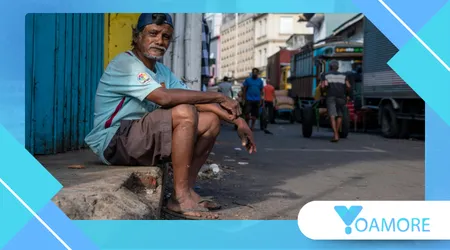
Gemeinsames Warten prägt die Identität an Orten chronischer Verzögerungen ist ein tiefgreifendes soziologisches Phänomen, das beschreibt, wie moderne Fachkräfte mit den Reibungsverlusten ineffizienter Infrastruktur umgehen.
Anzeigen
In den folgenden Abschnitten analysieren wir, wie gemeinsame Pausen Mikrokulturen unter digitalen Nomaden und Freiberuflern weltweit schaffen.
Die Erfahrung von Stagnation wirkt oft als Nährboden für neue soziale Strukturen und kollektive Resilienz. Wir werden die psychologischen Veränderungen, die Zunahme von “Wartezimmer-Netzwerken” und die wirtschaftlichen Auswirkungen chronischer Verzögerungen auf die moderne Arbeitswelt untersuchen.
Dieser Artikel bietet einen umfassenden Überblick darüber, wie diese erzwungenen Pausen den beruflichen Werdegang beeinflussen. Wir untersuchen das Zusammenspiel von Stadtplanung, beruflicher Geduld und der einzigartigen kulturellen Identität, die sich in Verkehrsknotenpunkten und bürokratischen Warteschlangen herausbildet.
Artikelzusammenfassung
- Einleitung: Der neue urbane Schmelztiegel
- Das Phänomen der chronischen Verzögerung als sozialen Architekten definieren.
- Der Übergang von individueller Frustration zu kollektiven Mikrokulturen.
- Was ist die Soziologie der gemeinsamen Stagnation in modernen Städten?
- Wie Infrastrukturausfälle “Nicht-Orte” sozialer Evolution schaffen.
- Die Aushöhlung traditioneller Barrieren in Umgebungen erzwungener Geduld.
- Wie wirkt sich chronische Verzögerung auf die berufliche Netzwerkbildung aus?
- Der Wandel von performativer Vernetzung hin zu organischen, vertrauensvollen Verbindungen.
- Gemeinsame Widrigkeiten als starker sozialer Kitt für die Arbeitskräfte von 2026.
- Globale Verzögerungsdynamik (Vergleichstabelle)
- Eine Aufschlüsselung der Wartezeiten und kulturellen Verhaltensweisen an globalen Verkehrsknotenpunkten.
- Warum ist die “Warteidentität” für Remote-Arbeiter so wichtig?
- Bekämpfung der Isolation durch spontane Gemeinschaftszugehörigkeit.
- Die Demokratisierung der Verzögerung: Wie Stagnation für Chancengleichheit im Berufsleben sorgt.
- Welche kulturellen Rituale entstehen in Umgebungen mit hoher Verzögerung?
- Von “Machtteilung” bis zu “Hotspot-Communities”: Die Rituale des digitalen Überlebens.
- Der Aufstieg des “Patientenexperten”-Menschenbildes an globalen Coworking- und Verkehrsknotenpunkten.
- Produktivität und der “Wartezimmereffekt”
- Nichtlineare Produktivität: Aufgabenbündelung und die Psychologie der Körperverdopplung.
- Die Umwandlung des Wartezimmers in ein funktionales Ökosystem mit geringer Vernetzung.
- Das psychologische Langzeitspiel: Infrastruktur-Empathie
- Entwicklung einer “Gefühllosigkeit” gegenüber Burnout und einer Toleranz gegenüber systemischer Ambiguität.
- Der langfristige Wert der “wartenden Identität” im interkulturellen Geschäftsleben.
- Strategisches Wachstum: Die Lücke nutzen
- Nutzung chronischer Verzögerungen für ungeskriptete Marktforschung und den Aufbau von sozialem Kapital.
- Fazit & Häufig gestellte Fragen
- Abschließende Synthese zum Thema “Gut abwarten” als Wettbewerbsvorteil auf dem Arbeitsmarkt 2026.
- Praktische Antworten auf häufige Bedenken hinsichtlich Datenschutz und Produktivität unterwegs.
Was ist die Soziologie der gemeinsamen Stagnation in modernen Städten?
Chronische Verzögerungen sind längst nicht mehr nur ein logistisches Problem, sondern ein fester Bestandteil des urbanen Lebens im 21. Jahrhundert. Von überfüllten Verkehrsknotenpunkten bis hin zu verzögerten Behördengängen – Warten ist zu einer alltäglichen Erfahrung geworden.
Anzeigen
Wenn Menschen stundenlang in einem Zustand der Untätigkeit zusammen sind, beginnen die üblichen sozialen Barrieren zu verschwimmen. Diese Umgebung fördert ein einzigartiges Zugehörigkeitsgefühl, das aus gemeinsamer Frustration und geteilten Herausforderungen entsteht.
Für die Freelancer-Community bedeuten diese Wartezeiten eine Störung des Prinzips “Zeit ist Geld”. Paradoxerweise führt diese gemeinsam verbrachte “verlorene Zeit” oft zu spontaner Zusammenarbeit und dem Austausch von spezialisiertem Fachwissen.
Die Identität in diesen Kreisen definiert sich nicht über die Berufsbezeichnung, sondern über die Reaktion auf die Verzögerung. Manche nutzen die Pause für tiefgründige Reflexion, andere die kollektive Energie zum Netzwerken.
+ Die kulturellen Codes von Menschen, die vor Tagesanbruch arbeiten
Wie wirkt sich chronische Verzögerung auf die berufliche Netzwerkbildung aus?
In der stressigen Welt des Homeoffice wirken traditionelle Networking-Veranstaltungen oft gezwungen. Im Gegenteil, Gemeinsames Warten prägt die Identität an Orten chronischer Verzögerungen indem die Künstlichkeit formeller Unternehmensvorstellungen beseitigt wird.
Wenn ein Flug sechs Stunden lang am Boden bleibt, wird der Sitznachbar zum Kameraden. Solche Momente der Verletzlichkeit ermöglichen authentischere Verbindungen als jede geplante LinkedIn-Nachricht.
Digitale Fachkräfte stellen oft fest, dass gemeinsam erlebte Schwierigkeiten ein starkes soziales Band knüpfen. Eine Verzögerung in einem Visabüro oder an einem Bahnhof auf dem Land schafft ein “temporäres Dorf” mit eigenen ungeschriebenen Regeln.
Diese Mikrokulturen entwickeln spezifische Sprachen und Rituale, wie das Teilen von Steckdosen oder das gegenseitige Aufpassen auf das Gepäck. Diese kleinen Vertrauensbeweise sind die Bausteine einer widerstandsfähigen beruflichen Identität.
Vergleich globaler “Wartezentren” und ihrer sozialen Auswirkungen (Daten 2025–2026)
| Standorttyp | Hauptursache der Verzögerung | Durchschnittliche Wartezeit (wöchentlich) | Dominante Mikrokultur |
| Tech Hub Transit (SF/London) | Alterung der Infrastruktur | 8,5 Stunden | Produktivität unter hohem Stress |
| Visa-Runs für Südostasien | Bürokratischer Bearbeitungsstau | 14,2 Stunden | Einfallsreicher Nomadismus |
| Europäische Eisenbahnkorridore | Energiewende | 6,1 Stunden | Stiller Intellektualismus |
| Lateinamerikanisches Coworking | Stabilität des Stromnetzes | 5,4 Stunden | Gemeinschaftliche Resilienz |
Warum ist die “Warteidentität” für Remote-Arbeiter so wichtig?
Fernarbeiter leiden oft unter Isolation, weshalb diese gemeinsamen Momente überraschend wohltuend wirken. Die gemeinsame Pause bestätigt ihren Kampf gegen die logistischen Hürden eines grenzenlosen, digital geprägten Berufswegs.
Ein Gefühl der “Festgefahrenheit” schafft gleiche Wettbewerbsbedingungen, sodass CEOs und Nachwuchsentwickler mit denselben Einschränkungen konfrontiert sind. Diese Demokratisierung von Verzögerungen fördert eine flachere soziale Hierarchie innerhalb der Remote-Work-Community.
Laut einer Studie zur urbanen Mobilität von London School of Economics, Die Art und Weise, wie wir uns in “Nicht-Orten” – wie Flughäfen oder Terminals – aufhalten, beeinflusst direkt unser psychisches Wohlbefinden und unsere soziale Anpassungsfähigkeit.
Wer sich als jemand präsentiert, der mit chronischen Verzögerungen umgehen kann, beweist seine Anpassungsfähigkeit. Diese Eigenschaft ist auf dem Arbeitsmarkt von 2026 hoch geschätzt, da Flexibilität wichtiger ist als starre Zeitpläne.
Welche kulturellen Rituale entstehen in Umgebungen mit hoher Verzögerung?

Wenn das Warten chronisch wird, entwickeln Gemeinschaften “Überlebensrituale”, die ihre Gruppenidentität prägen. Dazu gehören das gemeinsame Beobachten von Statusanzeigen und die gemeinschaftliche Nutzung mobiler Hotspots bei Stromausfällen.
Vielerorts entwickelt sich die lokale “Kaffeekultur” speziell um die Bedürfnisse des beruflich stark eingebundenen Menschen. Cafés werden zu inoffiziellen Hauptquartieren, in denen die Identität des “geduldigen Experten” sorgsam gepflegt und respektiert wird.
Diese Rituale vermitteln ein Gefühl der Selbstwirksamkeit in einer Situation, in der der Einzelne keine Kontrolle hat. Sie verwandeln eine passive Erfahrung in eine aktive Demonstration von Gemeinschaftssinn und beruflicher Stärke.
Das Verständnis dieser Rituale hilft digitalen Fachkräften, sich schneller in neue Regionen zu integrieren. Es ermöglicht ihnen, die subtilen sozialen Signale zu erkennen, die die Zugehörigkeit zur globalen Gemeinschaft resilienter, mobiler Arbeitskräfte signalisieren.
+ Warum in Balkan-Haushalten nie leere Stühle unbesetzt bleiben
Wie Gemeinsames Warten prägt die Identität an Orten chronischer Verzögerungen und Produktivität?
Produktivität wird oft als linearer Prozess betrachtet, doch chronische Verzögerungen erzwingen einen nicht-linearen Ansatz. Fachkräfte lernen, Aufgaben, die eine geringe Internetverbindung erfordern, während dieser unvermeidlichen Phasen des gemeinsamen Wartens zu bündeln.
Diese Anpassung wandelt die berufliche Identität vom “Uhrenbeobachter” zum “Kontextwechsler”. Die Fähigkeit, in einem überfüllten, lauten Terminal in einen Flow-Zustand zu gelangen, ist nun ein Ehrenzeichen.
Darüber hinaus kann die kollektive Atmosphäre in einem Wartezimmer die Konzentration durch die Art der Körperwahrnehmung sogar steigern. Zu sehen, wie andere trotz der Wartezeit fleißig arbeiten, schafft ein psychologisches Umfeld, das konzentriertes Arbeiten begünstigt.
Im Laufe des Jahres 2026 erweitert sich die Definition von “Arbeitsplatz” stetig. Die erfolgreichsten Freiberufler sind diejenigen, die das Wartezimmer als funktionales, soziales und produktives Ökosystem betrachten.
Welche langfristigen psychologischen Auswirkungen haben Wartezeit-Mikrokulturen?
Das Leben in einem Zustand ständiger, gemeinschaftlicher Ungewissheit kann zu einem verstärkten Fatalismus führen. Gleichzeitig fördert es aber auch eine besondere Form der “Infrastrukturempathie” bei Vielreisenden.
Diese Empathie führt zu besserer interkultureller Kommunikation und einem geduldigeren Umgang mit Geschäftsverhandlungen. Die “wartende Haltung” ist von Natur aus toleranter gegenüber Mehrdeutigkeit und systembedingten Fehlern, die außerhalb des eigenen Einflussbereichs liegen.
Mit der Zeit entwickeln diese Erfahrungen eine psychologische “Abhärtung”, die den Berufstätigen vor dem Burnout durch kleinere Unannehmlichkeiten schützt. Sie lernen, den Wert in den Pausen zwischen den Meilensteinen ihrer Karriere zu erkennen.
Das Ergebnis ist eine bodenständigere, realistischere berufliche Persönlichkeit. Diese Identität ist weniger auf die Perfektion externer Systeme angewiesen und konzentriert sich stärker auf innere Stabilität und soziale Unterstützungsnetzwerke.
+ Die Nachtwächter Südeuropas und ihre inoffiziellen Codes
Wie kann man gemeinsame Verzögerungen für die Karriereentwicklung nutzen?
Anstatt eine Verzögerung als Verlust zu betrachten, nutzen proaktive Fachleute sie als ungeskriptete Fokusgruppe. Der Austausch mit anderen in derselben Situation liefert unverfälschte Marktforschungsergebnisse aus verschiedenen Branchen.
Der sogenannte “Wartezimmereffekt” ermöglicht tiefgründige, ungestörte Gespräche, die in einer hypervernetzten Welt selten geworden sind. Diese Dialoge führen oft zu gemeinsamen Projekten, Empfehlungen und sogar langfristigen Geschäftspartnerschaften.
Um davon zu profitieren, muss man zugänglich und aufmerksam bleiben. Das Mitführen eines Buches oder die Verwendung eines bestimmten technischen Zubehörs kann in diesen temporären, auf Verzögerungen basierenden Mikrokulturen als Gesprächseinstieg dienen.
Letztendlich geht es darum, “ungenutzte Zeit” in “soziales Kapital” umzuwandeln. Dadurch stärken Sie Ihre Identität als vielseitiger Profi, der unabhängig von geografischen oder logistischen Einschränkungen erfolgreich ist.
Abschluss
Die Entwicklung der beruflichen Identität ist zunehmend damit verknüpft, wie wir die Zeit zwischen unseren Reisezielen nutzen. Da die Infrastruktur mit der globalen Mobilität kaum Schritt halten kann, wird die Fähigkeit, “gut zu warten”, zu einer unverzichtbaren Kompetenz.
Gemeinsames Warten prägt die Identität an Orten chronischer Verzögerungen durch die Förderung von Resilienz, Empathie und unerwarteten sozialen Bindungen, die das Freelancer-Ökosystem stärken.
Wenn wir diese Momente bewusst wahrnehmen, können wir aus dem hektischen Wettlauf um Effizienz ausbrechen und uns wieder mit dem menschlichen Aspekt unserer Arbeit verbinden.
FAQ (Häufig gestellte Fragen)
1. Kann chronische Verzögerung meine beruflichen Fähigkeiten tatsächlich verbessern?
Ja, es fördert “Soft Skills” wie Anpassungsfähigkeit, Geduld und Situationsbewusstsein. Außerdem lehrt es, die eigene Energie und Konzentration in weniger idealen Umgebungen zu steuern, was für den langfristigen Erfolg als Freiberufler unerlässlich ist.
2. Wie kann ich während des gemeinsamen Wartens produktiv bleiben, ohne auszubrennen?
Konzentrieren Sie sich auf weniger anstrengende Aufgaben wie das Organisieren Ihres Posteingangs, das Lesen von Branchenberichten oder das Knüpfen von Kontakten mit Ihrem Umfeld. Vermeiden Sie es, sich zu intensiver kreativer Arbeit zu zwingen, wenn die Umgebung zu chaotisch oder stressig ist.
3. Wie beginnt man am besten ein Gespräch in einer Umgebung mit hoher Latenz?
Bleiben Sie locker, indem Sie sich auf die gemeinsame Situation beziehen. Einfache Fragen zum neuesten Update oder die Nachfrage, ob jemand eine funktionierende Steckdose gefunden hat, sind unaufdringliche Möglichkeiten, das Eis zu brechen.
4. Ist die “Warteidentität” in jedem Land gleich?
Obwohl die grundlegende Erfahrung der Verzögerung universell ist, variiert die kulturelle Reaktion darauf. Manche Kulturen betonen stoisches Schweigen, während andere die Zeit für lebhaften, geselligen Austausch und gemeinsames Geschichtenerzählen nutzen.
5. Wie kann ich meine Privatsphäre beim Networking in öffentlichen Wartebereichen schützen?
Achten Sie auf Ihre Umgebung und vermeiden Sie die Weitergabe sensibler Finanz- oder persönlicher Daten. Konzentrieren Sie das Gespräch auf Branchentrends, allgemeine berufliche Erfahrungen und praktische Tipps anstatt auf spezifische Kundendetails.