
Wie sich Kleinstädte an saisonale Bevölkerungsschwankungen anpassen
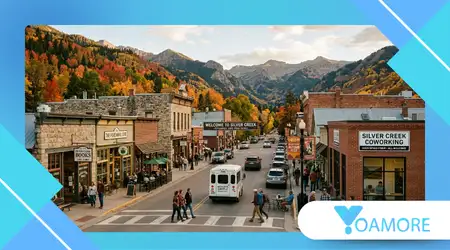
Die moderne digitale Wirtschaft hat verschlafene ländliche Außenposten still und leise in risikoreiche Labore für das Experiment der Fernarbeit verwandelt.
Anzeigen
Mit dem Verschwinden geografischer Barrieren sehen sich diese Gemeinschaften mit einem seltsamen, wiederkehrenden Paradoxon konfrontiert: dem saisonalen Anstieg der Infektionszahlen.
Die Bewältigung dieser Veränderungen erfordert mehr als nur zusätzliche Mülleimer oder ein paar zusätzliche Parkplätze. Es bedarf eines ausgeklügelten, fast schon chirurgischen Ansatzes im Infrastrukturbereich, um sicherzustellen, dass das lokale Leben nicht unter der Last seiner eigenen Popularität zusammenbricht.
Diese Untersuchung analysiert die Mechanismen, die es ermöglichen, eine Stadt zu vergrößern, ohne ihren Charakter zu zerstören. Wir betrachten die Daten von 2026, die Herausforderungen des Wohnungsmarktes und die digitalen Lebensadern, die diese Mikrokulturen davor bewahren, zu bloßen Museumsstücken zu verkommen.
Was ist eine saisonale Bevölkerungsschwankung und warum ist sie von Bedeutung?
Die saisonalen Bevölkerungsschwankungen sind im Wesentlichen der Herzschlag einer ländlichen Stadt, doch in letzter Zeit ist dieser Puls immer unregelmäßiger geworden.
Anzeigen
Für Mikrokulturen, die sich in den Bergen oder an der Küste verstecken, bestimmt dieser Rhythmus alles, von den Steuereinnahmen bis zur lokalen Stimmung.
Wenn die Schar der digitalen Nomaden zusammen mit traditionellen Urlaubern anreist, grenzt die Belastung der grundlegenden Infrastruktur oft ans Katastrophenrisiko.
Ein Wassersystem, das für ein paar tausend ruhige Seelen ausgelegt ist, muss plötzlich den Durst von zehntausend konsumfreudigen Besuchern stillen.
Kleinstädte passen sich saisonalen Bevölkerungsschwankungen an indem die Infrastruktur wie Software behandelt wird – modular, skalierbar und bereit für einen plötzlichen Anstieg der Nutzerzahlen.
So wird sichergestellt, dass der ortsansässige freiberufliche Buchhalter nicht die Verbindung verliert, nur weil hundert Touristen beschlossen haben, 4K-Videos zu streamen.
Zukunftsorientierte Kommunen haben das Rätselraten hinter sich gelassen und stützen sich nun auf anonymisierte Mobilfunkdaten und Buchungstrends, um die bevorstehende “Invasion” zu kartieren. Es ist ein Ressourcenschachspiel, das mit Polizeistreifen und Müllabfuhrplänen gespielt wird.
Dieser Wandel trägt dazu bei, den alten, schmerzhaften “Boom-and-Bust”-Zyklus zu beenden, der früher dazu führte, dass Städte bis November völlig ausgehöhlt waren.
Indem sie diese Unebenheiten ausgleichen, schaffen sie ein vorhersehbares, professionelles Umfeld, das tatsächlich eine Karriere unterstützt und nicht nur eine Reise.
Wie beeinflussen Trends zur Fernarbeit die ländliche Infrastruktur?
Die “Workation” hat das alte Tourismusmodell grundlegend verändert und dreitägige Wochenendausflüge durch Aufenthalte von Berufstätigen für ein ganzes Quartal ersetzt.
Diese Veränderung bedeutet, dass eine Stadt nicht mehr von Charme und billigen Souvenirs leben kann; sie braucht industrielle Leistungsfähigkeit.
Zuverlässige Glasfaserverbindungen sind im Jahr 2026 bereits die buchstäbliche Überlebensgrundlage und werden in manchen abgelegenen Technologiezentren oft höher priorisiert als befestigte Straßen.
Städte investieren massiv in den Ausbau des kommunalen Breitbandnetzes, um einer “Bandbreitenarmut” während des Sommeransturms vorzubeugen.
Öffentliche Räume erleben eine stille Revolution: Verstaubte Gemeindehallen werden entkernt und zu leistungsstarken Coworking-Oasen umgebaut.
Diese Hubs fungieren als Druckventil und halten den hohen Datenverkehr von den empfindlichen WLAN-Netzen in Privathaushalten fern.
Der Nationaler Verband der Landkreise hat dokumentiert, wie diese ländlichen Regionen Bundesmittel zum Aufbau digitaler Resilienz umwidmen.
Es handelt sich um einen kalkulierten Schritt, um die berufliche Gesundheit der langjährigen Bewohner und der Neuankömmlinge zu schützen.
Welche Strategien erhalten den sozialen Zusammenhalt während der Hochsaison aufrecht?
Soziale Reibungen sind der stille Killer des Kleinstadtcharmes, oft ausgelöst, wenn ein Neuankömmling eine eng verbundene Gemeinschaft wie einen Vergnügungspark behandelt.
Anpassung ist daher ebenso sehr eine Frage der Psychologie und des Sozialdesigns wie der Logistik oder der Rohrleitungen.
Innovative Städte verzichten auf Hochglanzbroschüren und setzen stattdessen auf “Integrations-Apps”, die als digitaler Handschlag zwischen der lokalen Kultur und dem Besucher fungieren.
Diese Hilfsmittel helfen den Menschen, nachhaltige Gewohnheiten zu entwickeln und, was noch wichtiger ist, in die Läden lokaler Kunsthandwerker zu gelangen.
Kleinstädte passen sich saisonalen Bevölkerungsschwankungen an indem die “temporäre” Menge in den demokratischen Prozess einbezogen wird, anstatt sie auf Distanz zu halten.
Die Einbeziehung von Nomaden in Bürgerversammlungen verändert deren Perspektive von einem Konsumenten zu einem temporären Interessengruppenmitglied.
Wir beobachten einen Anstieg des sogenannten “Mikro-Volunteerings”, bei dem Kurzzeitbewohner ihre beruflichen Fähigkeiten lokalen gemeinnützigen Organisationen oder Naturschutzprojekten zur Verfügung stellen.
Dadurch wird eine saisonale Bevölkerungsbelastung effektiv in eine hochqualifizierte, anspruchsvolle Arbeitskraft für die Gemeinschaft umgewandelt.
Indem sie ihre einzigartige “Mikrokultur” noch weiter ausbauen, verhindern diese Städte, dass sie zu austauschbaren, seelenlosen Zentren werden.
Authentizität ist die einzige Währung, die nicht an Wert verliert, wenn die Stadt überfüllt ist; sie ist es, die die richtigen Leute immer wieder zurückkommen lässt.
+ Die Nachtwächter Südeuropas und ihre inoffiziellen Codes
Auswirkungen von Bevölkerungsschwankungen in der Praxis (Daten 2025-2026)
| Metrisch | Nebensaison (Durchschnitt) | Hauptsaison (Durchschnitt) | Anpassungsstrategie |
| Internet-Latenz | 15 ms | 45 ms | Ausbau des städtischen Glasfasernetzes |
| Wohnungsfrei | 22% | 2% | Saisonale Mietobergrenzen |
| Einnahmen lokaler Unternehmen | Base | +140% | Diverse Veranstaltungen außerhalb der Saison |
| Nutzung öffentlicher Verkehrsmittel | Niedrig | Sehr hoch | Shuttle-Service auf Abruf |
| Abfallerzeugung | 1,2 Tonnen/Tag | 4,8 Tonnen/Tag | Intelligente Mülltonnenüberwachung |
Wie unterstützt eine flexible Wohnungspolitik lokale Arbeitnehmer?
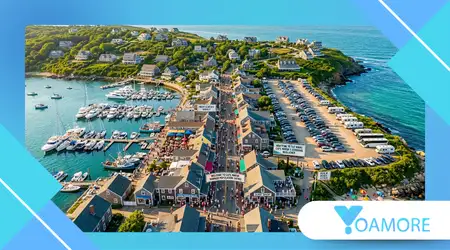
Das Eintreffen der gut verdienenden, aus der Ferne lebenden Klasse fühlt sich oft wie eine wirtschaftliche Flutwelle an, die droht, die einheimischen Arbeitskräfte wegzuspülen.
Um dem entgegenzuwirken, gehen Städte mit Bebauungsgesetzen, die den Menschen Vorrang vor kurzfristigen Gewinnen einräumen, aggressiver vor.
“Es entstehen sogenannte ”Live-Work“-Viertel, in denen Immobilieneigentümer Steuervergünstigungen speziell für die Vermietung an ganzjährig ansässige Berufstätige erhalten.
Es handelt sich um eine defensive Maßnahme, um sicherzustellen, dass diejenigen, die die Stadt tatsächlich regieren, nicht von den Besuchern verdrängt werden.
Modulare Wohnformen – man denke an hochwertige Tiny Houses oder ausgeklügelte Containerwohnungen – bieten einen flexiblen Puffer für saisonales Dienstleistungspersonal.
Diese Einheiten können während der Stoßzeiten eingesetzt und wieder zurückgenommen werden, wenn die Stadt wieder in ihren natürlichen, ruhigen Zustand zurückkehrt.
Kleinstädte passen sich saisonalen Bevölkerungsschwankungen an indem sie der “Airbnb-isierung” ihrer Wohnstraßen Einhalt gebieten.
Durch die Begrenzung der Anzahl der Übernachtungen in Kurzzeitvermietungen bewahren sie die ruhige Würde der Viertel, die die Besucher ja eigentlich genießen wollen.
+ Die sozialen Rituale gemeinsamer Mahlzeiten unter Fremden
Welche wirtschaftlichen Vorteile bietet eine ausgewogene Saisonstrategie?
Ein gesteuerter Bevölkerungszuwachs ist ein Finanzmotor, der – richtig eingesetzt – genau das finanziert, was das ländliche Leben nachhaltig macht. Dieser Kapitalzufluss ermöglicht den Bau von Kliniken und Parks, die sich die Stadt allein niemals leisten könnte.
Intelligente Städte diversifizieren ihr “Angebot”, um in den sogenannten “Nebensaisonen” unterschiedliche Zielgruppen anzusprechen.”
Sie positionieren die ruhigen Wintermonate als ideale Zeit für konzentriertes Arbeiten und zielen damit auf Schriftsteller und Entwickler ab, die sich nach Stille sehnen.
Es gibt einen zunehmenden Trend zur sogenannten “Sofortfinanzierung”, bei der ein Teil der Tourismusabgaben speziell für die Instandsetzung der Infrastruktur reserviert wird.
Dadurch wird sichergestellt, dass die Stadt nicht wie eine Baustelle aussieht, sobald der letzte Tourist im September abreist.
Lokale Unternehmer werden zu Meistern der Anpassung und verändern ihr gesamtes Geschäftsmodell mit dem Wechsel der Jahreszeiten.
Der Kajakverleih am Seeufer könnte sich in ein gemütliches, dynamisches Coworking-Café verwandeln, sobald der erste Frost den Boden berührt.
+ Wie gemeinschaftliches Warten die Identität an Orten chronischer Verzögerungen prägt
Wenn Technologie auf ländliche Tradition trifft: Der Ausblick 2026
Das Überleben des ländlichen Lebens hängt heute von einer seltsamen Verbindung zwischen hoher technischer Effizienz und althergebrachten Gemeinschaftswerten ab.
Wir erleben, wie die Automatisierung die alltäglichen Aufgaben der Kommunalverwaltung übernimmt, sodass sich die Menschen auf das eigentliche soziale Gefüge konzentrieren können.
Künstliche Intelligenz ist hier kein Modewort mehr, sondern das Werkzeug, mit dem der Verkehrsfluss in Städten gesteuert wird, die für Pferdekutschen ausgelegt sind.
Diese Technologie sorgt für einen reibungslosen Verkehrsfluss auf der Hauptstraße und mindert den unterschwelligen Unmut der Anwohner, die keinen Parkplatz finden.
Kleinstädte passen sich saisonalen Bevölkerungsschwankungen an indem sie beweisen, dass “Slow Living” nicht zwangsläufig “Langsame Technologie” bedeuten muss.”
Dieses Gleichgewicht macht diese Gegenden zum ultimativen Zufluchtsort für den Berufstätigen von 2026, der die Stadt satt hat, aber ihre Dynamik braucht.
Erfolg in dieser neuen Ära bedeutet nicht, den Wandel aufzuhalten, sondern zu lernen, wie man bessere Lösungen findet. Stabilität liegt darin, diese Zyklen zu durchlaufen, ohne die Identität zu verlieren, die den Ort einst sehenswert machte.
Um einen tieferen Einblick in die Entwicklung der ländlichen Gesetzgebung zur Bewältigung dieser Herausforderungen zu erhalten, ... Institut für ländliche Politikforschung liefert wichtige Daten zum Zusammenspiel von Politik und kommunaler Gesundheit.
Eine abschließende Betrachtung
Die Anpassung an diese massiven Bevölkerungsschwankungen ist eine andauernde, schwierige und notwendige Entwicklung für die moderne Kleinstadt.
Indem diese Gemeinden der lokalen Widerstandsfähigkeit Vorrang vor kurzfristigen Tourismuseinnahmen einräumen, schreiben sie die Regeln der ländlichen Wirtschaft neu.
Die Zukunft gehört den Orten, die ihre Dienstleistungen ausbauen können, ohne ihren Charakter zu verlieren. Für ortsunabhängige Berufstätige ist die Entscheidung, in diesen Städten zu leben und zu arbeiten, eine Einladung, etwas Nachhaltigeres als einen Urlaub mitzugestalten.
FAQ (Häufig gestellte Fragen)
Wie schaffen es Kleinstädte, das Internet schnell zu halten, wenn alle online sind?
Viele nutzen “Load Balancing”, das die Bandbreite so aufteilt, dass wichtige berufliche Aufgaben Vorrang vor gelegentlichem 4K-Streaming erhalten. Es geht darum, den digitalen “Verkehr” ähnlich wie eine Autobahn im Berufsverkehr zu steuern.
Steigen die Lebenshaltungskosten in diesen Städten immer an?
Die schleichende Preissteigerung stellt eine reale Bedrohung dar, weshalb Programme mit dem Ziel der Bevorzugung von Anwohnern immer häufiger eingesetzt werden. Diese Systeme nutzen lokale Ausweise, um faire Preise für Anwohner zu gewährleisten und sie vor überhöhten Preisen an der Kasse zu schützen.
Wie kann ein Freiberufler der Stadt, die er besucht, helfen?
Echte Integration beginnt damit, wo Sie Ihr Geld ausgeben und wie Sie mit der Natur umgehen. Vermeiden Sie die Lieferwagen großer Supermärkte und kaufen Sie im örtlichen Baumarkt oder auf dem Wochenmarkt ein, um den lokalen Multiplikatoreffekt zu erhalten.
Ist es schwierig, in einer Stadt mit hoher Bevölkerungsfluktuation eine Gemeinschaft zu finden?
Es erfordert zwar mehr Aufwand, aber die “Mikrokultur”-Bewegung hat dies durch lokale Slack-Kanäle und Gemeinschaftszentren erleichtert. Die meisten erfolgreichen Städte fördern diese Treffen aktiv, um aus Fremden vorübergehend Nachbarn zu machen.“