Die seltsame Geschichte der 5000 Jahre lang vergrabenen Zeitkapseln
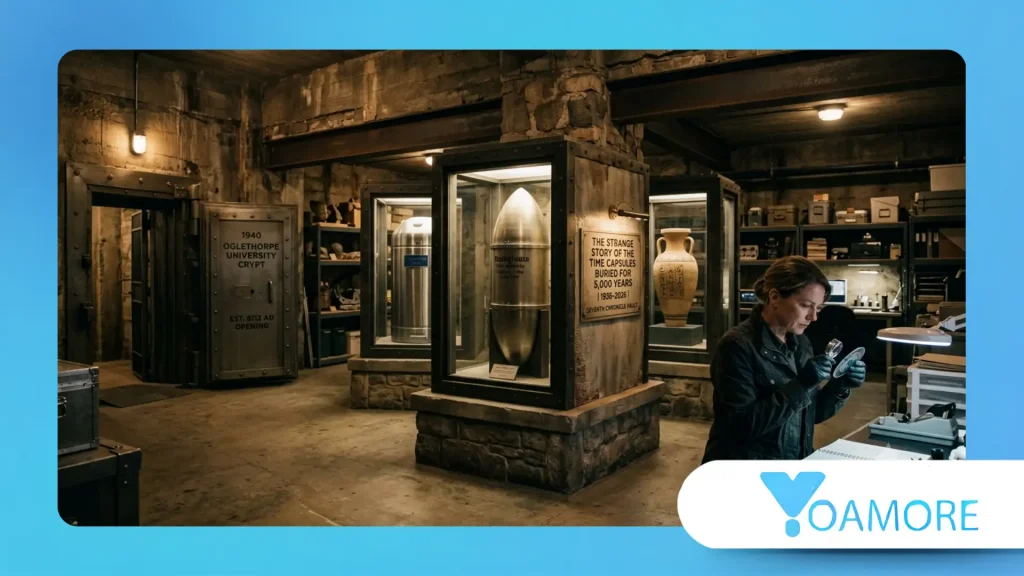
Der menschliche Impuls, über Jahrtausende hinweg zu schreien, führt in der Regel zu überkonstruierten Gewölben, die tektonischen Verschiebungen, dem Zusammenbruch der Gesellschaft und dem langsamen Verfall trotzen sollen.
Anzeigen
Es ist ein teures, fast verzweifeltes Wagnis, die Kluft zwischen unserem gegenwärtigen digitalen Rauschen und einer unvorhersehbaren Zukunft zu überbrücken.
Das Verständnis dessen, was wir hinterlassen, zwingt uns, uns der Fragilität unseres gegenwärtigen Erbes zu stellen.
Diese Erkundung beleuchtet die Mechanismen der antiken Konservierung, die moderne Faszination für unterirdische Gewölbe und die erschreckende technische Realität der Datenerhaltung.
Wir werden die ambitionierten Fehlschläge und Erfolge von Projekten wie der Krypta der Zivilisation und der industriellen Vermarktung von
Anzeigen
Westinghouse und moderne Tiefseearchive. Dabei werden wir untersuchen, warum herkömmliche Speichermethoden versagen und wie wir versuchen, Unsterblichkeit zu erzeugen.
Was ist die Krypta der Zivilisation?
Die Krypta der Zivilisation ist weniger ein rein wissenschaftliches Archiv als vielmehr ein massives, bewusst errichtetes Denkmal für die Ängste der Mitte des 20. Jahrhunderts.
Diese versiegelte, schwimmbadgroße Höhle, die auf dem Gelände der Oglethorpe University in Georgia errichtet wurde, birgt eine chaotische, faszinierende Momentaufnahme des Alltagslebens der 1930er Jahre.
Ihr Schöpfer, Dr. Thornwell Jacobs, war zutiefst frustriert darüber, wie viel Spekulation die Archäologie bei der Untersuchung von Orten wie dem alten Ägypten erfordert.
Ihm wurde klar, dass unsere eigene Geschichte wahrscheinlich in der gleichen Art von Mysterium aufgehen würde, wenn nicht jemand absichtlich die Tür zu einem Raum voller ungeschliffener Artefakte aus dem 20. Jahrhundert verschließen würde.
[1936: Konzept] ───► [1940: Versiegelung] ───► [8113 n. Chr.: Zielerreichung]Diese Erkenntnis brachte die Eine seltsame Geschichte über die 5.000 Jahre lang vergrabenen Zeitkapseln als ernsthafter, koordinierter Versuch, die Zeit anzuhalten.
Der Raum war mit schweren Emailleplatten ausgekleidet, vollgestopft mit Gegenständen von Schallplatten bis hin zu Schreibmaschinen, gefüllt mit reaktionsarmem Stickstoffgas und unter einer Edelstahltür verschweißt.
Wie funktioniert die 5000-Jahre-Zeitleiste?
Das angestrebte Eröffnungsdatum 8113 n. Chr. klingt nach Science-Fiction, basiert aber auf einer sehr spezifischen, fast poetischen chronologischen Berechnung.
Jacobs berechnete, dass zwischen der Erfindung des ägyptischen Kalenders im Jahr 4241 v. Chr. und seiner Arbeit im Jahr 1936 genau 5177 Jahre vergangen waren.
4241 v. Chr. 1936 n. Chr. 8113 n. Chr. ◄──────┴───────────────────────────┴──────────────────────────┴──────► │◄───── 5.177 Jahre ───────►│◄───── 5.177 Jahre ───────►│Er wollte, dass sich die Krypta genau in der Mitte der Menschheitsgeschichte öffnet, vorausgesetzt, seine Generation befinde sich genau auf halbem Weg zwischen dem Anbruch der Zivilisation und ihrer fernen Zukunft.
Ein solcher Zeitplan erfordert ein erschreckendes Maß an strukturellem Vertrauen, insbesondere wenn es um Materialien wie frühe Kunststoffe geht, die sich zu einer pfützenartigen Suppe zersetzen können.
Um die unvermeidliche sprachliche Kluft zu überbrücken, enthält der Tresor einen mechanischen, handbetriebenen “Sprachintegrator”, der zukünftigen Entdeckern Englisch von Grund auf beibringen soll.
Es ist eine ernüchternde Erinnerung daran, dass Eine seltsame Geschichte über die 5.000 Jahre lang vergrabenen Zeitkapseln Es spielt nur dann eine Rolle, wenn die Personen, die sie finden, die Etiketten auch tatsächlich lesen können.
++ Der große Käseaufstand von 1766
Warum hat Westinghouse die ersten offiziellen Zeitkapseln hergestellt?
Die Westinghouse Company baute nicht einfach nur einen Tresor; sie prägte auch den Begriff “Zeitkapsel” als genialen PR-Gag für die Weltausstellung 1939 in New York.
Sie wollten etwas, das den industriellen Fortschritt verkörperte, also schmiedeten sie einen eleganten, sieben Fuß langen Torpedo aus einer speziellen, korrosionsbeständigen Kupferlegierung namens Cupaloy.
Sie versenkten diese Metallkugel fünfzig Fuß tief im Schlamm von Flushing Meadows und füllten sie mit Mikrofilmen, einer Nachricht von Albert Einstein und Alltagsgegenständen wie einer Schachtel Zigaretten.
Eine zweite Kapsel kam 1965 hinzu und schuf so ein vielschichtiges, unterirdisches Museum, das die rasante Entwicklung Amerikas in der Mitte des 20. Jahrhunderts dokumentiert.
Das Unternehmen ging sogar so weit, ein “Rekordbuch”zu Tausenden von Bibliotheken weltweit, komplett mit präzisen astronomischen Markierungen, die zukünftigen Generationen genau zeigen, wo sie graben sollen.“.
Diese umfassende Dokumentation gewährleistet die Eine seltsame Geschichte über die 5.000 Jahre lang vergrabenen Zeitkapseln Überdauert selbst dann, wenn die oberflächlichen Orientierungspunkte vollständig ausgelöscht werden.
++ Die ungeplante Odyssee: Erfolg durch unerwartete berufliche Wendepunkte
Welche Materialien können Jahrtausende überdauern?
Wenn Informationen fünftausend Jahre überdauern sollen, ist das Schlimmste, was man tun kann, auf moderne digitale Speicherinfrastruktur zu vertrauen.
Festplatten werden entmagnetisiert, USB-Sticks verlieren Ladung, und selbst hochwertiges Papier verrottet irgendwann oder bietet Kolonien gefräßiger Pilze einen idealen Nährboden.
Echte Archivbeständigkeit erreichen nur die Low-Tech- und die Inert-Materialien: Quarzglas, Borosilikatglas und hochstabile, korrosionsbeständige Metalllegierungen.
Die Daten müssen auf mikroskopischer Ebene physikalisch in diese Oberflächen eingraviert werden, wodurch die Notwendigkeit komplexer Software oder veralteter Betriebssysteme umgangen wird.
Die folgende Tabelle zeigt, wie sich bestimmte Materialien gegen die langsame, zerstörerische Reibung der Erdgeschichte bewähren:
++ Die Republik, die nur 55 Tage existierte
| Materialtyp | Geschätzte Lebensdauer | Primäre Degradationsrisiken | Häufiger Anwendungsfall für die Konservierung |
|---|---|---|---|
| Cupaloy-Legierung | Über 5000 Jahre | Elektrolytische Korrosion, tektonische Verschiebungen | Äußere Schutzhüllen |
| Quarzglas | Über 10.000 Jahre | Physikalische Einwirkungen, starker Temperaturschock | Mikrogeätzte Textdatenspeicherung |
| Borosilikatglas | Über 5000 Jahre | Hydrolytische Auslaugung, strukturelle Rissbildung | Innere Artefakt-Aufbewahrungsröhren |
| Säurefreies Papier | 500 – 1000 Jahre | Hohe Luftfeuchtigkeit, Pilzbefall, Säuregehalt | Standardmäßige historische Dokumentation |
Wann werden die modernen Tresore voraussichtlich geöffnet?
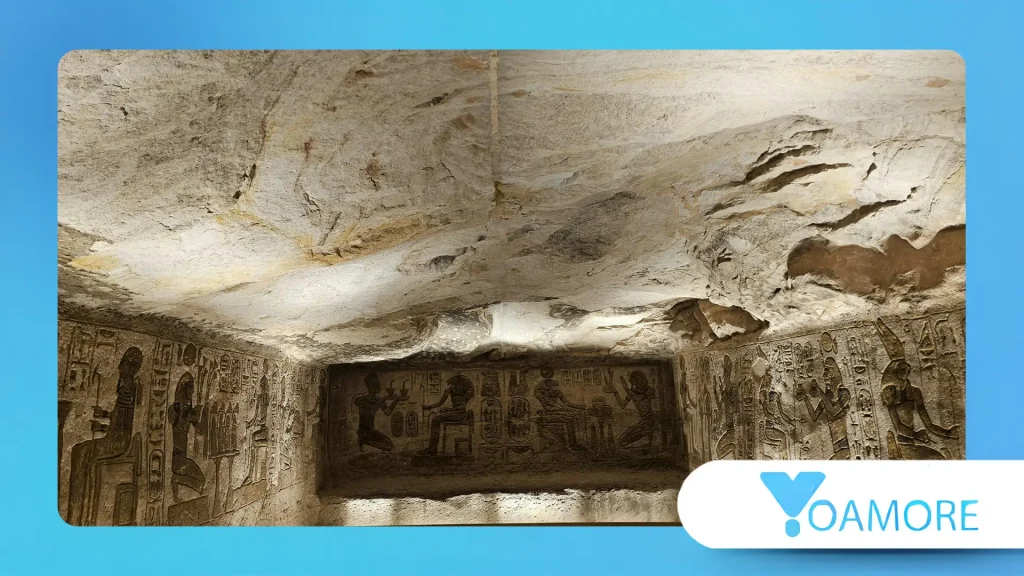
Im Gegensatz zu den starren zeremoniellen Zeitabläufen des 20. Jahrhunderts konzentrieren sich moderne Erhaltungsbemühungen auf ein offenes Überleben anstatt auf Effekthascherei für ferne Generationen.
Die heutigen Tresore sind tief im Inneren von Bergen gebaut und dienen als biologische und kulturelle Versicherung gegen einen planetaren Kollaps.
Der globale Saatgut-Tresor auf Spitzbergen in der abgelegenen Arktis bewahrt Millionen von Nutzpflanzensamen mithilfe des natürlichen Permafrosts, um deren Keimfähigkeit ohne menschliches Eingreifen zu erhalten.
Diese Einrichtung kümmert sich nicht um eine Eröffnungszeremonie; sie existiert, um die Landwirtschaft wiederzubeleben, falls morgen alles zusammenbricht.
Gleich um die Ecke nutzt das Arctic World Archive die gleiche gefrorene Sicherheitstechnik, um globales digitales Wissen auf extrem haltbarem, analogem Filmsubstrat zu speichern.
Indem man von willkürlichen Jahrestagen abrückt, Eine seltsame Geschichte über die 5.000 Jahre lang vergrabenen Zeitkapseln hat sich in einen funktionalen Entwurf für die Kontinuität der Menschheit verwandelt.
Was sind die größten Herausforderungen bei der Archivierung von Tiefenerde-Materialien?
Die mit Abstand größte Herausforderung bei der Bewahrung der Geschichte besteht nicht in der Kontrolle des chemischen Verfalls oder im Bau dicker Mauern, sondern in der Vorhersage der Entwicklung der menschlichen Sprache.
Eine Sprache kann sich innerhalb weniger Jahrhunderte bis zur Unkenntlichkeit verändern, was bedeutet, dass unsere heutigen Warnungen für zukünftige Entdecker wie sinnloses Gekritzel aussehen könnten.
Die Geologie ist ein weiterer unberechenbarer Feind, denn die Erde unter unseren Füßen faltet sich ständig, verschiebt sich und lässt Wasser durch Risse sickern.
Über Jahrtausende hinweg können selbst geringfügige seismische Erschütterungen ein verstärktes Gewölbe verformen oder eine vergrabene Kapsel wie eine Aluminiumdose zerdrücken.
Hinzu kommt das Problem des Gedächtnisses, denn institutionelles Wissen ist unglaublich fragil und verblasst schneller, als wir wahrhaben wollen.
Wenn die Karte zu einem Tresorraum während eines globalen Konflikts oder einer Wirtschaftskrise verloren geht, wird die Kapsel zu nichts anderem als einem vergrabenen Stein.
Chronologie der Projekte zur Erhaltung der menschlichen Existenz
Unsere Geschichte des Versuchs, die Zeit zu überlisten, zeigt einen klaren Wandel von religiösen Denkmälern hin zu hochtechnischen unterirdischen Informationsspeichern.
Wir haben uns von der Beisetzung von Schätzen in Pharaonengräbern hin zur Mikroätzung ganzer Bibliotheken auf unzerstörbare Glasscheiben entwickelt.
Antike Kulturen nutzten die trockene Wüstenluft und massive Steinbauten, um ihre Aufzeichnungen vor den Elementen zu schützen.
Moderne Projekte nutzen Tiefbautechnik, fortschrittliche Metallurgie und ausgeklügelte chemische Dichtungen, um die Daten vollständig von der Biosphäre zu isolieren.
Wir schicken sogar Archive ins Weltall und senden so Spuren menschlicher Kultur in permanente Umlaufbahnen um die Sonne, wo die Geologie sie nicht berühren kann.
Der Eine seltsame Geschichte über die 5.000 Jahre lang vergrabenen Zeitkapseln ist offiziell vom dunklen Schlamm ins Vakuum des Weltraums gewandert.
Dem Drift der Zeit widerstehen
Unsere Besessenheit von Langzeit-Zeitkapseln offenbart ein tiefes, verletzliches Bedürfnis, zu beweisen, dass unsere kollektive Existenz tatsächlich von Bedeutung war.
Ob wir nun Metalltorpedos in den Boden rammen oder Daten in den arktischen Permafrost ritzen, wir versuchen, das Ende unserer Geschichte zu kontrollieren.
Die Gegenstände und Informationen, die wir jetzt zum Schutz auswählen, bilden die gesamte Grundlage dessen, was zukünftige Historiker über uns wissen.
Ein Vermächtnis zu hinterlassen erfordert mehr als nur Dinge zu vergraben; es verlangt, dass wir Dinge bauen, die robust genug sind, um die langsame, stille Erosion der Jahrhunderte zu überstehen.
Einen umfassenderen Einblick in die Verwaltung historischer Aufzeichnungen auf globaler Ebene bietet der Internationale Archivrat, der internationale Bemühungen zur Rettung gefährdeter Dokumente koordiniert.
Ein genauer Blick auf diese Langzeitprojekte zeigt, dass unsere gegenwärtige digitale Zivilisation zwar genial, aber erschreckend vergänglich ist.
Häufig gestellte Fragen
Was war die erste moderne Zeitkapsel, die jemals hergestellt wurde?
Die Krypta der Zivilisation an der Oglethorpe-Universität, deren Konzept 1936 entstand, gilt weithin als das erste wirklich moderne Zeitkapselprojekt.
Es leistete Pionierarbeit bei der Verwendung luftdichter, gasgefüllter Kammern zur wissenschaftlichen Konservierung der Alltagsgegenstände einer ganzen Kultur.
Warum wird in Zeitkapseln Stickstoffgas verwendet?
Sauerstoff ist der Feind der Konservierung, da er über lange Zeiträume Rost, Verfall und Bakterienwachstum fördert.
Durch die Verwendung von inertem Stickstoffgas werden diese chemischen Reaktionen gestoppt, wodurch der Inhalt quasi in der Zeit eingefroren wird.
Wie finden zukünftige Generationen vergrabene Zeitkapseln?
Die meisten Projekte basieren auf einer umfassenden Datenvervielfältigung, bei der Koordinaten und astronomische Karten an Hunderte von internationalen Bibliotheken und Universitäten gesendet werden.
Ziel ist es, sicherzustellen, dass der Ort in der schriftlichen Geschichte erhalten bleibt, selbst wenn oberirdische Markierungen verschwinden.
Können digitale Daten 5.000 Jahre unter der Erde überdauern?
Herkömmliche digitale Speichermedien wie USB-Sticks oder Festplatten verlieren innerhalb weniger Jahrzehnte an Leistung und Daten.
Um Jahrtausende überdauern zu können, müssen die Daten entweder wieder in analogen Text umgewandelt oder in stabile Quarzplatten mikrogeätzt werden.