
Der Niedergang der Hirtensprachen in sich wandelnden ländlichen Wirtschaften

Der stille Niedergang ländlicher Wirtschaften weltweit verändert nicht nur die Handelsrouten, sondern bringt auch die angestammten Stimmen nomadischer Gemeinschaften zum Schweigen.
Anzeigen
Da globale Märkte aggressiv in entlegene Gebiete vordringen, sind traditionelle Hirtensprachen einem raschen, strukturellen Verschwinden ausgesetzt.
Diese detaillierte Analyse untersucht, wie die Modernisierung des Finanzwesens mündliche Überlieferungen auflöst, warum das Klimachaos die Landflucht beschleunigt und was dies für unser kollektives Klimawissen bedeutet.
Wir zeigen außerdem auf, wie digitale Fachleute aktiv eingreifen können.
Die folgende Übersicht skizziert die wichtigsten Themenbereiche, die Ihnen als Leitfaden für Ihre Lektüre dieses dringlichen soziolinguistischen Wandels dienen sollen:
Anzeigen
- Die tiefgreifenden Spannungen zwischen moderner Marktexpansion und dem Überleben regionaler Sprachen.
- Wie klimabedingte Vertreibung die historische Kontinuität nomadischer Sprache unterbricht.
- Eine empirische Analyse der besonders gefährdeten Nomadensprachen auf mehreren Kontinenten.
- Strategische Einstiegspunkte für Remote-Tech-Mitarbeiter in Ökosysteme der digitalen Langzeitarchivierung.
Welcher Zusammenhang besteht zwischen wirtschaftlichen Veränderungen und den Sprachen von Hirtenvölkern?
Jahrhundertelang entwickelten Hirtengesellschaften messerscharfe, spezialisierte Fachsprachen, um sich in unwegsamem Gelände zurechtzufinden, verschiedene Viehrassen zu managen und subtile saisonale Veränderungen zu erfassen.
Die aggressive Kommerzialisierung ländlicher Gebiete zwingt jedoch jüngere Generationen dazu, die angestammten Weidegründe zu verlassen und sich der regulären Lohnarbeit zuzuwenden.
Wenn junge Menschen in städtische Zentren abwandern, gebietet das wirtschaftliche Überleben einen sofortigen Wechsel zu den vorherrschenden Landessprachen.
Folglich ist die regelmäßige Praxis des Einzigartigen Hirtensprachen stürzt ab und lässt die älteren Generationen als letzte Hüter komplexer mündlicher Überlieferungen isoliert zurück.
Darüber hinaus erfordert die unaufhaltsame digitale Expansion in den Schwellenländern absolute Beherrschung der gängigen Handelssprachen.
Digitale Bankdienstleistungen, Plattformen für ortsunabhängige Gig-Arbeit und E-Commerce-Netzwerke ignorieren Minderheitendialekte völlig und drängen diese Gemeinschaften systematisch in die wirtschaftliche Unsichtbarkeit.
Warum verschwinden Hirtensprachen in modernen ländlichen Wirtschaften?
Die strukturelle Umgestaltung der Agrarmärkte hin zu einer konzernorientierten, ertragreichen Agrarwirtschaft bleibt der Hauptauslöser für diesen unumkehrbaren kulturellen Verlust.
Staatlich gelenkte Landprivatisierungsprogramme blockieren regelmäßig historische Weidewege, wodurch der traditionelle nomadische Lebensstil praktisch nicht mehr aufrechtzuerhalten ist.
Mit dem Verschwinden dieser uralten Weidepraktiken verschwindet auch die hochspezifische Terminologie, die zur Entschlüsselung der Bodenbeschaffenheit, der lokalen Flora und des Tierverhaltens verwendet wurde.
Diese zu verlieren Hirtensprachen Das bedeutet, jahrhundertealte empirische ökologische Erkenntnisse zu verwerfen, die die moderne Klimawissenschaft dringend benötigt.
Noch schlimmer ist, dass die formalen Schulsysteme in Entwicklungsländern standardisierten nationalen Lehrplänen Vorrang vor regionalen einheimischen Dialekten einräumen.
Kinder, die in solchen Umgebungen aufwachsen, lernen schnell, ihre Muttersprache abzuwerten und sie als klares Hindernis für den beruflichen Aufstieg zu betrachten.
++ Warum manche Sprachen kein Wort für “Zeit” haben”
Wie beschleunigt der Klimawandel den Rückgang nomadischer Sprachen?
Schwere Umweltzerstörung wirkt heute als massiver, unabdingbarer Treiber erzwungener Migration und zerstört die Isolation, die einst abgelegene Gebiete schützte.
Mehrjährige Dürreperioden in Subsahara-Afrika vernichten ganze Herden und vertreiben vertriebene Hirten aus ihren angestammten Gebieten.
Bei ihrer Ankunft in überfüllten Stadträndern oder provisorischen Lagern müssen sich diese Flüchtlinge sofort an die Umgangssprache der Mehrheitsgesellschaft anpassen, um Zugang zu Nahrung, Wasser und medizinischer Versorgung zu erhalten.
Diese intensive, chaotische Assimilation zerstört vollständig die fragile Weitergabe von verletzlichem Wissen zwischen den Generationen. Hirtensprachen.
Um das wahre Ausmaß dieses sprachlichen Zusammenbruchs zu erfassen, müssen wir uns verifizierte Daten ansehen, die gefährdete Nomadengemeinschaften weltweit erfassen.
Die Tabelle unten zeigt den aktuellen Überlebensstatus mehrerer Sprachfamilien, die starkem wirtschaftlichem Druck ausgesetzt sind.
++ Der Niedergang der Fischerdorfdialekte in den Küstenregionen
| Sprachfamilie / Name | Primärregion | Geschätzte verbleibende Sprecherzahl (2026) | Hauptwirtschaftliche Bedrohung |
| Sámi-Dialekte (Verschiedene) | Nordskandinavien | Weniger als 30.000 | Industrieller Bergbau und moderne Forstwirtschaft |
| Maa (Maasai) | Ostafrika (Kenia/Tansania) | Rund 1.200.000 (Rückgang der städtischen Nutzung) | Landprivatisierung und Tourismusveränderungen |
| Nenzen | Sibirische Tundra, Russland | Ungefähr 22.000 | Ölförderung und Klimavertreibung |
| Tuvan | Südsibirien / Mongolei | Rund 280.000 | Urbanisierung und industrieller Wandel |
Für einen detaillierten Einblick in die globalen Muster der Sprachgefährdung und die kontinuierliche Beobachtung von Minderheitensprachengemeinschaften besuchen Sie die maßgebliche Website. UNESCO-Weltatlas der Sprachen um ihren neuesten interaktiven Datensatz zu erkunden.
Welche Strategien können digitale Fachleute nutzen, um pastorale Sprachen zu bewahren?
Die Sprachbewahrung hat sich offiziell aus den stillen Hallen der Universitätskeller und den dichten, ungelesenen akademischen Monographien befreit.
Heute verfügen unabhängige Entwickler, UX-Designer und Remote-Content-Ersteller über genau die technischen Werkzeuge, die sie benötigen, um lebendige Sprachrepositorien aufzubauen.
Durch die Entwicklung von leichtgewichtigen mobilen Apps, Offline-Übersetzungsmodellen und Open-Source-Audiowörterbüchern tragen digitale Arbeiter dazu bei, eine Brücke zwischen überliefertem Wissen und moderner Technologie zu schlagen.
Das Sammeln hochauflösender Gesangsproben gewährleistet, dass bedrohte Hirtensprachen Sichern Sie sich einen dauerhaften, online auffindbaren Speicherplatz.
Notiz: Ethische Dokumentation erfordert die aktive Zusammenarbeit mit Muttersprachlern, um sicherzustellen, dass die Gemeinschaften das Eigentum an ihrem geistigen Eigentum behalten.
Fernlernende Fachkräfte können auch lokalisierte Multimedia-Lernwerkzeuge entwickeln, die speziell auf indigene Gemeinschaftsschulen zugeschnitten sind.
Freiberufliche Illustratoren, Toningenieure und Instructional Designer arbeiten häufig über Zeitzonen hinweg zusammen, um lebendige Medien zu produzieren, die die Geschichte der Nomaden würdigen.
Wann wird sich der Verlust dieser Dialekte auf das globale ökologische Wissen auswirken?
Die Folgeerscheinungen dieses sprachlichen Zusammenbruchs beunruhigen bereits jetzt internationale Naturschutzorganisationen und Feldforscher gleichermaßen.
Die Vokabulare der Hirtenvölker enthalten hochpräzise, nicht katalogisierte Beschreibungen von Wetterindikatoren, botanischen Eigenschaften und dem Wanderverhalten von Wildtieren.
Wenn eine Gemeinschaft gezwungen wird, ihre Muttersprache aufzugeben, verschwinden diese hochgradig lokalisierten Umweltdaten für immer.
Schutz Hirtensprachen ist grundlegend mit der Kartierung der globalen Biodiversität und der Entwicklung realistischer Klimaanpassungskonzepte verbunden.
Globale Entscheidungsträger müssen den Erhalt von Sprachen von einem Nischenthema der Kultur zu einer zentralen Säule des Umweltschutzes erheben.
Die Verknüpfung indigener Terminologie mit westlicher Klimawissenschaft bietet hochpraktische, innovative Wege für den Umgang mit schwindenden natürlichen Ressourcen.
++ Warum sich der Trend zum Verschwinden von Dialekten weltweit beschleunigt
Überwindung des kulturellen Schweigens
Das stetige Verschwinden nomadischer Dialekte stellt einen systematischen Verlust menschlicher Widerstandsfähigkeit und ökologischer Weisheit dar.
Da sich verändernde ländliche Märkte immer weiter auflösen und traditionelle Lebensweisen zunehmend zersetzen, wird das aktive Eingreifen von Technologie zu unserem zuverlässigsten Mittel, um kulturelle Traditionen zu bewahren.
Durch die Umorientierung alltäglicher digitaler Fähigkeiten hin zur Archivierung können Remote-Mitarbeiter wirkungsvolle, alternative Karrierewege aufbauen.
Welche soziopolitischen Folgen hat der Verlust von Hirtensprachen?
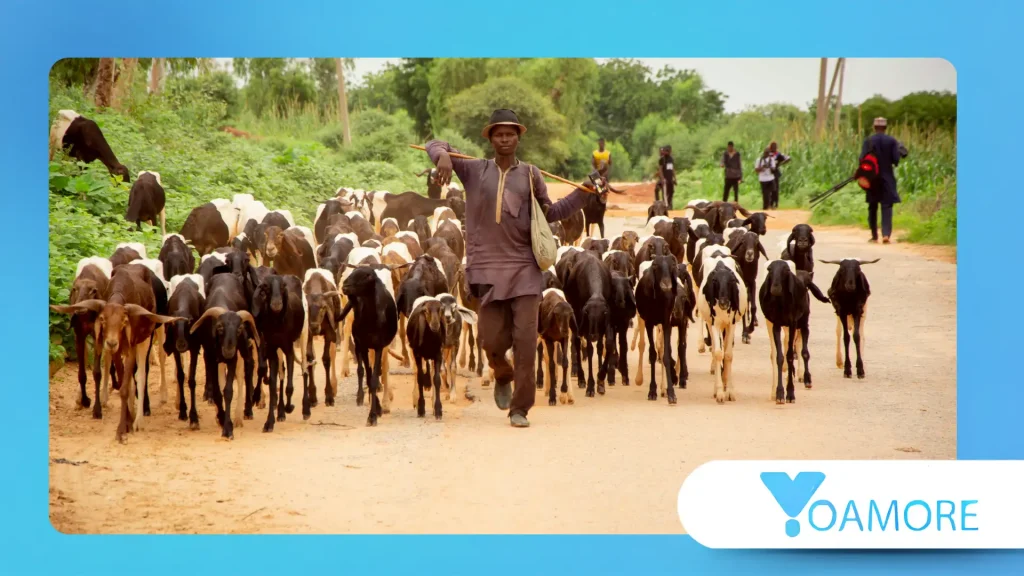
Wenn eine Minderheitengemeinschaft ihre Muttersprache verliert, geht der Verlust weit über den Wortschatz hinaus; er untergräbt systematisch ihren kollektiven rechtlichen und politischen Einfluss.
In vielen Entwicklungsländern sind territoriale Landansprüche eng mit der historischen Besiedlung verbunden, die durch überlieferte Ortsnamen und mündliche Grenzziehungen belegt wird.
Ohne ihre ausgeprägte sprachliche Identität fällt es marginalisierten Hirten zunehmend schwer, sich staatlich geförderter Vertreibung oder der Ausbeutung von Ressourcen durch Konzerne zu widersetzen.
Das Verschwinden dieser Dialekte bringt ihre politische Stimme effektiv zum Schweigen und macht sie anfällig für rechtlichen Wahlrechtsentzug und Zwangsassimilation.
Welchen Einfluss haben moderne Bank- und Fintech-Plattformen auf nomadische Gemeinschaften?
Die rasante Ausbreitung des mobilen Bankwesens und digitaler Mikrokredite in ländlichen Gebieten schafft ein unerwartetes wirtschaftliches Paradoxon für traditionelle Hirten.
Während finanzielle Inklusion neue Marktchancen eröffnet, funktionieren diese proprietären Fintech-Tools ausschließlich in den dominanten nationalen oder kolonialen Sprachen.
Um Transaktionen abzuwickeln, Vorräte zu kaufen oder Marktpreise zu überprüfen, müssen jüngere Viehzüchter täglich mit standardisierten digitalen Schnittstellen interagieren.
Diese ständige Interaktion erzeugt einen starken wirtschaftlichen Druck, der regionale Dialekte subtil verdrängt und die Übernahme von Unternehmenssprachen beschleunigt.
Welche Bildungsmodelle wirken dem Verfall der ländlichen Sprache erfolgreich entgegen?
Um diesen sprachlichen Niedergang umzukehren, bedarf es einer kompletten Überarbeitung der traditionellen, hierarchisch strukturierten Schulsysteme hin zu einer muttersprachlichen, mehrsprachigen Bildung.
Erfolgreiche, von der Gemeinschaft getragene Programme integrieren überlieferte Weidezeiten mit flexiblen, lokal angepassten Alphabetisierungsmodulen, die den traditionellen nomadischen Lebensstil respektieren, anstatt ihn zu bestrafen.
Durch den Einsatz zweisprachiger Lehrbücher und die Einbindung lokaler älterer Geschichtenerzähler tragen diese alternativen Schulen dazu bei, das kulturelle Erbe der Gemeinschaft im formalen Unterricht zu festigen.
Dieser Ansatz beweist den jüngeren Generationen auf effektive Weise, dass ihre Muttersprache einen echten intellektuellen und modernen sozioökonomischen Wert besitzt.
Wo können Data Scientists, die remote arbeiten, Datensätze zur Spracherhaltung finden?
Für IT-Experten, die Modelle des maschinellen Lernens für bedrohte Sprachen entwickeln möchten, ist der Zugang zu sauberen, ethisch einwandfrei gewonnenen Sprachdaten von entscheidender Bedeutung.
Open-Source-Plattformen, Archive der digitalen Geisteswissenschaften und globale akademische Netzwerke hosten aktiv von der Community geprüfte Audiokorpora und grammatikalische Metadaten.
Die direkte Zusammenarbeit mit diesen Repositorien ermöglicht es Dateningenieuren, Sprachmodelle zu trainieren, ohne dabei indigene geistige Eigentumsrechte zu verletzen.
Diese digitalen Knotenpunkte dienen weltweit als wichtigstes Bindeglied zwischen fortgeschrittener Computerlinguistik und gefährdeten mündlichen Überlieferungen.
FAQ (Häufig gestellte Fragen)
Was kennzeichnet eine Sprache als Hirtensprache?
Hierbei handelt es sich um hochspezialisierte Sprachen oder Dialekte, die von Hirtengesellschaften entwickelt wurden und reich an umwelt-, landwirtschafts- und viehspezifischer Terminologie sind.
Warum werden diese Dialekte durch die rasante Landflucht so schnell zerstört?
Städte funktionieren nach standardisierten Sprachmodellen, was neu zuziehende Hirten zwingt, ihre Muttersprache aufzugeben, um Arbeit zu finden und sich in der städtischen Infrastruktur zurechtzufinden.
Können Softwarealgorithmen das Aussterben von Sprachen wirklich verhindern?
Die Software bewahrt Strukturdaten, Audiosyntax und Vokabular, aber das langfristige Überleben hängt davon ab, dass einheimische Gemeinschaften die Sprache aktiv und täglich sprechen.
Wie profitieren freiberufliche Fachleute von diesen Denkmalschutzprojekten?
Freiberufler finden bezahlte Aufträge bei globalen NGOs, Forschungsstiftungen und EdTech-Unternehmen, die sich der kulturellen Dokumentation und Lokalisierung widmen.