
Die stillen Hierarchien von Gemeinschaftsreparaturwerkstätten
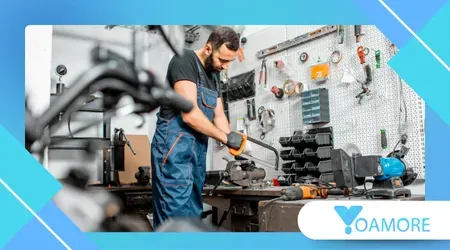
Der Stille Hierarchien von Gemeinschaftsreparaturwerkstätten definieren, wie moderne lokale Kollektive den Austausch von technischem Wissen ohne die starren Strukturen traditioneller Unternehmensumgebungen oder Berufsschulen gestalten.
Anzeigen
Diese Basisbewegungen haben sich von einfachen Hobbytreffen zu etwas viel Komplexerem entwickelt: zu ausgefeilten Zentren für kognitive Erholung und die Förderung der Kreislaufwirtschaft für die digitale Arbeitswelt.
Diese Untersuchung befasst sich eingehend mit den inneren Reibungspunkten und Dynamiken dieser Bereiche und analysiert, wie Expertise den sozialen Status bestimmt und warum die Bewegung für das Recht auf Reparatur heute eine Strategie des beruflichen Überlebens darstellt.
Zusammenfassung
- Definition der Hierarchie: Wie Können und nicht Titel die Werkstatt prägt.
- Der Kompetenzaustausch: Warum die körperliche Regeneration als eine Art kognitiver “Neustart” auf hohem Niveau dient.”
- Nachhaltigkeitsdaten: Die nüchternen, harten Kennzahlen zur Abfallreduzierung im Jahr 2026.
- Die globalen Auswirkungen: Reparierbarkeit als Kernkompetenz für Freiberufler positionieren.
Welche stillen Hierarchien gibt es in Gemeinschaftsreparaturwerkstätten?
In diesen unübersichtlichen, nach Lötkolben riechenden Umgebungen wird Autorität nicht durch ein Abzeichen verliehen, sondern durch geduldige, oft mühsame Beherrschung von Schaltkreisen und mechanischer Fehlersuche erworben.
Es entsteht eine subtile, fast unausgesprochene Spannung, wenn ein erfahrener Ingenieur einem Neuling beim Kampf mit einer abgenutzten Schraube zusieht; es ist ein Bereich, in dem Kompetenz ihre eigene Schwerkraft erzeugt.
Anzeigen
Für den im Homeoffice arbeitenden Berufstätigen bieten diese Workshops ein bodenständiges, haptisches Gegengewicht zur Abstraktion der cloudbasierten Arbeit und verankern die digitale Angst in der Realität physischer Komponenten und Logik.
Der Stille Hierarchien von Gemeinschaftsreparaturwerkstätten Dies zeigt sich, wenn ein führender “Problemlöser” der Integrität einer langfristigen Reparatur den Vorrang vor der schnellen, Dopamin-getriebenen Befriedigung einer temporären Behebung gibt.
Im Gegensatz zu den künstlichen Karriereleitern in Konzernbüros funktionieren diese Räume nach dem Prinzip der reinen Leistungsgesellschaft, in der der effektivste Problemlöser die Führung übernimmt, unabhängig von seinem Status außerhalb der Werkstatt.
Warum sind Reparaturcafés im Jahr 2026 für Remote-Profis unerlässlich?
Da die Hardwarekosten explodieren und die “geplante Obsoleszenz” immer aggressiver wird, hat sich die Fähigkeit, die eigene Ausrüstung instand zu halten, von einem Nischenhobby zu einer finanziellen Notwendigkeit entwickelt.
Diese Treffpunkte fungieren als wichtiger “dritter Raum” und bieten die soziale Interaktion, die im Homeoffice fehlt und die für den Erhalt eines Gemeinschaftsgefühls in einer fragmentierten Wirtschaft unerlässlich ist.
Durch die Navigation der Stille Hierarchien von Gemeinschaftsreparaturwerkstätten, Fachleute lernen, die undurchsichtigen Systeme ihrer täglichen Arbeitsmittel zu durchschauen und so die Kontrolle über ihre digitale Infrastruktur zurückzugewinnen.
Dieser Schritt hin zu radikaler Selbstversorgung spiegelt einen umfassenderen Wandel bis 2026 hin zu “resilientem Freelancing” wider, bei dem die Senkung der Gemeinkosten und die Reduzierung von Elektroschrott als ausgeklügelter Geschäftsschritt gelten.
Wie funktioniert Expertenmentoring ohne formale Titel?
Wissenstransfer ist hier eine Übung in langsamer Beobachtung – ein gemeinschaftliches Vordringen in das Innere einer Maschine, wo der Experte die verborgene “Logik” des Versagens erklärt.
Die Hierarchie bleibt unauffällig, da sie auf gegenseitigem Respekt und nicht auf administrativer Durchsetzung beruht. Dadurch wirkt die Werkstatt zwar diszipliniert, ist aber dennoch auch für jemanden, der zum ersten Mal einen Schraubenzieher in der Hand hält, absolut zugänglich.
Mentoren wenden häufig einen sokratischen Ansatz an und drängen die Lernenden dazu, den Fehlerpunkt selbst zu identifizieren, wodurch eine einfache Reparatur zu einer tiefgreifenden Lektion in systemischem Denken und Geduld wird.
Innerhalb der Stille Hierarchien von Gemeinschaftsreparaturwerkstätten, Es herrscht eine ausgeprägte, stille Ehrfurcht vor denen, die in der Lage sind, “tote” Hardware wiederzubeleben, die die Hersteller offiziell aufgegeben oder auf die schwarze Liste gesetzt haben.
Dieses Modell lässt die alte Handwerkstradition wieder aufleben und aktualisiert sie für ein Hightech-Zeitalter, in dem die wertvollste Fähigkeit oft darin besteht, das zu erkennen, was andere als Müll betrachten.
++ Die Kultur der Menschen, die zwischen temporären Wohnsitzen leben
Welche Werkzeuge und Fähigkeiten werden in modernen Reparaturzentren am meisten geschätzt?
Aktuell begünstigt die Hierarchie diejenigen, die sich mit Mikrolöten auskennen und die proprietären Softwaresperren umgehen können, mit denen Marken ihre Ökosysteme abgrenzen und neue Käufe erzwingen.
Hochwertige Diagnoseverfahren, die einst das gut gehütete Geheimnis der Fabrikhallen waren, sind heute alltäglich. Digitale Mikroskope und Wärmebildkameras machen die unsichtbaren Wärmesignaturen von defekten Kondensatoren und kurzgeschlossenen Schienen sichtbar.
++ Die Mikrokultur der nächtlichen Nutzer öffentlicher Verkehrsmittel
| Reparaturkategorie | Durchschnittliche Erfolgsquote (2026) | Hauptherausforderung | Auswirkungen auf Freiberufler |
| Laptop/Tablet | 74% | Lötkomponenten | Verlängert die Gerätelebensdauer um 3+ Jahre |
| Ergonomische Peripheriegeräte | 89% | Mechanische Ermüdung | Reduzierte laufende Gemeinkosten |
| Smart-Home-Geräte | 62% | Firmware-Beschränkungen | Verbesserter Datenschutz im Arbeitsbereich |
| IoT-Sensoren | 81% | Energiemanagement | Verbesserte Heimbüroautomatisierung |
Wie beeinflussen diese Workshops das globale Recht auf Reparatur?
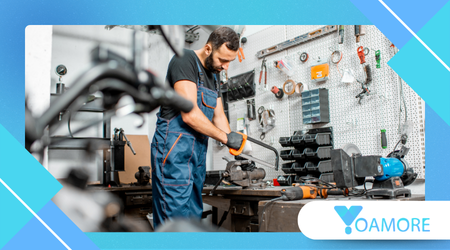
Durch die akribische Dokumentation jeder erfolgreichen Reparatur liefern diese Community-Zentren die Beweise, die nötig sind, um zu belegen, dass “nicht reparierbare” Geräte oft nur dazu bestimmt sind, aus Profitgründen entsorgt zu werden.
Sie dienen als dezentrale Labore für die Kreislaufwirtschaft und zeigen, dass die Langlebigkeit von Technologien eher eine Frage der Designentscheidung und des gemeinschaftlichen Willens als ein Mangel an Fähigkeiten ist.
Der organisierte Druck dieser Gruppen hat die Tech-Giganten gezwungen, “Selbstbedienungshandbücher” bereitzustellen, obwohl die Experten in diesen Workshops solche Gesten oft bestenfalls als reine Show empfinden.
Der Stille Hierarchien von Gemeinschaftsreparaturwerkstätten Sie spielen hier eine politische Rolle; die führenden Strippenzieher sind in der Regel diejenigen, die die technischen Gegendarstellungen entwerfen, die in den Anhörungen des Parlaments verwendet werden.
Ihre Expertise sorgt dafür, dass die Stimme des unabhängigen Arbeitnehmers in den Gremien gehört wird, in denen normalerweise die Lobbyisten der Hardwarebranche das Wort haben, und schützt das Recht, unsere Geräte zu besitzen.
++ Wie sich Kleinstädte an saisonale Bevölkerungsschwankungen anpassen
Wie sieht die Zukunft des Kompetenzaustauschs in Mikrokulturen aus?
Mit dem Aufkommen von Augmented Reality (AR)-Anleitungen wird es erfahrenen Reparaturfachleuten zunehmend möglich, ihr Fachwissen quasi zu “teleportieren”, wodurch sich die Hierarchie subtil verschiebt, während gleichzeitig der Wert einer ausgeprägten technischen Intuition erhalten bleibt.
Das bedeutet, dass ein Freiberufler in einem abgelegenen Außenposten nun auf die spezialisierten Augen eines erfahrenen Experten in einem Ballungszentrum zugreifen kann, wodurch die Kluft zwischen isolierter Arbeit und kollektivem Wissen überbrückt wird.
Doch trotz aller digitalen Hilfsmittel bleibt der Kern dieser Kultur die haptische, unordentliche Realität des physischen Eingriffs – das berauschende Gefühl eines erfolgreichen Neustarts nach einer komplexen Reparatur.
Der Stille Hierarchien von Gemeinschaftsreparaturwerkstätten werden zum Rückgrat einer neuen wirtschaftlichen Denkweise, die Einfallsreichtum und Langlebigkeit höher bewertet als den endlosen Kreislauf von Modernisierung und Entsorgung.
Indem sie sich jetzt in diesen Bereichen engagieren, reparieren digitale Fachkräfte nicht nur Geräte, sondern sichern ihre Karrieren für die Zukunft angesichts steigender Kosten und abnehmender technischer Freiheit.
Reparaturwerkstätten bieten etwas weitaus Bedeutenderes als einen reparierten Bildschirm; sie liefern einen Entwurf für eine widerstandsfähigere, weniger vergängliche Lebens- und Arbeitsweise.
Durch die Nutzung der stillen Autorität und der gemeinsamen Weisheit dieser Gruppen können Freiberufler die technische Autonomie erlangen, die sie benötigen, um erfolgreich zu sein, ohne von den Launen eines Herstellers abhängig zu sein.
Während wir uns durch die Komplexität des Jahres 2026 navigieren, wird die Unterscheidung zwischen einem Konsumenten und einem Schöpfer zunehmend davon abhängen, wer weiß, wie man den Fall öffnet und das Problem löst.
Seinen Platz darin finden Stille Hierarchien von Gemeinschaftsreparaturwerkstätten ist ein Schritt hin zu einer gefestigteren, selbstbestimmteren und nachhaltigeren beruflichen Identität in einer hyperdigitalen Welt.
Häufig gestellte Fragen
Ist es einschüchternd, ohne jegliche Vorkenntnisse einen Workshop zu besuchen?
Obwohl das Fachwissen hoch ist, basiert die Kultur auf gegenseitiger Hilfe; die Hierarchie dient dazu, das Lehren zu erleichtern, nicht um Neugierige oder Uneingeweihte auszuschließen.
Wie viel Geld kann ein Freiberufler tatsächlich sparen?
Durch die Verlängerung der Lebensdauer eines primären Arbeitsplatzes um nur zwei Jahre mittels kleinerer Reparaturen kann ein Fachmann Tausende an Investitionskosten sparen und Ausfallzeiten vermeiden.
Sind diese Workshops ausschließlich für Elektronik?
Die meisten dieser Hubs begannen mit Elektronikartikeln, haben ihr Angebot aber mittlerweile auf Möbel, Kleidung und hochwertige Werkzeuge ausgeweitet und spiegeln damit einen ganzheitlichen Ansatz für einen nachhaltigen, abfallarmen professionellen Lebensstil wider.
Was passiert, wenn ich mein Gerät weiter beschädige?
Das gehört zum Lernprozess dazu; Workshops bieten eine Art “Sandkasten”, in dem Risiken von Experten gemanagt werden, die jeden erdenklichen Fehler schon einmal gesehen und selbst gemacht haben.
Wo finde ich eine verifizierte Community?
Globale Netzwerke und lokale Verzeichnisse, wie zum Beispiel das Projektkarte neu starten, sind hervorragende Ausgangspunkte, um aktive, von Experten geleitete Reparatursitzungen in Ihrer Region zu finden.