La lógica cultural detrás de no felicitar a los niños en las zonas rurales de Turquía
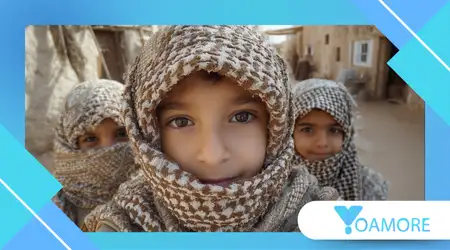
Desplazarse por culturas internacionales es una habilidad vital para los nómadas digitales modernos y los profesionales remotos. En el corazón de Anatolia, las interacciones sociales siguen reglas ancestrales que a menudo sorprenden a los viajeros occidentales.
Anuncios
Este artículo explora por qué el silencio suele ser la mayor protección. Examinamos el sistema de creencias "Nazar" y cómo influye en la crianza, la confianza comunitaria y la etiqueta profesional.
En esta guía, aprenderá a afrontar estas sensibilidades con elegancia. Comprender estas costumbres arraigadas le permitirá garantizar que su carrera internacional se mantenga respetuosa, auténtica y culturalmente inteligente en 2026.
Tabla de contenido resumida
- ¿Cuál es el concepto de Nazar? – Entendiendo el “mal de ojo” en la sociedad turca.
- Gestión de riesgos – Por qué el elogio directo se considera una amenaza espiritual para los niños.
- El escudo lingüístico – Cómo la palabra “Mashallah” funciona como protección.
- Símbolos protectores – Una tabla de datos de talismanes y rituales comunes.
- Implicaciones sociales – Cómo el silencio fomenta la armonía y la modestia en la comunidad.
- Etiqueta profesional – Cuándo y cómo los trabajadores remotos deben observar estas reglas.
- Crianza moderna – Cómo sobreviven las creencias tradicionales en la era digital.
- Sección de preguntas frecuentes – Respuestas prácticas a malentendidos culturales comunes.
¿Cuál es el concepto de Nazar en la sociedad turca?
El concepto de "Nazar" representa la creencia de que las miradas envidiosas o excesivamente positivas pueden causar daño involuntario. Esta antigua superstición sugiere que incluso los elogios bienintencionados pueden tener consecuencias espirituales negativas.
En las comunidades rurales de Anatolia, la gente considera la admiración pública como un imán potencial para la desgracia. En consecuencia, No felicitar a los niños en las zonas rurales de Turquía sirve como mecanismo de protección contra esta amenaza espiritual percibida.
Anuncios
No es la falta de afecto lo que impulsa este silencio, sino más bien un profundo deseo de proteger a los vulnerables. Los padres creen que el silencio protege a sus hijos de la envidia errante.
+ Miedo a fotografiar a recién nacidos en ciertas comunidades indígenas
¿Por qué se considera que el elogio directo es riesgoso para los niños?
Los elogios directos suelen interpretarse como una forma de atraer la mirada del destino. Cuando se dice que un niño es hermoso o inteligente, se le distingue, alterando así el equilibrio colectivo del pueblo.
La lógica local dicta que la atención excesiva crea un desequilibrio espiritual. Los residentes prefieren mantener en secreto sus logros para evitar atraer la atención de quienes podrían carecer de bendiciones o alegrías similares.
Este comportamiento es una forma sofisticada de gestión del riesgo social. No felicitar a los niños en las zonas rurales de Turquía, Los miembros de la comunidad demuestran su respeto por la paz de la familia y la salud continua del niño.
¿Cómo funciona la frase “Mashallah” como escudo?
Si alguien debe hacer un cumplido, invariablemente lo precede con la palabra “Mashallah”. Esta frase de origen árabe atribuye la belleza o el éxito a un poder superior, desviando la envidia personal.
El uso de este escudo lingüístico permite el reconocimiento social sin la percepción de peligro. Indica que el observador no tiene malas intenciones y reconoce la fuente divina del bienestar del niño.
Los profesionales digitales que trabajan con clientes turcos deben comprender estos matices. Comprender por qué la gente... No felicitar a los niños en las zonas rurales de Turquía evita malentendidos culturales durante videollamadas o visitas en persona.
+ Direcciones para dormir y destino: Por qué algunas culturas evitan mirar hacia el norte
¿Qué símbolos protectores se utilizan junto al silencio?
El Nazar Boncuğu Azul
El símbolo más famoso es el ojo de cristal azul, cuyo propósito es reflejar la mirada malévola hacia quien lo observa. A menudo se prende en la ropa de los niños para brindarles protección constante.
Vertido de plomo (Kurşun Dökme)
En algunas zonas rurales, los ancianos realizan rituales con plomo fundido para eliminar los efectos del mal de ojo. Esta práctica sigue siendo un referente cultural importante para muchas familias tradicionales.
Medidas de protección cultural
| Práctica | Objetivo | Contexto común |
| Nazar Boncuğu | Desviando la envidia | Prendido con alfileres en mantas o ropa de bebé |
| Escupir (simbólico) | Alejar el mal | Hecho después de un cumplido suave (Tu-tu-tu) |
| Silencio intencional | Previniendo la atracción | Evitar hablar públicamente sobre los logros |
| Mashallah | Protección Divina | Prefijo esencial para cualquier comentario positivo. |
¿Cuáles son las implicaciones sociales de no hacer cumplidos?

Este hábito cultural fomenta un ambiente modesto donde se reprime el ego individual en beneficio del grupo. Desalienta la vanidad y promueve un sentido de resiliencia compartida y discreta entre los vecinos.
Para quienes no lo conocen, esto puede confundirse con frialdad o falta de aprecio. Sin embargo, en realidad es una forma de cuidado profundamente arraigada que prioriza la seguridad del niño sobre los halagos momentáneos.
Practicando el arte de No felicitar a los niños en las zonas rurales de Turquía Ayuda a integrar a los forasteros. Demuestra que valoras la sabiduría local más que tus propios guiones sociales o hábitos occidentales.
¿Cuándo deben los profesionales remotos observar estas costumbres?
Si eres un profesional independiente que viaja por Anatolia, respetar estos límites es crucial para generar confianza. Respetar las supersticiones locales demuestra gran inteligencia cultural y madurez profesional en diversos entornos.
Al visitar una casa local, evite mirar fijamente a los bebés o hacer comentarios entusiastas sobre sus rasgos. En cambio, centre su conversación en la hospitalidad o el bienestar general de la familia.
Por No felicitar a los niños en las zonas rurales de Turquía, Te adaptas al ritmo local. Este sutil ajuste puede abrir puertas a relaciones profesionales más profundas e intercambios culturales más auténticos.
+ Por qué algunos pueblos del Himalaya se niegan a contar a sus niños en voz alta
¿Cómo influye esta creencia en la crianza moderna?
Incluso mientras Turquía se moderniza, estos valores rurales persisten en entornos urbanos a través de las abuelas y la familia extendida. Esto crea un estilo de crianza híbrido que equilibra la educación moderna con la cautela espiritual tradicional.
Los padres pueden compartir fotos en redes sociales, pero a menudo añaden un emoji digital de "Nazar". Esto demuestra que el miedo subyacente a la envidia sigue activo incluso en la era digital de 2026.
Entendiendo por qué lo son No felicitar a los niños en las zonas rurales de Turquía Ofrece una ventana a la psique turca. Revela una cultura que valora profundamente la protección, la humildad y el mundo espiritual invisible.
Conclusión
La práctica de evitar los cumplidos directos es un testimonio del poder perdurable de la creencia nazarí. Es un acto protector y altruista diseñado para asegurar la prosperidad a largo plazo de los más pequeños.
Para el freelancer moderno, estas ideas son más que simples trivialidades. Son herramientas para la empatía, que nos permiten desenvolvernos en un mundo globalizado con sensibilidad y respeto genuino por las diversas visiones del mundo.
Para obtener más información sobre cómo las creencias tradicionales se cruzan con la psicología moderna, visite el sitio web Asociación Americana de Psicología para la investigación sobre influencias culturales.
Preguntas frecuentes: Etiqueta cultural en la Turquía rural
¿Es ofensivo elogiar a un niño si le digo “Mashallah”?
No, añadir "Mashallah" hace que el cumplido sea aceptable. Indica que conoces la tradición y que no tienes malas intenciones hacia el niño ni hacia la suerte de la familia.
¿Qué debo hacer si accidentalmente elogio demasiado a un niño?
Simplemente, acompáñelo con un sonido simbólico de "escupir" (tu-tu-tu) o diga "Mashallah" inmediatamente. Los lugareños agradecerán su esfuerzo por corregir el desliz social y proteger a su hijo.
¿Los padres jóvenes en Turquía todavía creen en el mal de ojo?
Sí, muchos lo hacen. Aunque sean más seculares, la costumbre cultural de "Nazar" suele practicarse como una forma de tradición o como un seguro espiritual "por si acaso".
¿Cómo puedo demostrar que me gusta un niño sin usar palabras?
Una sonrisa amable a los padres o un gesto de respeto suelen ser suficientes. Centra tus elogios verbales en la hospitalidad de los padres, más que en las características físicas del niño.