
Bagaimana Perayaan Membantu Menghidupkan Semula Bahasa Minoriti
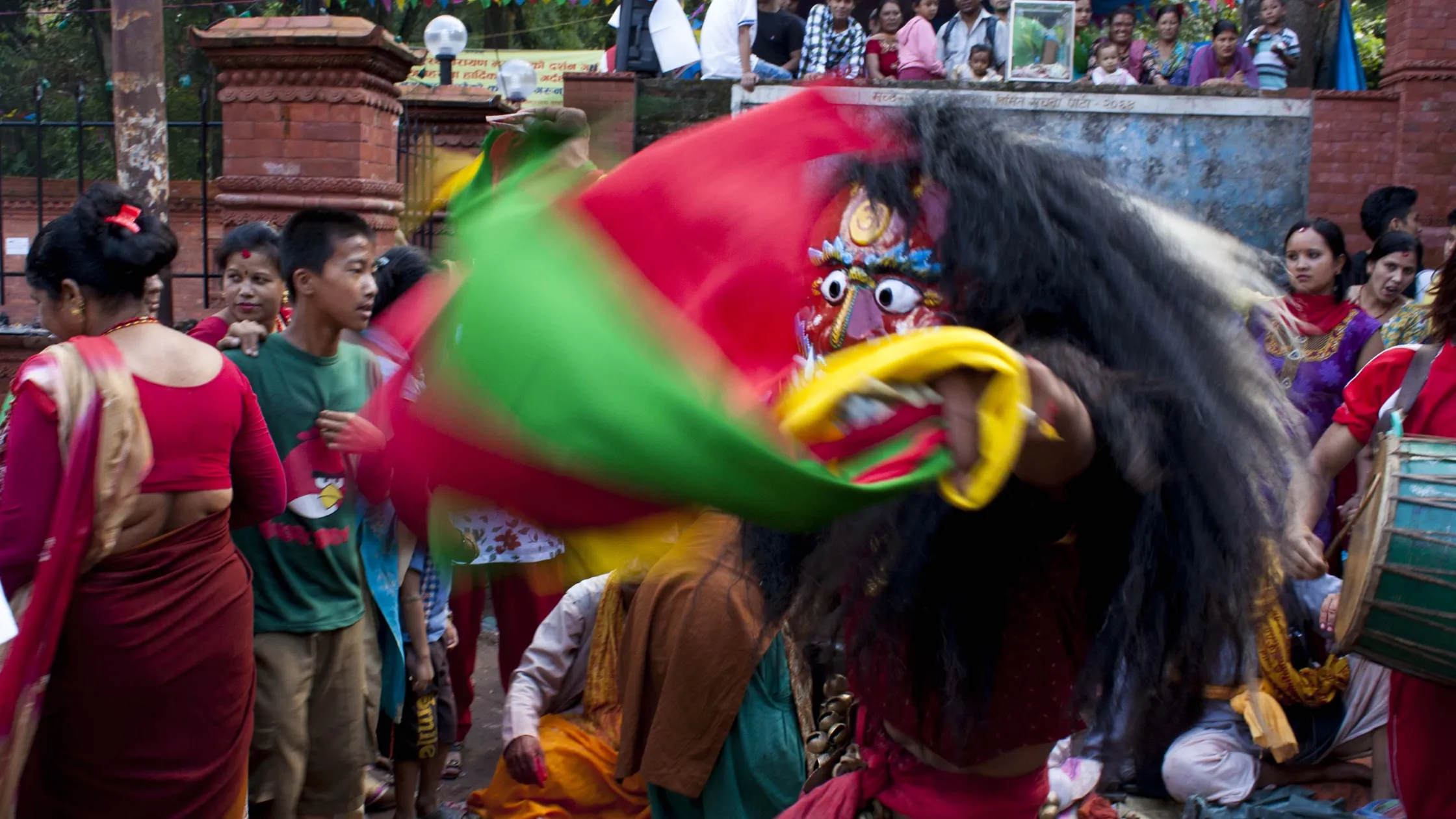
Linguists quietly warn that thousands of native tongues face extinction before this century closes. Yet, counter-intuitively, loud, chaotic cultural gatherings are carving out breathing room where rare idioms can actually survive.
Annúncios
Far from dusty museum exhibits, modern celebrations offer the kind of unstructured immersion young people need to stumble through a dying tongue without judgment.
Looking at how festivals are helping revive minority languages shows us how a simple public party can anchor an endangered history back into daily life.
We are going to look past standard preservation theory to see what actually works on the ground—exploring global gathering spots, hard metrics, and what remote professionals can tangibly do to help.
What Is the Role of Cultural Events in Language Preservation?
Classrooms rarely save a language on their own; children need to hear a tongue shouted over music or whispered in a crowded tent. When organizers blend old traditions with contemporary social spaces, heritage stops feeling like homework.
Annúncios
There is a profound psychological shift that happens when an idiom leaves the living room and hits a main stage. Suddenly, speaking a marginalized dialect ceases to be a marker of isolation and becomes an act of quiet defiance.
Annual rhythms matter. Because these events recur, people plan their entire year around them, proving that festivals are helping revive minority languages by locking culture into a dependable calendar slot.
How Does Music and Arts Drive Linguistic Continuity?
Melodies bypass the tedious mechanics of grammar by lodging straight into long-term memory. When local artists layer native vocabulary over modern hip-hop beats, teenagers start humming idioms they would otherwise never touch in a textbook.
Poetry slams and underground theater strip away the stiffness of academic preservation. Words become physical, sharp, and alive when actors weaponize them on stage, turning abstract linguistics into visceral theater.
A single viral track can carry a regional dialect across oceans before traditional scholars even finish transcribing it. That kind of borderless distribution gives fragile idioms a fighting chance in the globalized noise.
++ Bagaimana Terminologi Pertanian Tempatan Hilang daripada Bahasa Seharian
Which Global Festivals Lead Indigenous Language Revitalization?
Take the National Eisteddfod in Wales, which operates as a linguistic fortress for a full week. By flatly refusing to default to English on its stages, it forces an entire region to operationalize its native tongue.
Half a world away, Te Matatini in New Zealand treats ancestral performing arts like world-class theater. The massive audience turnout proves that indigenous expression does not need to shrink to fit modern commercial spaces.
Smaller gatherings closer to home—focusing on Navajo or Cherokee—play a similarly vital role. By bridging the generational gap between aging fluent speakers and curious teens, these dedicated festivals are helping revive minority languages from the ground up.
| Nama Acara | Wilayah | Bahasa Utama | Estimated Annual Attendance | Key Revitalization Impact |
| National Eisteddfod | Wales, UK | Welsh (Cymraeg) | 150,000+ | Normalizes Welsh in arts, media, and commerce. |
| Te Matatini | New Zealand | Māori (Te Reo Māori) | 60,000+ (Live) | Elevates tribal performing arts and youth fluency. |
| Festival d’Avignon (Occitan events) | Perancis | Occitan / Regional | 100,000+ | Integrates minority Romance dialects in theater. |
| Sápmi Indigenous Arts Festival | Scandinavia | Sami languages | 15,000+ | Preserves Arctic oral traditions across borders. |
For detailed demographic assessments regarding endangered global dialects, explore official documentation provided by the Atlas Bahasa Dunia UNESCO to review comprehensive field data.
Why Are Young Digital Professionals Crucial for Linguistic Heritage?
Remote work has quietly untethered skilled professionals from major urban hubs, sending digital workers into rural and indigenous regions. That geographic flexibility means software engineers and designers are now sitting right where linguistic heritage is most fragile.
A great festival ends on Sunday night, leaving behind silence unless someone captured it properly. Tech-savvy professionals know how to turn those fleeting live performances into searchable podcasts, databases, and apps that last.
Earning an international salary while living in a remote village changes the economic math of cultural retention. Young locals no longer have to choose between financial survival and preserving their mother tongue.
++ Mengapa pergeseran dialek warisan mempercepatkan selepas penghijrahan
How Can Freelancers Actively Support Endangered Languages?

You do not need to be a trained linguist to contribute meaningfully. Freelancers can donate a few hours of web development, layout design, or copywriting to help underfunded cultural committees punch well above their weight.
A well-written grant application or a punchy media kit can mean the difference between a canceled festival and a fully funded multi-day cultural summit. Writers hold real leverage when they direct their skills toward community survival.
Translating local oral histories into clean subtitles or interactive web resources gives regional traditions a global storefront. That digital footprint ensures children half a world away can still hear the cadences of their ancestors.
What Are the Economic Benefits of Language-Focused Tourism?
Cultural tourism injects much-needed cash directly into rural economies that standard commercial travel ignores. Travelers hunting for authentic experiences are typically eager to spend money on local artisans, food, and lodging.
When local politicians see hotel occupancy rates spike during a linguistic festival, funding priorities shift overnight. Economic validation forces institutional players to take language immersion schools and community archives seriously.
Aligning economic survival with linguistic pride creates a self-sustaining loop. It turns out that festivals are helping revive minority languages precisely because they prove heritage can pay the bills.
++ Mengapa tradisi salasilah lisan bergantung pada bahasa yang terancam
What Steps Ensure Sustainable Language Preservation?
A four-day party cannot carry a dying dialect for the remaining three hundred and sixty days of the year. Communities need permanent structures—immersion kindergartens, radio stations, and evening study circles—to anchor the progress made on stage.
State backing matters, too. Grassroots passion burns out fast without structural protections and reliable public funding to keep community centers heated and teachers paid.
For a wider view of how global institutions track indigenous rights and cultural protection frameworks, look at the research published by the United Nations Permanent Forum on Indigenous Issues.
Kesimpulan
Human history loses something irreplaceable every time a distinct worldview vanishes into silence. Cultural gatherings act as vital circuit breakers against that loss, turning quiet history into loud, living conversation.
When ancient sounds meet modern microphones and digital networks, something unexpected happens: youth start speaking the old words without hesitation. Heritage is not a museum artifact; it is an ongoing argument about who we are.
Freelancers, remote workers, and curious travelers all have a stake in keeping this linguistic tapestry unravelling. Showing up, lending skills, or simply paying attention ensures these rare voices stay loud for generations.
Soalan Lazim (Soalan Lazim)
How many languages are currently endangered worldwide?
Linguists estimate that nearly half of the world’s approximately 7,000 spoken languages face severe risk of extinction by the end of this century without immediate intervention.
Can attending cultural festivals really help preserve a minority language?
Yes, attending cultural events provides critical ticket revenue, attracts media attention, and boosts community pride, directly supporting local immersion schools, heritage programs, and ongoing preservation projects.
How do modern digital skills assist in linguistic revitalization efforts?
Digital skills enable remote workers to create language apps, edit educational media, translate event content, and archive oral traditions, making rare dialects accessible to global audiences online.
Where can freelancers find non-profit language preservation projects to support?
Freelancers can connect with global non-profit organizations, regional cultural centers, and international language documentation initiatives through platforms like Catchafire, Idealist, or direct community outreach.