Search results for ""

156 results found for your search

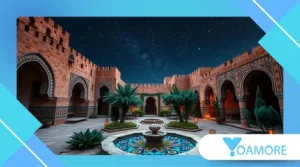
The Sufis of Morocco: A Spiritual Micro Culture of Mysticism Match
Mikro Budaya

Sufi Maghribi: Mikro Budaya Spiritual Mistisisme

Discover the unique world of the Sufis in Morocco and explore the rich tapestry of spiritual mysticism that defines their culture.
Why Do Some Cultures Fear the Number 13? Match

Mengapa Sesetengah Budaya Takut dengan Nombor 13?

The fear of the number 13, known as triskaidekaphobia, weaves a complex tapestry of cultural superstitions that span generations and continents. This superstition is rich with historical origins, mythological influences, and various interpretations across cultures. It is most famously linked to the Last Supper, where Jesus and his 12 apostles convened, making the number 13… <a class="read-more" href="https://yoamore.com/ms/why-do-some-cultures-fear-the-number-13/">Continuar lendo</a>
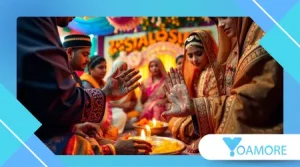
The Henna Rituals of Middle Eastern Weddings. Match

Ritual Inai dalam Perkahwinan Timur Tengah.

The enchanting world of henna rituals plays a pivotal role in Middle Eastern weddings, celebrating not just the union of two individuals, but also the cultural heritage that binds them. These fascinating traditions often occur one to two days before the main wedding ceremony, although modern celebrations might be scheduled weeks in advance. As we… <a class="read-more" href="https://yoamore.com/ms/the-henna-rituals-of-middle-eastern-weddings/">Continuar lendo</a>
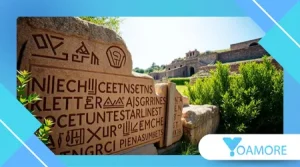
The Etruscan Language: Deciphering a Dead Script. Match

Bahasa Etruscan: Mentafsir Skrip Mati.

The Etruscan language is a mystery from ancient times. It started in the seventh century B.C. and is unlike other languages from the Mediterranean. It’s a puzzle for scholars and historians. Over 10,000 inscriptions have been found, giving us a peek into a civilization in what’s now Tuscany, Italy. The script came from the Euboean… <a class="read-more" href="https://yoamore.com/ms/the-etruscan-language-deciphering-a-dead-script/">Continuar lendo</a>
Quechua: The Lingua Franca of the Inca Empire. Match

Quechua: Lingua Franca Empayar Inca.

The Quechua language, also known as Runasimi or “the people’s language,” is a key part of the Inca Empire’s culture. It has over ten million speakers today. In Peru, about 13% of the population speaks it as their first language. The Andean culture is closely tied to Quechua. It has connected different indigenous groups across… <a class="read-more" href="https://yoamore.com/ms/quechua-the-lingua-franca-of-the-inca-empire/">Continuar lendo</a>
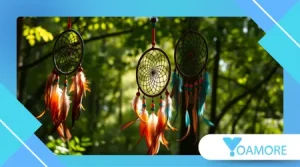
The Story Behind Dreamcatchers in Native American Traditions. Match

Kisah Di Sebalik Penangkap Mimpi dalam Tradisi Orang Asli Amerika.

Dreamcatchers hold a special place in the rich tapestry of Native American traditions, particularly among the Ojibwe people, where they originated as a protective symbol. Crafted traditionally from willow hoops and woven webs, these artifacts are adorned with feathers and beads, embodying deep dream symbolism. The primary purpose of dreamcatchers is to shield individuals from… <a class="read-more" href="https://yoamore.com/ms/the-story-behind-dreamcatchers-in-native-american-traditions/">Continuar lendo</a>
Knocking on Wood: The Origins of a Global Tradition. Match

Mengetuk Kayu: Asal Usul Tradisi Global.

The act of knocking on wood represents a deeply ingrained superstition present in many cultures around the world. It serves as an apotropaic ritual intended to ward off bad luck or evil spirits while simultaneously inviting positive fortunes. Understanding the origins of knocking on wood unveils an intriguing history that bridges both pagan customs and… <a class="read-more" href="https://yoamore.com/ms/knocking-on-wood-the-origins-of-a-global-tradition/">Continuar lendo</a>
Salt Over the Shoulder: A Symbol of Purification and Luck. Match

Garam di Atas Bahu: Simbol Pemurnian dan Nasib.

The act of tossing salt over the shoulder is a deeply ingrained superstition, often associated with themes of purification and good luck. This intriguing practice finds its roots in ancient traditions and cultures, illustrating how something as simple as a grain can carry significant cultural weight. Historically, salt has been a precious commodity, essential for… <a class="read-more" href="https://yoamore.com/ms/salt-over-the-shoulder-a-symbol-of-purification-and-luck/">Continuar lendo</a>
The Sea Nomads: Bajau People and Their Underwater Adaptations. Match
Mikro Budaya

Pengembara Laut: Orang Bajau dan Adaptasi Bawah Air Mereka.

The Bajau people, known as sea nomads, live in Southeast Asia’s coastal waters. They are found mainly in the Philippines, Malaysia, and Indonesia. They have amazing skills for diving deep to find fish and pearls. They spend more than five hours underwater every day. They can hold their breath for up to three minutes. Freediving… <a class="read-more" href="https://yoamore.com/ms/the-sea-nomads-bajau-people-and-their-underwater-adaptations/">Continuar lendo</a>
Why Whistling at Night Is Taboo in Some Cultures. Match

Mengapa Bersiul pada Waktu Malam Adalah Tabu dalam Sesetengah Budaya.

Across the globe, the act of whistling at night is often steeped in a myriad of cultural superstitions. Many societies hold that whistling after dark invites evil spirits, making it a taboo practice associated with bad luck and misfortune. From Turkey to Japan, whistling at night reflects deeper narratives tied to folklore and the supernatural,… <a class="read-more" href="https://yoamore.com/ms/why-whistling-at-night-is-taboo-in-some-cultures/">Continuar lendo</a>