
Cultural traditions around table etiquette frequently hide profound historic roots, offering fascinating glimpses into medieval social structures.
Anúncios
Among these customs, few carry as much quiet dread as leaving a baked loaf inverted upon a wooden board.
Understanding table superstitions requires examining the historical events that transformed simple culinary items into symbols of bad luck.
This article explores why turning bread upside down became associated with misfortune, detailing its origin story, religious significance, modern interpretations, and cultural persistence across centuries.
Below is an overview of the key topics explored in this guide to help you navigate the historical and cultural layers of this enduring tradition:
Anúncios
- What is the meaning behind turning bread upside down as a bad sign?
- Why was inverted bread linked to the executioner?
- How does religious symbolism reinforce the bread omen?
- What are the key cultural interpretations of upside-down bread?
- When did placing bread upside down become a widespread superstition?
- Frequently Asked Questions about bread superstitions
What Is the Meaning Behind Turning Bread Upside Down as a Bad Sign?
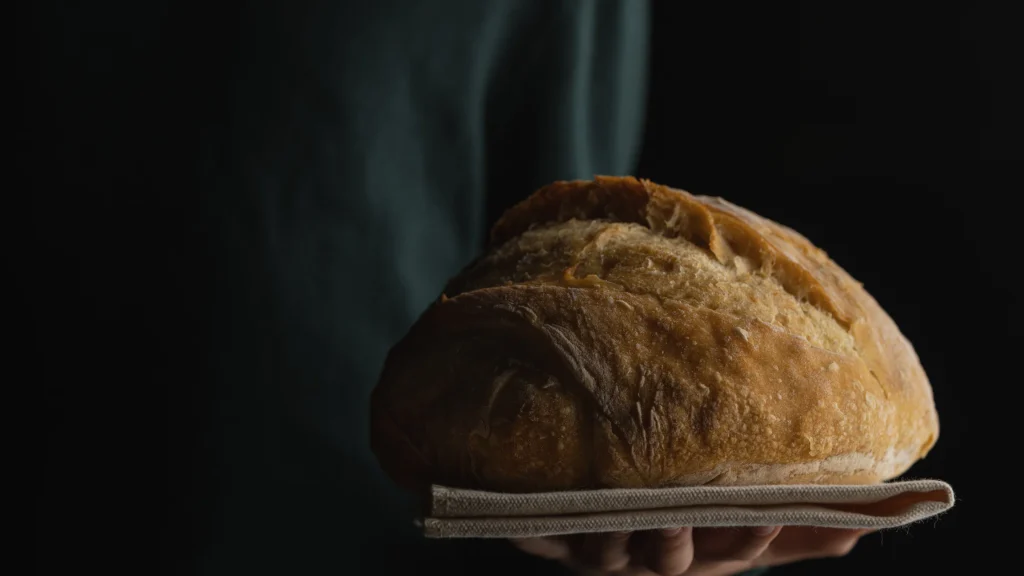
The primary meaning behind turning bread upside down as a bad sign stems from medieval Europe, where an inverted loaf symbolized death, betrayal, and severe ill fortune. Placing bread upside down was seen as inviting unwanted spirits into the home.
Food historians trace this specific taboo directly to medieval town structures, where bakers reserved inverted loaves for executioners.
Because townspeople shunned public hangmen, bakers placed reserved loaves upside down so regular customers would not touch them.
Over centuries, this practical bakery coding evolved into a powerful omen. Flipping a loaf came to signify an invitation to tragedy, attracting bad luck or signaling disrespect to the person who provided the daily nourishment.
++ Why Athletes Still Follow Strict Game-Day Rituals in 2026
Why Was Inverted Bread Linked to Medieval Executioners?
During the Middle Ages in France, executioners occupied a unique social role. They performed necessary legal tasks for the state, yet citizens feared physical contact with them, treating them as cursed or completely untouchable figures.
Royal decrees eventually compelled local bakers to supply executioners with daily bread despite popular resistance.
To comply without angering regular patrons, bakers flipped the executioner’s loaf upside down on the counter as a subtle visual indicator.
Consequently, touching or eating an inverted loaf meant consuming the food reserved for the hangman.
People believed doing so brought the executioner’s dark aura into their lives, establishing the lasting belief that inverted bread heralds misfortune.
According to historical documented records from European folklore archives published on the Bibliothèque nationale de France , culinary taboos often developed directly from medieval guild practices and legal decrees regarding public executioners.
How Does Religious Symbolism Reinforce the Omen?
Beyond civic history, bread holds deep sacred significance within Christian traditions, representing life, sustenance, and the body of Christ.
Flipping bread upside down was viewed by medieval communities as a direct act of spiritual sacrilege.
Subverting a sacred symbol inverted the divine blessing associated with daily meals. Many believed placing the crust bottom-side up mocked the gift of food, provoking spiritual disharmony and inviting misfortune into the household.
Additionally, folk traditions warned that turning bread upside down invited the Devil into the kitchen.
The physical inversion of the loaf mirrored flipped holy symbols, reinforcing popular fears of demonic presence and dark omens.
What Is the Deepest Meaning Behind Turning Bread Upside Down as a Bad Sign across European Cultures?
Cultural anthropologists frequently observe that the meaning behind turning bread upside down as a bad sign runs far deeper than simple domestic anxiety.
Flipping a loaf upside down effectively turns a universal symbol of life and survival into a inverted emblem of death and social exile.
In many rural communities across France and Spain, this single gesture was historically viewed as a direct invitation to poverty, breaking the unspoken covenant of gratitude for the family’s daily nourishment.
++ The Belief That New Clothes Should Never Be Worn on a Monday
How Did the Meaning Behind Turning Bread Upside Down as a Bad Sign Shape Daily Medieval Table Etiquette?
During the late Middle Ages, table manners served as a primary boundary between orderly civil society and complete social chaos.
The meaning behind turning bread upside down as a bad sign became so deeply embedded in household routine that children were scolded immediately for resting a loaf on its crust.
Household heads treated an inverted loaf not merely as a breach of politeness, but as a dangerous domestic curse that could spoil stored provisions and invite lingering bad luck into the dining room.
Why Does the Meaning Behind Turning Bread Upside Down as a Bad Sign Still Persist in Modern Kitchens?
Even in an era dominated by modern food production and secular routines, the meaning behind turning bread upside down as a bad sign retains a surprising psychological grip on home cooks.
Most people who automatically right an inverted loaf on a cutting board cannot cite the medieval executioner decrees that started the taboo.
Instead, the impulse survives as a subconscious habit passed down through generations, proving how ancient anxieties around food scarcity quietly shape contemporary kitchen culture.
Which Historical Events Reinforced the Meaning Behind Turning Bread Upside Down as a Bad Sign During Times of Famine?
Throughout periods of severe European harvest failures, the meaning behind turning bread upside down as a bad sign acquired an even more urgent, grim significance.
When grain shortages threatened entire towns, wasting or disrespecting bread through improper placement was seen as a moral failure that mocked the suffering of starving neighbors.
Local folk legends quickly grew around families who suffered sudden ruin after carelessly flipping their loaves, solidifying the custom as a permanent safeguard for household prosperity.
What Are the Key Cultural Interpretations of Upside-Down Bread?
Different regions and historical eras developed specific variations of this belief, though most centered on themes of loss, death, and social misfortune. Understanding these variations highlights how widespread the fear of inverted bread became.
| Country / Region | Primary Historical Belief | Associated Risk or Omen | Traditional Remedy |
| France | Executioner’s reserved loaf | Attracting death or executioner’s curse | Immediately turn loaf upright and cross it |
| Italy | Disrespecting sacred daily sustenance | Bringing severe poverty and hunger to family | Kiss the loaf before righting its position |
| England | Invoking maritime disaster | Causing a nearby ship to capsize at sea | Turn bread right-side up before slicing |
| Scotland | Inviting evil spirits into home | Spoilage of household food supplies | Marking a cross on the bottom crust |
As shown above, while French traditions link the action to the hangman, coastal regions linked inverted bread to naval shipwrecks. Inverting food mirrored a ship capsizing, demonstrating how local anxieties shaped table superstitions.
When Did Placing Bread Upside Down Become a Widespread Superstition?
The custom solidified into widespread popular belief during the 14th and 15th centuries across Western Europe.
As public executions became organized municipal events, the baker’s practice of marking loaves became common knowledge.
By the 18th century, the original municipal reason for turning the bread began to fade from common memory.
However, the physical action remained deeply ingrained in domestic etiquette as a habitual warning passed across generations.
In modern times, European families frequently correct inverted loaves without knowing the medieval executioner history.
The automatic instinct to flip bread upright demonstrates how strongly ancient social taboos persist in contemporary dining culture.
++ The Internet’s Obsession with “Lucky Girl Syndrome” Explained
How Does Modern Etiquette View This Tradition Today?
Contemporary dining manners across Europe and North America still reflect subtle remnants of this ancient taboo.
While few modern diners fear executioners, leaving bread upside down is often perceived as unrefined or careless.
Professional culinary institutions teach proper bread presentation, emphasizing that loaves must always rest on their flat bottom crust.
Presentation standards align naturally with historical customs, preserving the visual tradition in formal dining environments.
Psychologically, correcting an inverted loaf offers a simple sense of order at the dinner table. Respecting food presentation reinforces social connection, turning ancient defensive superstitions into modern habits of mindful hospitality.
Detailed analysis of cultural anthropology and food history can be further explored through resource archives at the Smithsonian Institution
, which documents how culinary habits reflect historical social structures.
Conclusion
Understanding the meaning behind turning bread upside down as a bad sign reveals a fascinating intersection of medieval law, social taboo, and religious reverence. What began as a practical baker’s signal to mark food for executioners evolved into an enduring cultural omen of ill fortune.
Whether viewed through historical analysis or modern dining etiquette, respecting culinary traditions connects us to centuries of human history.
Correcting an inverted loaf remains a timeless gesture of respect for daily sustenance and shared meals.
Frequently Asked Questions (FAQ)
What should you do if someone accidentally turns bread upside down?
Traditionally, you should immediately turn the bread right-side up. In older French folk customs, making a small sign of the cross on the crust neutralized any bad luck.
Does turning bread upside down mean bad luck in every culture?
Most European and Latin American cultures view inverted bread as unlucky or disrespectful. However, some traditions focus more on the economic disrespect of wasting food rather than supernatural omens.
Is cutting bread upside down also considered unlucky?
Yes, slicing a loaf while it rests upside down was historically believed to bring poverty to the household. It was viewed as double disrespect toward the breadmaker and the food itself.
What other foods have superstitions attached to them?
Salt, rice, and garlic carry extensive superstitions worldwide. Spilling salt represents bad luck, upright chopsticks in rice mirror funeral incense, and hanging garlic wards off negative energy.