
Digital Superstitions: Why People Screenshot “Lucky” Battery Percentages
Modern smartphone users frequently capture images of their screens when certain numbers appear.
Anúncios
This contemporary habit reflects how ancient human impulses adapt swiftly to our highly technological environments.
Cultural shifts reveal that rituals evolve alongside tech advancements, creating unique behavioral patterns.
This article explores the psychological roots, sociological impacts, and digital manifestations of these modern repetitive behaviors.
Readers will discover why specific numbers trigger emotional responses globally.
Anúncios
Our comprehensive analysis covers numerical patterns, cultural data, and psychological mechanisms driving online behaviors today.
What Are Digital Superstitions in Modern Culture?
Smartphones serve as the primary medium where modern rituals develop naturally. Users project ancient desires for luck, control, and validation onto digital interfaces daily.
Psychologists define these specific behaviors as modern cultural adaptations of traditional folklore.
People seek order within unpredictable virtual spaces, creating unique habits around screen interactions.
Our collective relationship with technology fosters unexpected psychological connections to daily devices.
Consequently, these new digital superstitions emerge as natural extensions of human pattern recognition.
Why Do People Capture Angel Numbers on Screens?
Pattern recognition drives individuals to notice repetitive sequences like 11:11 or 22%. Human brains naturally seek meaning within random data to reduce existential anxiety.
Capturing these visual moments provides a fleeting sense of alignment and peace. People share these screenshots online to foster connection, validation, and community belonging.
Gen Z and Millennial professionals use these digital markers as mindfulness tools. These brief interactions offer moments of reflection during hectic, tech-driven workdays.
How Does Tech Culture Shape New Rituals?
Software design deliberately encourages frequent device interaction throughout our productive hours. Notifications, interface layouts, and battery icons constantly demand active visual attention from users.
When numbers align perfectly, users feel a sudden sense of control. This reaction mimics traditional good luck charms used by previous generations worldwide.
According to research published by the Pew Research Center tracking digital life, mobile devices deeply influence daily psychological habits and societal communication norms.
Therefore, capturing screen alignments bridges technology with human emotional needs.
Why Do Digital Superstitions Provide Comfort to Remote Workers?
Isolating work environments amplify the internal need for structural anchors and micro-breaks throughout the day.
When a software developer or freelance writer spots an alignment like 22% battery during a high-stress project, it acts as an involuntary, comforting pause button.
This spontaneous moment functions similarly to traditional mindfulness exercises, breaking the monotony of continuous screen exposure.
It momentarily shifts focus from demanding workloads to a lighthearted, universally recognized concept of digital luck.
When Do Interface Metrics Shift from Data to Modern Folklore?
Numbers on screens cease to be simple technical metrics the exact moment users attach emotional weight to them.
This transformation typically accelerates when digital communities collectively validate these patterns through viral sharing, memes, and content algorithms.
Once a specific battery percentage or timestamp becomes a symbol of alignment, it transitions out of raw utility.
The interface stops merely reporting device health and begins hosting a living, evolving form of shared human culture.
+ Woven in Fate: How cultural beliefs quietly shape the way we love
Which Numbers Trigger the Most Screen Captures?
Numerical significance varies across cultures, deeply influencing modern online habits significantly. Certain digits carry historical weight, while others gain popularity through internet culture.
Understanding these preferences reveals how global audiences interact with digital devices. Micro-moments of joy often stem from these shared cultural interpretations of numbers.
The data below outlines the most common percentages and time stamps that prompt users to take screenshots, reflecting broader psychological trends.
| Digit Pattern | Cultural Meaning | Primary Platform Prevalence |
| 11:11 | Universal manifestation, alignment, and spiritual wishes. | Instagram Stories, TikTok |
| 22% / 22:22 | Balance, partnership, and professional reassurance. | X (formerly Twitter), Threads |
| 77% | Divine luck, gambling fortune, and positive energy. | Reddit communities, Snapchat |
| 69% | Internet meme culture, humor, and social bonding. | Discord servers, Reddit |
What Is the Psychology Behind Battery Percentages?
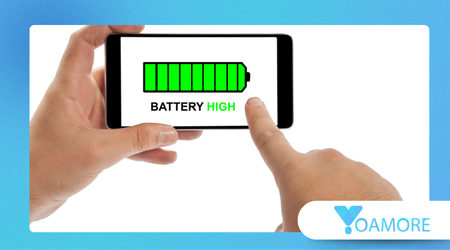
Battery icons represent finite energy, time management, and subtle daily anxiety. Seeing a high or specific number brings comfort to busy digital professionals.
A lucky percentage transforms a stressful metric into a positive psychological signal. This cognitive shift helps remote workers manage technological fatigue more effectively.
Developing these small rituals allows individuals to reclaim ownership over stressful devices. Finding magic in ordinary interface elements reduces the coldness of modern technology.
+ Why Some Communities Never Say Goodbye Directly
When Do These Digital Superstitions Become Mainstream?
Social media algorithms accelerate the spread of niche online behaviors rapidly.
What started as individual habits quickly transformed into massive global digital trends.
Viral challenges encourage users to post their screen captures for engagement.
This collective participation solidifies individual habits into recognized cultural phenomena online.
As digital native generations dominate online discourse, these practices expand globally.
Virtual communities normalize these quirky behaviors, turning them into standard modern folklore.
How Do Algorithms Amplify These Habits?
Online platforms thrive on shared human behaviors, feeding content back to interested users.
Once someone interacts with a lucky number post, systems recommend similar content instantly.
This feedback loop creates massive visibility for otherwise isolated personal rituals. Consequently, the term digital superstitions gains traction as more users identify with these behaviors.
Shared media experiences validate these habits, transforming casual technology users into active community participants.
This validation strengthens the psychological bond between individuals and screen elements.
+ Why Leaving Food on the Plate Is Considered Dangerous in Some Societies
Conclusion
Modern screen-capturing habits show that technology cannot erase humanity’s deep desire for ritual. Finding meaning in battery percentages helps people navigate complex digital landscapes.
Embracing these harmless habits provides comfort, community, and tech-life balance for professionals.
Ultimately, these practices remind us that human nature remains beautifully imaginative.
Discover more insights about technology habits by exploring the American Psychological Association reports on tech behavior, which examine how digital environments reshape modern human psychology.
FAQ (Frequently Asked Questions)
What is the most common digital superstition today?
Capturing the time at 11:11 remains the most widespread practice globally. Users believe this specific sequence allows them to manifest desires and find alignment.
Why do digital superstitions matter for remote workers?
These small rituals offer brief, mindful breaks during long screen sessions. They provide psychological comfort and help manage daily stress caused by constant connectivity.
Do battery percentages affect user anxiety levels?
Yes, low percentages cause documented tech anxiety among modern smartphone users. Conversely, encountering specific “lucky” numbers can trigger positive emotional responses instantly.
How do online communities reinforce these modern habits?
Social media platforms allow users to share screenshots and validate experiences. This constant sharing transforms private personal habits into celebrated global cultural trends.