How village storytelling dialects survive without schools
Across remote valleys and coastal pockets, complex human languages survive entirely out of sight of formal education. No textbooks record their grammar, no classrooms enforce their usage, and no standardized spelling rules bind their sound.
Anúncios
Yet, these unwritten oral traditions maintain intricate phonetic distinctions, archaic vocabularies, and sophisticated narrative structures across generations.
They endure not through institutional preservation, but through domestic immersion, daily work rhythms, and the shared performance of community history.
Understanding how oral tradition thrives outside academic frameworks reveals a quiet truth about human culture: language does not require institutional authority to stay alive.
It requires purpose, social connection, and an active stage within daily life.
Anúncios
What Are Village Storytelling Dialects and How Do They Function?
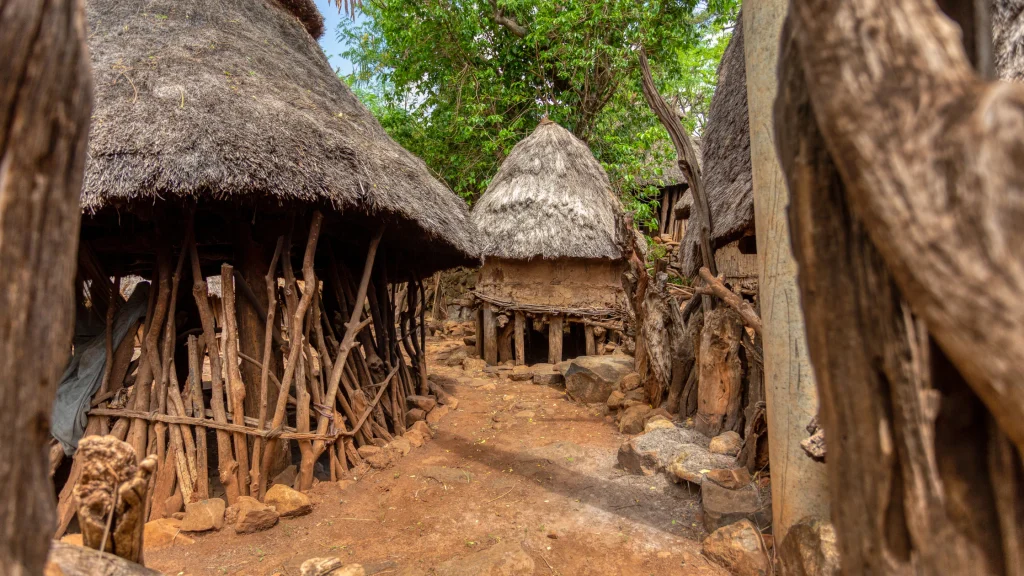
Linguists use the term village storytelling dialects to describe specialized oral registers that exist alongside everyday speech.
These are not merely casual regional accents; they are distinct narrative voices enriched with archaic terminology, complex tonal shifts, and ceremonial sentence patterns.
They emerge during evening recitations, agricultural gatherings, and rites of passage, serving as living archives for communities without written literature.
Unlike written languages anchored by printing presses, oral dialects rely on dynamic vocal performance.
Storytellers employ rhythmic cadence, expressive gesture, and communal refrains that help listeners memorize intricate plot structures and specialized vocabularies.
Because these linguistic features are woven directly into social life, they retain extraordinary precision across centuries without ever touching a page.
How Do These Dialects Survive Without Formal Classrooms?
When formal institutions are absent, daily social life becomes the classroom.
Children do not memorize vocabulary lists; they absorb complex linguistic structures while sitting near kitchen fires, listening to elders recount historical events and moral fables.
- Intergenerational Immersion: Daily contact between grandparents and children ensures that archaic idioms and ancestral names pass naturally into the next generation’s active vocabulary.
- Occupational Rhythms: Work songs sung during planting, harvesting, or weaving synchronize physical effort with vocal practice, locking specialized terms into collective memory.
- Ritualized Performance: Annual festivals demand exact verbal recitations from designated speakers, maintaining strict standards of phonetic accuracy.
- Informal Play: Children recreate traditional stories during peer play, testing narrative boundaries while internalizing the core grammar of their native speech.
This organic cycle creates an environment where language acquisition happens continuously, driven by social necessity rather than academic testing.
Why Do Communities Resist Institutionalizing Their Oral Speech?
The relationship between minority speech communities and formal schooling is historically tense.
For generations, state-sponsored educational systems served as primary tools for linguistic assimilation, actively suppressing local speech in favor of dominant national tongues.
Consequently, many communities view institutionalization with reasonable suspicion. Beyond historical memory lies a practical realization: codifying an oral dialect into rigid textbooks often drains its vitality.
Textbooks struggle to capture pitch variations, audience interaction, and local idioms that give oral performance its power.
Keeping narrative traditions within local control preserves cultural sovereignty, ensuring sacred stories and ecological wisdom remain protected within trusted social networks.
++ The decline of pastoralist languages in changing rural economies
How Do Linguists Measure the Vitality of Unwritten Speech?
To evaluate whether an oral dialect is thriving or disappearing, sociolinguists look beyond speaker counts to assess where, how, and by whom the language is used in daily life.
| Diagnostic Benchmark | Primary Assessment Focus | Indicators of Strong Vitality | Indicators of Critical Risk |
| Intergenerational Transmission | Age distribution of speakers | Children learn the dialect at home | Only elderly community members speak it |
| Domain Usage Density | Environments where speech occurs | Used in homes, fields, and ceremonies | Restricted to private elder conversations |
| Social Prestige | Internal community attitude | High pride and active usage | Stigma or rapid shift to dominant tongues |
| Archival Documentation | Quality of field recordings | Extensive high-fidelity audio archives | No permanent recordings exist |
Tracking these indicators helps researchers identify vulnerable speech communities early, enabling collaborative preservation efforts before critical intergenerational transmission pathways break down permanently.
How Does Technology Aid Documenting Unwritten Languages?
Modern fieldworkers rely on lightweight digital audio equipment and specialized directional microphones to build high-fidelity sound archives directly within village environments.
These non-invasive tools allow researchers to document narrative performances without disrupting the natural context of the storytelling gathering.
provide essential frameworks for mapping vulnerable speech patterns globally, while scholarly resources at the Linguistic Society of America
support ongoing field documentation and ethical archiving research.
++ How Festivals Are Helping Revive Minority Languages
What Forces Threaten Oral Speech Survival Today?
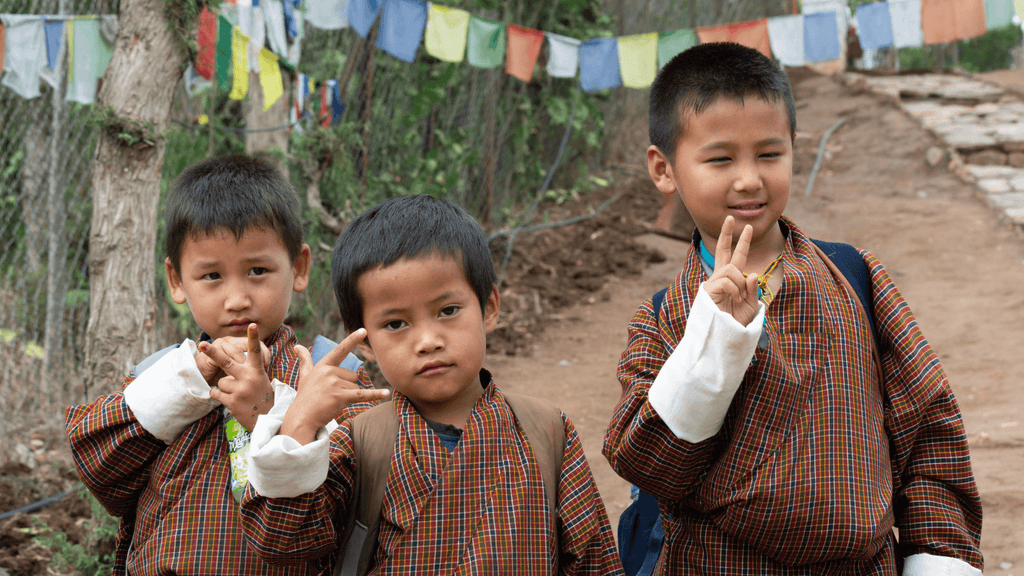
Despite their resilience, oral storytelling traditions face unprecedented external pressures.
Rapid urbanization pulls younger workers toward commercial centers, separating them from the daily social circles where dialect transmission occurs.
Simultaneously, global media and widespread smartphone access introduce dominant national languages directly into rural homes, shifting family entertainment away from traditional oral performance.
Economic factors further compound the issue, as young adults prioritize national languages required for formal employment and higher education, gradually leaving ancestral speech behind.
++ How Local Farming Terminology Disappears from Daily Language
How Can Global Initiatives Support Preservation?
Protecting unwritten languages requires supporting the people who speak them.
Effective preservation efforts prioritize community autonomy, equipping local youth with digital recording tools so they can document their own elders’ stories on their own terms.
Supporting regional cultural centers, establishing linguistic rights frameworks, and fostering respect for traditional ecological knowledge all contribute to creating environments where unwritten dialects can continue to serve their communities naturally.
Frequently Asked Questions
Can a speech variation truly survive without a written alphabet?
Yes. Millions of people maintain complex narrative registers entirely through daily speech, oral history, work songs, and ritual performance without relying on written orthographies.
Why do standardized schools often diminish local speech diversity?
State educational curricula generally enforce a single standardized national language for instruction, which can marginalize local dialects and discourage children from speaking their native tongue.
How do researchers analyze unwritten languages?
Linguists record natural conversations, map phonetic structures using specialized sound analysis software, transcribe spoken words into international phonetic symbols, and document grammatical patterns alongside community speakers.
What is lost when an oral dialect vanishes?
When a dialect disappears, a community loses unique historical perspectives, specialized ecological terminology, traditional oral poetry, and irreplaceable cultural ways of understanding the world.