
Los recolectores urbanos de la ciudad de Nueva York: microcultura en junglas de concreto

Los recolectores urbanos de la ciudad de Nueva York sirven como una fascinante contradicción con el entorno de acero y vidrio de la metrópolis moderna, demostrando que la naturaleza prospera en todas partes.
Anuncios
Bajo la sombra de los rascacielos, una revolución silenciosa ocurre a diario. Implica ojos perspicaces que escudriñan el suelo en lugar del horizonte.
Estas personas ven una barra de ensaladas donde otros ven maleza. Esta subcultura redefine nuestra relación con los alimentos.
Tabla de contenido:
- ¿Qué define el movimiento moderno de recolección de alimentos en la ciudad de Nueva York?
- ¿Por qué los neoyorquinos corren el riesgo de ser multados por recolectar alimentos silvestres?
- ¿Cuáles son las plantas más buscadas en los cinco distritos?
- ¿Cómo impacta esta microcultura en las escenas culinarias locales?
- ¿Cuál es la posición de la ley respecto a la cosecha en parques públicos?
- ¿Cómo pueden los principiantes involucrarse de forma segura y ética?
- Conclusión
- Preguntas frecuentes (FAQ)
¿Qué define el movimiento moderno de recolección de alimentos en la ciudad de Nueva York?
Uno podría imaginar a los recolectores como vagabundos rurales, pero la realidad en 2025 es completamente diferente e increíblemente urbana.
Anuncios
Los recolectores urbanos de la ciudad de Nueva York comprenden un grupo demográfico diverso, que va desde chefs de alto nivel hasta activistas ambientales. Comparten una filosofía común con respecto a la "naturaleza urbana".
Estos grupos ven el ecosistema urbano como un paisaje productivo. La conexión con la tierra los impulsa, incluso entre el hormigón.
El conocimiento es su principal moneda en esta microcultura única. Identificar un hongo o verdura comestible específica requiere una experiencia específica. Los recolectores apasionados mapean la ciudad no por calles, sino por ciclos de cosecha.
Central Park se convierte en una despensa en lugar de un simple espacio recreativo. Se forman comunidades online y offline para compartir consejos de temporada. Esto representa una resistencia a los sistemas alimentarios industriales.
+ Del nicho a la influencia: el poder silencioso de las microculturas online
¿Por qué los neoyorquinos corren el riesgo de ser multados por recolectar alimentos silvestres?
Las motivaciones varían, pero la emoción del descubrimiento suele encabezar la lista para muchos recolectores entusiastas. Encontrar sustento en un entorno artificial ofrece una recompensa psicológica primaria.
Los factores económicos también han influido significativamente en los últimos años. Con el impacto de la inflación en las facturas de la compra, las verduras gratuitas y ricas en nutrientes resultan atractivas para muchos.
Los perfiles de sabor de los alimentos silvestres superan con creces las variedades de supermercado. El ajo silvestre recién cosechado o el ajo silvestre tienen un sabor intenso.
Los recolectores urbanos de la ciudad de Nueva York Valora estos sabores únicos. Los defensores de la sostenibilidad la consideran la dieta definitiva de "kilómetro cero".
Argumentan que, al consumir especies invasoras, en realidad están ayudando al ecosistema. Eliminar la artemisa, por ejemplo, puede frenar su propagación agresiva.
La curiosidad por el mundo natural impulsa este estilo de vida tan particular. Transforma un simple paseo al metro en una búsqueda del tesoro.
+ El mundo de las microculturas: cómo las pequeñas comunidades moldean las tendencias globales
¿Cuáles son las plantas más buscadas en los cinco distritos?
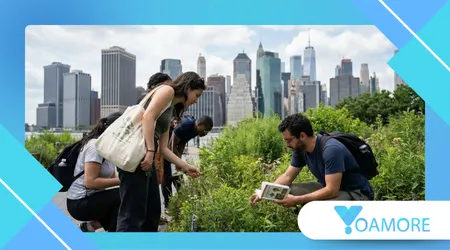
La diversidad de flora en Nueva York es sorprendentemente vasta y abundante. Los recolectores siguen un estricto calendario estacional para maximizar sus abundantes hallazgos.
La primavera trae consigo la tierna vegetación que suele anunciar el inicio de la temporada. Las rampas son muy apreciadas, aunque los recolectores éticos ahora las abandonan debido a su escasez.
Las moras tiñen las aceras de Brooklyn a principios del verano. Las nueces de ginkgo caen en otoño, ofreciendo un dulce aromático pero delicioso. La siguiente tabla describe los hallazgos más comunes para los coleccionistas urbanos.
| Estación | Planta/Hongos | Contexto de ubicación | Uso culinario común |
| Primavera | Hierba japonesa del nudo | Parques, zonas de residuos | Relleno de tarta, sustituto del ruibarbo |
| Verano | Amelanchier | Árboles de la calle, parques | Mermeladas, comer crudo, repostería |
| Finales de verano | Nueces negras | Grandes parques | Horneado, salsas saladas |
| Otoño | Gallina de los bosques | Robles | Salteados, asados, sopas |
| Invierno | Escaramujos | zonas costeras | Té, jarabes, jaleas |
Micólogos expertos también recorren la ciudad en busca de hongos medicinales. Los hongos cola de pavo crecen abundantemente en la madera en descomposición de los parques urbanos. Su identificación es crucial; los errores en el reino fúngico son peligrosos.
¿Cómo impacta esta microcultura en las escenas culinarias locales?
Los chefs han aprovechado desde hace mucho tiempo el conocimiento de los recolectores locales. El concepto "de la granja a la mesa" ha evolucionado hacia el "del parque al plato" para selectos establecimientos de vanguardia. Los menús con ingredientes de recolección silvestre inspiran atención y respeto.
Los recolectores urbanos de la ciudad de Nueva York A menudo abastecen a estas cocinas especializadas. Esto crea una cadena de suministro secreta basada en la confianza y la calidad. Los comensales buscan estas experiencias para degustar el auténtico terroir de Nueva York.
Los bármanes infusionan sus cócteles con zumaque recolectado o puntas de abeto. Esta tendencia resalta la intersección entre la naturaleza y la alta cultura.
La creatividad culinaria florece cuando se limita a lo que ofrece la temporada. Esto obliga a volver a métodos tradicionales de conservación como el encurtido. Los aficionados a la fermentación también utilizan levaduras silvestres presentes en las bayas locales.
+ Los pueblos de peregrinación de España y sus tradiciones comunales
¿Cuál es la posición de la ley respecto a la cosecha en parques públicos?
La legalidad sigue siendo el aspecto más polémico de esta práctica urbana. Las normas del Departamento de Parques de la Ciudad de Nueva York prohíben técnicamente la destrucción de plantas. La Sección 1-04 de las normas prohíbe la desfiguración o la eliminación de la vegetación.
La aplicación de la ley varía considerablemente según el parque y el guardabosques. Muchos hacen la vista gorda ante la recolección a pequeña escala. La tala de plantas enteras generalmente está mal vista y se vigila estrictamente.
Los recolectores urbanos de la ciudad de Nueva York Navegue con cuidado por esta zona gris. Los defensores argumentan que la recolección de especies invasoras debería legalizarse y fomentarse. Los detractores afirman que la recolección masiva de alimentos podría diezmar los frágiles ecosistemas urbanos.
La administración responsable es el contraargumento que utilizan los grupos de recolección ética. Afirman proteger la tierra de la que cosechan.
¿Cómo pueden los principiantes involucrarse de forma segura y ética?
Empezar requiere más que solo entusiasmo; exige un estudio riguroso. Nunca comas nada que no puedas identificar con certeza.
La contaminación es una preocupación importante en cualquier área metropolitana densa. Evite cosechar cerca de vías transitadas debido a la contaminación del suelo por metales pesados.
Los parques para perros y los céspedes tratados químicamente están, obviamente, prohibidos. Únase a un grupo de confianza como la Sociedad Micológica de Nueva York.
La mentoría es la forma más segura de aprender sobre la flora local. La recolección ética implica tomar solo lo necesario, nunca toda la parcela.
Deje suficiente para la vida silvestre y para que la planta se regenere. El respeto por el ecosistema es el principio fundamental de la cultura.
Los recolectores urbanos de la ciudad de Nueva York Protegen sus áreas con fiereza. Las aplicaciones digitales pueden ayudar, pero la guía humana siempre es superior.
Conclusión
Reconectarse con la naturaleza en una jungla de cemento ofrece profundas recompensas. Los recolectores urbanos de la ciudad de Nueva York Demostrar que la naturaleza es una perspectiva.
Nos recuerdan que somos parte del ecosistema, no algo separado. Esta microcultura crea intimidad con las calles que recorremos a diario.
Desafía el consumismo al encontrar valor en lo que se pasa por alto. Ya sea por gusto, por política o por diversión, el movimiento está creciendo.
A medida que avanzamos hacia 2025, esta conexión se vuelve cada vez más vital. Quizás la próxima vez que camines por un parque, mires hacia abajo. Quizás veas la cena creciendo a través de una grieta en el pavimento.
Preguntas frecuentes (FAQ)
¿Es legal recolectar alimentos en la ciudad de Nueva York? Técnicamente, no. Las normas de Parques de la Ciudad de Nueva York prohíben la tala de vegetación. Sin embargo, la aplicación de la ley suele ser discrecional, especialmente en lo que respecta a especies invasoras o bayas, aunque se arriesga a multas.
¿Es seguro comer plantas de los parques urbanos? La seguridad depende de la ubicación. Evite las zonas con tráfico (con gases de escape) o lugares rociados con pesticidas. Lave bien todos los productos antes de consumirlos.
¿Cuál es la planta más fácil de identificar para principiantes? Las moras y los dientes de león son excelentes puntos de partida. Son distintivos, abundantes y no tienen imitaciones venenosas en el entorno urbano.
¿Necesito equipo especial para empezar? Se requiere un equipo mínimo. Una bolsa de lona resistente, un cuchillo pequeño (consulta las normas de longitud de hoja) y una guía de campo son suficientes.
¿Puedo vender lo que recolecto? Vender alimentos silvestres suele requerir certificación y cumplimiento de las normas del departamento de salud. La mayoría de los recolectores ocasionales cosechan exclusivamente para consumo personal.