
El hundimiento del Sultana: el peor desastre marítimo de Estados Unidos
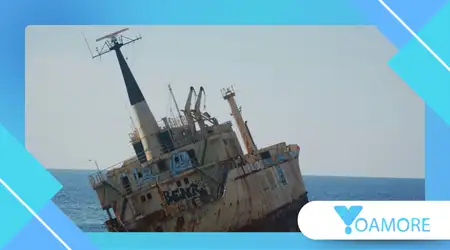
El El hundimiento del Sultana Sigue siendo la tragedia marítima más devastadora de la historia de Estados Unidos, pero a menudo queda eclipsada por el final de la Guerra Civil.
Anuncios
Este exhaustivo análisis histórico explora la combinación fatal de avaricia corporativa, fallas mecánicas y negligencia sistémica que condujo al desastre de 1865 en el río Mississippi.
En este artículo descubrirás:
- Los fallos técnicos que provocaron las explosiones de las calderas.
- El contexto sociopolítico del regreso de los presos de la Unión.
- Estadísticas clave y el legado moderno del evento.
¿Qué causó el hundimiento del Sultana?
El principal catalizador para el El hundimiento del Sultana Fue la falla catastrófica de tres de las cuatro calderas del barco durante un período de estrés físico extremo.
La codicia desempeñó un papel decisivo, ya que el barco, diseñado para tan solo 376 pasajeros, estaba abarrotado con más de 2.100 personas, en su mayoría soldados de la Unión recientemente liberados.
Anuncios
El capitán J. Cass Mason optó por realizar una reparación improvisada e inadecuada en una caldera con fugas en lugar de reemplazarla, priorizando las ganancias rápidas sobre la seguridad de los pasajeros.
El río estaba crecido, lo que obligó a los motores a trabajar más contra una fuerte corriente, lo que finalmente desencadenó las explosiones masivas y consecutivas cerca de Memphis.
¿Por qué la historia suele olvidar este desastre?
El El hundimiento del Sultana Ocurrió el 27 de abril de 1865, en un momento en que el público estadounidense ya estaba abrumado por acontecimientos políticos sísmicos que cambiaron el mundo.
El presidente Abraham Lincoln había sido asesinado apenas doce días antes, y la búsqueda de John Wilkes Booth dominaba los titulares de todos los periódicos de la nación, dividida por la crisis.
Además, la Guerra Civil estaba llegando a su fin, y un público hastiado de la guerra se había vuelto trágicamente insensible a los informes de muertes masivas y enfrentamientos militares con un elevado número de bajas.
Debido a que la mayoría de las víctimas eran soldados rasos que regresaban del frente, en lugar de oficiales de alto rango o miembros de la élite social, la historia carecía del sensacionalismo y el "glamour" que se encuentran en tragedias marítimas posteriores.
¿Cuántas personas perecieron en la tragedia?
Estimar el número exacto de muertos de la El hundimiento del Sultana Esto resulta difícil debido a la naturaleza caótica de los sistemas de registro militar de la posguerra.
Los registros oficiales del Servicio de Aduanas indicaban inicialmente una cifra cercana a las 1.547 muertes, aunque los historiadores modernos suelen citar cifras que llegan hasta las 1.800 personas que se perdieron en el río.
Muchos soldados, debilitados por meses de inanición en prisiones confederadas como Andersonville, simplemente carecían de la fuerza física necesaria para nadar a través de las gélidas y turbulentas aguas de la inundación.
El hacinamiento masivo hizo que los botes salvavidas fueran inaccesibles, y el incendio que siguió a la explosión obligó a cientos de personas a saltar al oscuro río Misisipi, lleno de escombros.
+ El Imperio africano de Malí y su emperador rico en oro
Datos críticos del desastre de Sultana
| Característica | Especificación / Detalle |
| Tipo de embarcación | Barco de vapor de ruedas laterales |
| Capacidad jurídica | 376 pasajeros |
| Carga real | Aproximadamente 2.137 pasajeros |
| Causa principal | Explosión e incendio de la caldera |
| Ubicación | Cerca de Marion, Arkansas |
| Fecha del evento | 27 de abril de 1865 |
| Estimación de víctimas mortales | 1.168 – 1.800 |
¿Qué factores provocaron el hacinamiento?
El soborno y la corrupción dentro de la cadena logística del Ejército de la Unión facilitaron directamente el hacinamiento ilegal que definió el El hundimiento del Sultana‘su último viaje.
Según los informes, el capitán Mason ofreció sobornos a oficiales militares a cambio de garantizar que miles de prisioneros en libertad condicional serían embarcados en su buque específico.
A pesar de que había otros barcos de vapor disponibles en los muelles, la búsqueda de beneficios individuales conllevó una grave violación de las normas de seguridad y del derecho marítimo.
Este fallo sistémico significó que hombres que habían sobrevivido a los horrores de la guerra y la prisión acabaran muriendo por la negligencia de su propio gobierno.
Para obtener relatos más detallados de los testimonios de los sobrevivientes, puede explorar los archivos en el Administración Nacional de Archivos y Registros.
¿Cuáles fueron las fallas mecánicas involucradas?
Las calderas del Sultana eran de un diseño "tubular" específico, conocido por ser inestable cuando los niveles del agua fluctuaban durante la navegación fluvial intensa.
Mientras el barco, sobrecargado de gente, se inclinaba al sortear las curvas del río, el agua se precipitaba hacia un lado de las calderas, dejando el otro lado peligrosamente seco.
Las placas metálicas sobrecalentadas reaccionaron violentamente cuando el agua retrocedió, creando una enorme oleada de presión de vapor que el hierro debilitado no pudo contener.
Este fallo mecánico, combinado con la reparación chapucera mencionada anteriormente, creó una bomba de relojería que explotó aproximadamente a las 2:00 de la madrugada.
+ El día que el río Mississippi corrió al revés
¿Cuál es el legado de la Sultana en la actualidad?
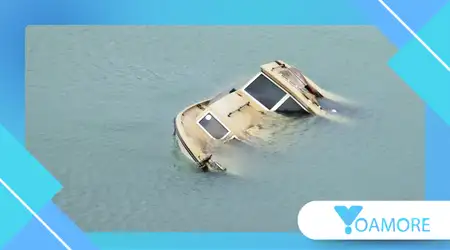
El El hundimiento del Sultana Sirve como un sombrío recordatorio de cómo la falta de supervisión y el capitalismo no regulado pueden provocar pérdidas humanas a gran escala que podrían haberse evitado.
Si bien el Titanic sigue siendo el naufragio marítimo más famoso, el Sultana sigue siendo una tragedia estadounidense más letal, lo que impulsó mejoras posteriores en las inspecciones de seguridad de las calderas.
Los esfuerzos actuales de la Sociedad para la Preservación Histórica de Sultana continúan educando al público sobre las víctimas y las duras realidades de la era posterior a la Guerra Civil.
Recordar este suceso nos ayuda a valorar la importancia de la ética profesional y las normas de seguridad en cualquier industria, incluidos los sectores del transporte moderno y la ingeniería remota.
¿Cuándo se localizaron finalmente los restos del avión?
Los restos del barco permanecieron ocultos durante más de un siglo, enterrados bajo capas de limo y lodo a medida que el río Misisipi cambiaba su curso.
En 1982, una expedición liderada por Jerry Potter localizó los restos de la embarcación en un campo de soja en la orilla de Arkansas del río.
Debido a que el río cambió su curso de manera tan significativa desde 1865, el sitio ya no está bajo el agua, lo que permite a los investigadores estudiar el casco utilizando un radar de penetración terrestre.
Estos hallazgos confirmaron los relatos históricos del incendio y los enormes daños estructurales causados por la explosión inicial que destrozó el barco.
+ La guerra olvidada que duró 38 minutos
Conclusión
El El hundimiento del Sultana Es un capítulo conmovedor de la historia estadounidense que pone de relieve la intersección entre la ambición tecnológica y la falibilidad humana durante una crisis.
Para comprender este suceso, debemos mirar más allá de las cifras y reconocer las historias individuales de los soldados que estuvieron a punto de regresar a casa con sus familias.
Al analizar la historia, aprendemos que la transparencia, la rendición de cuentas y la priorización de la vida humana sobre el lucro son lecciones que siguen siendo relevantes en 2026.
Al honrar la memoria de los fallecidos, garantizamos que las lecciones aprendidas de la mayor tragedia del Misisipi nunca sean olvidadas por las generaciones futuras.
FAQ: Preguntas frecuentes
¿Alguien fue juzgado por el desastre?
Solo una persona, el capitán Frederic Speed, fue sometida a consejo de guerra por su papel en el hacinamiento, pero su condena fue finalmente anulada por el Auditor General de la Academia Militar.
¿Fue el desastre causado por un sabotaje confederado?
Si bien un antiguo agente confederado afirmó en una ocasión haber colocado un "torpedo de carbón" en el barco, la mayoría de los historiadores coinciden en que la causa sigue siendo un fallo mecánico.
¿Cómo lograron los supervivientes llegar a la orilla?
Los supervivientes se aferraron a trozos de la cubierta de madera, a los muebles e incluso a mulas muertas para mantenerse a flote en las gélidas aguas hasta que fueron rescatados por otros barcos fluviales.
¿Por qué el número de víctimas mortales del Titanic no fue mayor que el del Sultana?
El Titanic tuvo más víctimas en general, pero el El hundimiento del Sultana Sigue siendo el desastre marítimo más mortífero que ha involucrado específicamente a un buque con bandera de los Estados Unidos.
¿Dónde puedo ver objetos del barco?
El Museo del Desastre del Sultana en Marion, Arkansas, alberga una importante colección de objetos, maquetas y registros genealógicos detallados de los pasajeros y la tripulación.