Resultados de la búsqueda ""

194 Resultados encontrados para tu búsqueda

Knocking on Wood: The Origins of a Global Tradition. Coincidencia

Tocando madera: los orígenes de una tradición global.

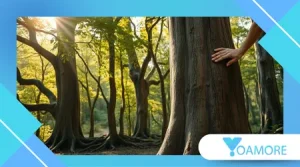
The act of knocking on wood represents a deeply ingrained superstition present in many cultures around the world. It serves as an apotropaic ritual intended to ward off bad luck or evil spirits while simultaneously inviting positive fortunes. Understanding the origins of knocking on wood unveils an intriguing history that bridges both pagan customs and… <a class="read-more" href="https://yoamore.com/mx/knocking-on-wood-the-origins-of-a-global-tradition/">Continuar leyendo</a>
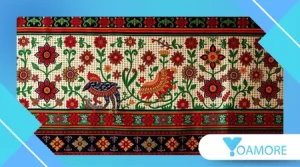
The Hmong: A Culture of Quilts and Stories. Coincidencia
Microculturas

Los Hmong: una cultura de colchas e historias.

The Hmong culture is rich and colorful, shown through their beautiful quilt-making. These quilts are more than just textiles; they tell stories. Each one captures important moments and the heart of Hmong traditions. Quilts are key in keeping Hmong stories alive. They show scenes of everyday life and their journey from Laos. These quilts are… <a class="read-more" href="https://yoamore.com/mx/the-hmong-a-culture-of-quilts-and-stories/">Continuar leyendo</a>
Salt Over the Shoulder: A Symbol of Purification and Luck. Coincidencia

Sal sobre el hombro: símbolo de purificación y suerte.

The act of tossing salt over the shoulder is a deeply ingrained superstition, often associated with themes of purification and good luck. This intriguing practice finds its roots in ancient traditions and cultures, illustrating how something as simple as a grain can carry significant cultural weight. Historically, salt has been a precious commodity, essential for… <a class="read-more" href="https://yoamore.com/mx/salt-over-the-shoulder-a-symbol-of-purification-and-luck/">Continuar leyendo</a>
The Sea Nomads: Bajau People and Their Underwater Adaptations. Coincidencia
Microculturas

Los nómadas del mar: el pueblo Bajau y sus adaptaciones submarinas.

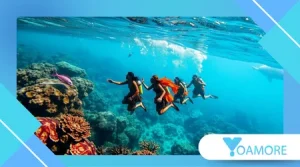
The Bajau people, known as sea nomads, live in Southeast Asia’s coastal waters. They are found mainly in the Philippines, Malaysia, and Indonesia. They have amazing skills for diving deep to find fish and pearls. They spend more than five hours underwater every day. They can hold their breath for up to three minutes. Freediving… <a class="read-more" href="https://yoamore.com/mx/the-sea-nomads-bajau-people-and-their-underwater-adaptations/">Continuar leyendo</a>
Why Whistling at Night Is Taboo in Some Cultures. Coincidencia

Por qué silbar de noche es tabú en algunas culturas.

Across the globe, the act of whistling at night is often steeped in a myriad of cultural superstitions. Many societies hold that whistling after dark invites evil spirits, making it a taboo practice associated with bad luck and misfortune. From Turkey to Japan, whistling at night reflects deeper narratives tied to folklore and the supernatural,… <a class="read-more" href="https://yoamore.com/mx/why-whistling-at-night-is-taboo-in-some-cultures/">Continuar leyendo</a>
Mirror Superstitions: Breaking Glass and Seven Years of Bad Luck. Coincidencia

Supersticiones del espejo: cristales rotos y siete años de mala suerte.

The world of mirror superstitions is as intriguing as it is ancient, with the belief that breaking mirrors leads to seven years of bad luck tracing back between 2,000 and 2,700 years. Many cultures, particularly the Romans, believed that damaging a mirror could invoke the wrath of the gods, imbuing individuals with misfortune. This idea… <a class="read-more" href="https://yoamore.com/mx/mirror-superstitions-breaking-glass-and-seven-years-of-bad-luck/">Continuar leyendo</a>
Welsh: A Revival Story in Modern Britain. Coincidencia

Galés: una historia de renacimiento en la Gran Bretaña moderna.

The Welsh Revival of 1904-1905 was a key moment in modern Britain. It was a time of great cultural and spiritual growth in Wales. Evan Roberts led this movement, changing towns and communities. He also made people more interested in the Welsh language and culture. Earlier, a 15-year-old girl named Mary Jones walked 25 miles… <a class="read-more" href="https://yoamore.com/mx/welsh-a-revival-story-in-modern-britain/">Continuar leyendo</a>
Languages with No Word for “Blue”: A Study in Color Perception. Coincidencia

Idiomas sin palabra para “azul”: un estudio sobre la percepción del color.

Color perception changes a lot across different languages and cultures. Our eyes can see over two million colors, but many languages can’t name them all. The idea that some languages don’t have a word for “blue” shows us interesting things about language and color. The World Color Survey found that languages like Korean and Russian… <a class="read-more" href="https://yoamore.com/mx/languages-with-no-word-for-blue-a-study-in-color-perception/">Continuar leyendo</a>
The Battle of Cajamarca and the Fall of the Inca Empire. Coincidencia

La batalla de Cajamarca y la caída del Imperio Inca.

The Battle of Cajamarca was a key moment in South American history. It was when Francisco Pizarro’s Spanish conquistadors faced off against the Inca Empire. On November 16, 1532, 168 Spanish soldiers met an Inca army of about 80,000 warriors. This battle was a turning point. It changed the Inca Empire, which once covered 1,800,000… <a class="read-more" href="https://yoamore.com/mx/the-battle-of-cajamarca-and-the-fall-of-the-inca-empire/">Continuar leyendo</a>
The Evil Eye: Beliefs Across Cultures. Coincidencia

El mal de ojo: creencias entre culturas.

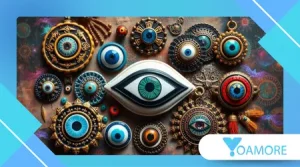
The evil eye is an ancient superstition deeply rooted in diverse cultural beliefs worldwide. It is known for its association with a malevolent glare believed to bring misfortune or injury, mainly driven by envy. This belief traces back approximately 5,000 years to the ancient civilizations of Mesopotamia. The first recorded instances were marked on clay… <a class="read-more" href="https://yoamore.com/mx/the-evil-eye-beliefs-across-cultures/">Continuar leyendo</a>