El impacto de la ética de la clonación de voz mediante IA en las lenguas minoritarias.
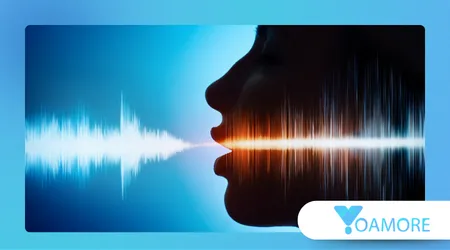
La preservación de la diversidad lingüística ha entrado en una extraña e inquietante frontera digital. A medida que la tecnología de audio sintético avanza a pasos agigantados, la intersección entre el patrimonio cultural y la computación pura genera una fricción que las comunidades indígenas sienten primero y con mayor intensidad.
Anuncios
No se trata solo de salvar palabras; se trata de quién posee los derechos sobre la esencia misma de una cultura. Nos encontramos ante un delicado equilibrio entre la preservación digital y la explotación descarada, donde las nociones tradicionales de propiedad intelectual se desmoronan rápidamente.
A continuación, analizamos las líneas divisorias de este cambio, desde el consentimiento de la comunidad hasta la soberanía de los datos.
El objetivo es trazar vías prácticas y respetuosas que permitan que la tecnología ayude a la preservación sin usurpar la voz autoral de los hablantes nativos.
Resumen
- Introducción: La frontera digital de la clonación de voz y su amenaza para las lenguas minoritarias.
- El núcleo ético¿Por qué los derechos de autor tradicionales no se ajustan a las tradiciones orales y por qué el consentimiento de la comunidad es obligatorio?.
- Vulnerabilidad lingüísticaCómo la extracción de pequeños conjuntos de datos conduce a la distorsión y el borrado cultural.
- Soberanía de datos: La explotación corporativa de las voces ancestrales y los marcos de protección.
- Soluciones y acciones: Límites éticos, gobernanza cooperativa y el papel de los profesionales digitales.
- Preguntas frecuentesRespuestas prácticas sobre riesgos, lagunas legales y cobro responsable.
¿Cuál es la esencia de la ética en la clonación de voz mediante IA?
La proliferación de herramientas de audio generativo nos obliga a replantearnos el verdadero significado de la propiedad digital. Durante generaciones, los marcos tradicionales de derechos de autor se basaron en estructuras corporativas, lo que los hace particularmente ineficaces para proteger las tradiciones orales y fluidas de los dialectos en peligro de extinción.
Anuncios
Cuando los desarrolladores de Silicon Valley crean modelos de voz sintética, suelen priorizar el volumen de datos sobre el consentimiento de la comunidad.
Aquí se observa un patrón preocupante: los datos lingüísticos públicos se recopilan silenciosamente, se les elimina su contexto cultural y se procesan sin que nadie pida permiso.
Ético Ética de la clonación de voz mediante IA Exigen que los grupos indígenas mantengan la soberanía absoluta sobre su patrimonio auditivo registrado.
Sin límites legales estrictos, las entidades comerciales seguirán tratando a estos lenguajes vivos y vulnerables como materia prima gratuita para el aprendizaje automático.
Debemos analizar quién se beneficia realmente de estas voces sintéticas. La verdadera sostenibilidad solo se logra cuando quienes mantienen viva una lengua son quienes controlan su monetización y difusión en línea.
¿Por qué los dialectos en peligro de extinción son vulnerables a la explotación mediante audio sintético?
Las lenguas minoritarias carecen de la enorme y extensa huella digital que protege a las principales lenguas mundiales de los modelos automatizados deficientes.
Debido a que sus bases de datos son minúsculas, un solo conjunto de datos comprometido puede distorsionar la huella digital de todo un dialecto.
Las plataformas tecnológicas suelen extraer información de archivos públicos, tratando las narrativas culturales sensibles como si fueran código abierto.
Esta negligencia produce un habla sintética imprecisa, creando una versión hueca y corrupta de un idioma que diluye activamente su estructura auténtica.
Este desequilibrio de poder significa que las empresas externas pueden lanzar fácilmente voces clonadas, dejando a los oradores originales sin absolutamente nada.
Fijación Ética de la clonación de voz mediante IA significa construir barreras técnicas y legales defensivas antes de que los datos salgan de la comunidad.
La protección no es un lujo; es lo mínimo indispensable para evitar que la tecnología se convierta en una herramienta para la aniquilación cultural.
+ Cómo un canal de YouTube revivió el idioma chickasaw.
¿Cómo afecta la síntesis de voz a la soberanía de los datos indígenas?
La soberanía de los datos es sencilla: las comunidades deben controlar su propia información, desde su recopilación hasta su uso.
El audio sintético lo estropea todo por completo al convertir el patrimonio oral sagrado en activos corporativos empaquetados y patentados.
Cuando las empresas de software patentan modelos de habla basados en dialectos poco comunes, las comunidades nativas se ven excluidas de su propio legado.
+ De lo prohibido a lo celebrado: el viaje político de la lengua galesa
Métricas clave de soberanía de datos
| Familia de lenguas | Hablantes nativos estimados | Riesgos documentados de explotación digital | Marco de protección recomendado |
| Ainu (Japón) | Menos de 50 | Alta vulnerabilidad al web scraping comercial | Acceso estricto al archivo gestionado por la comunidad |
| Guaraní (Sudamérica) | 6 millones | Apropiación de marca corporativa mediana | Licencias de código abierto con veto indígena |
| Sami (norte de Europa) | 30,000 | Alta distorsión de la traducción sintética | Alojamiento y gobernanza de servidores localizados |
¿Qué marcos de trabajo protegen a los lenguajes de programación poco comunes de la clonación poco ética?
Los modelos de gobernanza cooperativa ofrecen una salida realista a este círculo vicioso de explotación. Al integrar directamente a los líderes indígenas en el proceso de desarrollo tecnológico, podemos detectar y bloquear las prácticas abusivas mucho antes de que el software llegue al mercado.
- Priorizar Recopilación de datos gestionada por la comunidad en lugar de mediante bots automatizados de extracción de datos web.
- Establecer Mecanismos directos y a largo plazo de participación en los beneficios para los hablantes nativos locales.
- Implementar Marcas de agua digitales permanentes para rastrear e identificar el habla regional sintetizada.
Integrar estas salvaguardias en los flujos de trabajo de aprendizaje automático protege los frágiles ecosistemas lingüísticos de los excesos corporativos.
Acuerdo Ética de la clonación de voz mediante IA El hecho de que las herramientas digitales estén en el centro del desarrollo garantiza que se genere riqueza comunitaria en lugar de destruirla.
¿Cómo pueden los profesionales digitales apoyar la IA lingüística ética?
Los profesionales independientes y los creadores digitales tienen más influencia de la que creen. Los ingenieros y estrategas de contenido deben aprender a rechazar proyectos basados en datos de voz recopilados sin consentimiento de grupos marginados.
La preservación lingüística debe centrarse en gran medida en modelos locales de código abierto que permanezcan bajo la gobernanza de la comunidad.
Esta estructura garantiza que los hablantes nativos decidan exactamente cómo, cuándo y dónde se utilizan sus voces en línea.
“La verdadera innovación en tecnología lingüística respeta los límites de los hablantes que mantuvieron vivo el dialecto.”
Impulsar hacia algo mejor Ética de la clonación de voz mediante IA Esto obliga al mercado tecnológico a valorar el capital humano por encima de la automatización barata. La conciencia ética convierte a los profesionales digitales en auténticos aliados para la supervivencia lingüística.
+ ¿Por qué algunos idiomas no tienen una palabra para "tiempo"?“
Conclusión
La colisión entre el habla sintética y la desaparición de los dialectos demuestra que no podemos permitir que la tecnología supere la responsabilidad humana.
Para preservar las lenguas raras es necesario ir más allá de la explotación de datos y adentrarse en una colaboración digital auténtica, liderada por la comunidad.
Cuando priorizamos la soberanía de los datos y el consentimiento real, creamos herramientas que realmente revitalizan las lenguas que están desapareciendo.
Para ver cómo funcionan estos esfuerzos de preservación global sobre el terreno, consulte la documentación en el Sociedad Lingüística de América.
Preguntas frecuentes
¿Cuáles son los principales riesgos de la clonación de voz no autorizada para lenguas poco comunes?
La clonación no autorizada conlleva distorsión cultural, robo de la soberanía de los datos y explotación empresarial, lo que permite a empresas externas lucrarse con un patrimonio cultural sin el permiso de la comunidad.
¿Cómo pueden las empresas tecnológicas garantizar la recopilación ética de datos?
Las empresas deben establecer alianzas directas con los grupos indígenas, obtener el consentimiento explícito de la comunidad y fijar un reparto transparente de los beneficios antes de grabar o modelar cualquier dialecto.
¿Por qué la legislación estándar sobre derechos de autor no protege los dialectos en peligro de extinción?
Los derechos de autor estándar protegen a los creadores individuales y a las entidades corporativas, no al patrimonio colectivo. Las tradiciones orales y los dialectos ancestrales simplemente no encajan en las definiciones legales occidentales tradicionales.