
Los serenos del sur de Europa y sus códigos informales
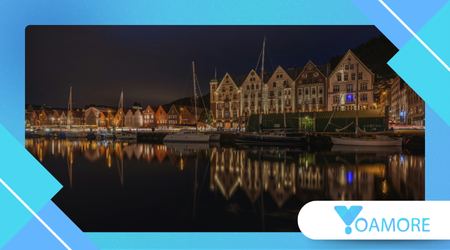
A medida que el crepúsculo se profundiza sobre las calles adoquinadas de la Península Ibérica, Los serenos del sur de Europa y sus códigos informales cobrar vida.
Anuncios
Estas cifras representan una microcultura fascinante y persistente que desafía la automatización moderna.
Mientras los sistemas de seguridad digital monitorean el mundo, estos guardianes humanos ofrecen algo que los algoritmos no pueden: comunidad, vigilancia personalizada y una presencia humana tranquilizadora en los momentos más oscuros.
Este artículo explora el legado perdurable y la adaptación moderna de estos centinelas. Descubriremos cómo operan hoy y por qué sus reglas informales siguen vigentes en 2025.
Resumen
- ¿Qué es un sereno en el contexto del sur de Europa?
- ¿Por qué surgieron las tradiciones del “Sereno” y el “Guarda-Noturno”?
- ¿Cómo funcionan sus códigos y señales informales?
- ¿Qué distingue al sereno español del guarda-noturno portugués?
- Tabla comparativa: diferencias operativas
- ¿Cómo ha impactado la tecnología a esta microcultura en 2025?
- ¿Dónde todavía se puede vivir esta tradición?
- Conclusión
- Preguntas frecuentes (FAQ)
¿Qué es un sereno en el contexto del sur de Europa?
Podrían confundirse con seguridad privada, pero su función es mucho más compleja. Estos guardianes son elementos fijos del vecindario, que combinan la vigilancia con el servicio comunitario.
Anuncios
En España se les conoce históricamente como SerenosEn Portugal se les llama Guardas-NoturnosSu autoridad no proviene sólo de leyes, sino de una profunda confianza local.
No se limitan a patrullar zonas; habitan el ecosistema del barrio. Un vigilante sabe qué coche pertenece a qué casa. Se da cuenta de cuándo cambia una rutina.
Este conocimiento les permite detectar anomalías al instante. Actúan como intermediarios entre la policía y los ciudadanos. A menudo, su sola presencia disuade los delitos menores sin violencia.
Se están desarrollando versiones modernas de estas figuras. Algunas forman parte de proyectos municipales de inclusión social. Otras operan como profesionales independientes con licencia de la policía nacional.
+ Los recolectores urbanos de la ciudad de Nueva York: microcultura en junglas de concreto
¿Por qué surgieron las tradiciones del “Sereno” y el “Guarda-Noturno”?
Para comprender sus códigos, debemos observar la infraestructura del siglo XIX. El alumbrado público era prácticamente inexistente o dependía de tenues farolas de gas.
Los propietarios no tenían llaves individuales para las puertas del edificio principal. Solo las Sereno Tenía las llaves maestras. Si llegabas tarde a casa, lo necesitabas.
Te parabas en la calle y aplaudías. El vigilante salía de entre las sombras, golpeando el pavimento con su bastón, para dejarte entrar.
Esto creó una relación de dependencia. El vigilante se convirtió en el guardián de los secretos y los horarios. Sabía quién llegaba tarde y quién tenía visitas ilegales.
Además de su accesibilidad, servían como servicios de emergencia primitivos. Buscaban médicos para los enfermos. Alertaban a los farmacéuticos durante las emergencias nocturnas. Despertaban a los trabajadores para los turnos de la mañana.
¿Cómo funcionan sus códigos y señales informales?
El Los serenos del sur de Europa y sus códigos informales Confía en una comunicación sutil. Estas señales mantienen el orden sin generar alarma pública.
La invocación acústica
Antiguamente, se desaconsejaba gritar por la noche. Los españoles usaban un aplauso rítmico y agudo. Los portugueses solían usar un silbido específico.
La señal luminosa
Hoy en día, los residentes pueden encender la luz de su porche para llamar la atención. El vigilante responde con un patrón de luz específico. Este diálogo silencioso confirma la seguridad.
Protocolos de estacionamiento
En Lisboa, la posición específica de un coche podría indicar una solicitud. Si un residente aparca ligeramente desviado, el guardia sabe que debe vigilar de cerca ese vehículo.
La etiqueta de pago
El pago suele ser voluntario, pero socialmente obligatorio. En Portugal, colocar una pegatina en el buzón indica que se es contribuyente. Es un contrato tácito de respeto mutuo.
Quienes no pagan siguen estando protegidos, pero quienes contribuyen reciben atención especial. Esto incluye acompañar a los residentes desde su coche hasta la puerta de su casa.
+ Aldea de los Gemelos: La microcultura de Igbo-Ora, Nigeria
¿Qué distingue al sereno español del guarda-noturno portugués?
España y Portugal comparten frontera, pero su enfoque de esta microcultura difiere significativamente. Comprender esta distinción es crucial para la precisión cultural.
El renacimiento español
El clásico sereno español desapareció prácticamente en la década de 1970 debido a los sistemas de portero automático. Sin embargo, ciudades como Murcia y Gijón los recuperaron recientemente.
Estos españoles modernos Serenos Se centran en el bienestar social. Acompañan a las personas mayores, controlan los comercios cerrados y denuncian las quejas por ruido. Suelen ser empleados municipales.
La resiliencia portuguesa
Portugal tomó un camino diferente. La Guarda-Noturno nunca desapareció. En cambio, la profesión sigue regulada por la PSP (Policía de Seguridad Pública).
Son particulares con estatus semioficial. Visten uniforme, portan porras y conducen vehículos identificados. Son contratistas independientes que prestan servicios en zonas específicas.
Esta validez profesional hace que el modelo portugués sea único en Europa. Combina la iniciativa privada con la supervisión pública.
Tabla comparativa: diferencias operativas
La siguiente tabla utiliza datos reales del año 2024-2025 sobre el estado operativo de estas figuras en la Península Ibérica.
| Característica | Guarda-Noturno portugués | Sereno español moderno (Renacimiento) |
| Estatus legal | Con licencia de la Policía Nacional (PSP) | Empleado municipal / Trabajador social |
| Ingresos primarios | Cuotas mensuales voluntarias de los residentes | Salario del Ayuntamiento |
| Uniforme | Uniforme y insignia oficiales | Chaleco de alta visibilidad / Uniforme de ciudad |
| Armas | Bastón / Esposas (reguladas) | Ninguno (normalmente) |
| Rol principal | Disuasión del delito y protección de activos | Asistencia social y control del ruido |
| Tecnología | Grupos de WhatsApp y seguimiento GPS | Radio directa al Ayuntamiento |
¿Cómo ha impactado la tecnología a esta microcultura en 2025?

Se podría pensar que la tecnología vuelve obsoletos a los vigilantes humanos. Paradójicamente, la Los serenos del sur de Europa y sus códigos informales se han adaptado para prosperar.
Vigilancia vecinal de WhatsApp
El silbato ha sido reemplazado por la notificación push. Los vigilantes gestionan chats grupales cifrados para sus zonas específicas. Los residentes reportan actividad sospechosa al instante.
Cerraduras inteligentes y llaves maestras
Las llaves maestras físicas están desapareciendo. Los vigilantes modernos suelen llevar llaveros digitales o códigos de acceso proporcionados por la administración del edificio. Esto aumenta la responsabilidad.
Drones y vigilancia
Algunas asociaciones avanzadas en distritos ricos están probando el uso de drones. Sin embargo, las regulaciones en la UE siguen siendo estrictas en cuanto a privacidad. El ojo humano sigue siendo la herramienta principal.
Presencia en redes sociales
Los vigilantes más jóvenes usan las redes sociales para promocionar su trabajo. Publican informes nocturnos (anónimos) para demostrar su valor a los residentes que no pagan. Esto es marketing moderno para un oficio ancestral.
+ Los gauchos argentinos y el código de honor rural
¿Cuáles son los desafíos éticos que enfrentan?
Esta microcultura opera en una zona gris. La línea entre la vigilancia y la intrusión en la privacidad es delgada. La confianza es la única moneda que importa.
A los residentes les preocupa el aspecto del "Gran Hermano". Un vigilante conoce sus hábitos, sus invitados y sus vacaciones. El secreto profesional es su código más importante.
En España, los programas de reactivación hacen hincapié en una estricta protección de datos. El moderno Sereno está capacitado para respetar rigurosamente las leyes de privacidad (GDPR).
En Portugal, la supervisión policial mitiga la corrupción. Guarda-Noturno Pueden perder su licencia por violar la confidencialidad. Esta supervisión preserva la integridad de la profesión.
¿Dónde podemos encontrar todavía hoy a estos guardianes?
Si desea observar este fenómeno cultural, debe saber dónde buscar. No es omnipresente en toda la península.
Lisboa, Portugal
Barrios como Lapa, Restelo y Alvalade cuentan con vigilantes muy activos. Busque las pegatinas de "Guarda Noturno" en los buzones. Verá sus patrullas por la noche.
Murcia, España
Murcia fue pionera en la recuperación del Sereno. Patrullan el centro de la ciudad, centrándose en ayudar a turistas y personas mayores. Son fácilmente identificables por sus chalecos.
Santa Coloma de Gramenet, España
Esta ciudad catalana implementó un programa similar. Su objetivo es mejorar la percepción de seguridad y fomentar la convivencia comunitaria.
Oporto, Portugal
La capital del norte también mantiene una sólida red. La topografía de la ciudad permite que el patrullaje humano sea más eficaz que las cámaras estáticas.
¿Por qué las comunidades todavía pagan por este servicio?
En una época de altos impuestos y fuerzas policiales, el pago voluntario parece contradictorio. Sin embargo, el modelo persiste. La razón es la comodidad psicológica.
Las patrullas policiales son reactivas. Llegan después de que ocurre un delito. El vigilante es preventivo. Ya está presente antes del incidente.
Los residentes valoran la conserjería. Un vigilante podría cerrar una ventanilla abierta. Podría avisarte si se te rompe la tubería de agua a las 3 de la madrugada.
Este servicio va más allá de la seguridad. Fomenta un sentido de pertenencia. En una sociedad moderna fragmentada, el vigilante es un hilo conductor.
Conclusión
El Los serenos del sur de Europa y sus códigos informales Son más que reliquias. Son una respuesta resiliente a la naturaleza impersonal de la vida urbana moderna.
Ya sea a través de la profesionalidad estructurada de los portugueses Guarda-Noturno o el enfoque social del español SerenoPersisten. Refuerzan la brecha entre la seguridad pública y la comunidad privada.
Sus códigos informales —los gestos de asentimiento, la confianza, los acuerdos tácitos— nos recuerdan que la seguridad es fundamentalmente humana. Mientras la gente valore la conexión personal, estos guardianes seguirán presentes.
Preguntas frecuentes (FAQ)
¿Cuál es la diferencia entre un Sereno y un policía?
Un Sereno (o Guarda-Noturno) es un civil con autorizaciones específicas. No tiene plenas facultades policiales para arrestar, pero trabaja en estrecha colaboración con las fuerzas del orden para disuadir la delincuencia.
¿Son legales los Vigilantes Nocturnos en 2025?
Sí, concretamente en Portugal, donde están regulados por el PSP. En España, son empleados municipales legales en ciudades específicas que han reactivado el programa.
¿Cómo contratar un Guarda-Noturno en Portugal?
No se contratan individualmente. Se asignan a zonas específicas. Puedes suscribirte a su servicio contactando al vigilante de tu barrio.
¿Aún llevan llaves de todos los edificios?
Esta práctica es menos común hoy en día debido a los riesgos de seguridad y cerraduras electrónicas. Sin embargo, a menudo tienen códigos de acceso o llaves para puertas comunes en comunidades cerradas.
¿Es seguro acercarse a ellos durante la noche?
Sí, son funcionarios públicos. En España y Portugal, suelen ser serviciales y accesibles, y sirven como punto de contacto para solicitar asistencia.