Search results for "superstition"

97 results found for your search

Lucky and Unlucky Colors: Cultural Meanings Around the World Match

Lucky and Unlucky Colors: Cultural Meanings Around the World

Discover how lucky colors influence fortunes globally! Unveil the hues that bring prosperity and those best avoided in different cultures.
Why Do Some Cultures Fear the Number 13? Match

Why Do Some Cultures Fear the Number 13?

The fear of the number 13, known as triskaidekaphobia, weaves a complex tapestry of cultural superstitions that span generations and continents. This superstition is rich with historical origins, mythological influences, and various interpretations across cultures. It is most famously linked to the Last Supper, where Jesus and his 12 apostles convened, making the number 13… <a class="read-more" href="https://yoamore.com/why-do-some-cultures-fear-the-number-13/">Continuar lendo</a>
Knocking on Wood: The Origins of a Global Tradition. Match

Knocking on Wood: The Origins of a Global Tradition.

The act of knocking on wood represents a deeply ingrained superstition present in many cultures around the world. It serves as an apotropaic ritual intended to ward off bad luck or evil spirits while simultaneously inviting positive fortunes. Understanding the origins of knocking on wood unveils an intriguing history that bridges both pagan customs and… <a class="read-more" href="https://yoamore.com/knocking-on-wood-the-origins-of-a-global-tradition/">Continuar lendo</a>
Salt Over the Shoulder: A Symbol of Purification and Luck. Match

Salt Over the Shoulder: A Symbol of Purification and Luck.

The act of tossing salt over the shoulder is a deeply ingrained superstition, often associated with themes of purification and good luck. This intriguing practice finds its roots in ancient traditions and cultures, illustrating how something as simple as a grain can carry significant cultural weight. Historically, salt has been a precious commodity, essential for… <a class="read-more" href="https://yoamore.com/salt-over-the-shoulder-a-symbol-of-purification-and-luck/">Continuar lendo</a>
Why Whistling at Night Is Taboo in Some Cultures. Match

Why Whistling at Night Is Taboo in Some Cultures.

Across the globe, the act of whistling at night is often steeped in a myriad of cultural superstitions. Many societies hold that whistling after dark invites evil spirits, making it a taboo practice associated with bad luck and misfortune. From Turkey to Japan, whistling at night reflects deeper narratives tied to folklore and the supernatural,… <a class="read-more" href="https://yoamore.com/why-whistling-at-night-is-taboo-in-some-cultures/">Continuar lendo</a>
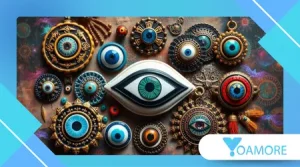
The Evil Eye: Beliefs Across Cultures. Match

The Evil Eye: Beliefs Across Cultures.

The evil eye is an ancient superstition deeply rooted in diverse cultural beliefs worldwide. It is known for its association with a malevolent glare believed to bring misfortune or injury, mainly driven by envy. This belief traces back approximately 5,000 years to the ancient civilizations of Mesopotamia. The first recorded instances were marked on clay… <a class="read-more" href="https://yoamore.com/the-evil-eye-beliefs-across-cultures/">Continuar lendo</a>
The Dancing Plague of 1518: A Mysterious Epidemic of Dance. Match

The Dancing Plague of 1518: A Mysterious Epidemic of Dance.

In the summer of 1518, Strasbourg faced a strange and scary event. The Dancing Plague turned regular people into dancers against their will. This epidemic spread quickly, causing a lot of harm. It started with one woman dancing in the square. Soon, many others joined her, dancing non-stop. This went on for days, claiming hundreds… <a class="read-more" href="https://yoamore.com/the-dancing-plague-of-1518-a-mysterious-epidemic-of-dance/">Continuar lendo</a>