Why oral genealogy traditions depend on endangered languages
Preserving deep historical memory relies entirely on oral genealogy traditions, a practice where ancestral lineages and cultural identities survive through spoken narratives, specialized chants, and familial recitations.
Anúncios
Linguistic diversity acts as the sole vault holding these unique lineage structures. Loss of rare dialects immediately threatens how communities record heritage, store local history, and pass identity down to future generations.
Below, we examine how spoken lineages function, why language loss erodes historical knowledge, real preservation efforts, structured data metrics, actionable recording strategies, and answers to common community questions.
What are oral genealogy traditions and how do they function?
Long before digital databases existed, human societies developed complex verbal frameworks to trace familial lineages. Skilled storytellers used poetic meters, mnemonic devices, and precise vocal rhythms to memorize generations of family history accurately.
Indigenous cultures across West Africa, the Pacific Islands, and South America rely on dedicated historians—such as Griots—who recite hundreds of years of lineage data during critical social ceremonies and legal disputes.
Anúncios
These spoken records do far more than list names. They encode geographical migrations, historical property boundaries, ancient climate events, and traditional legal arrangements directly into specialized kinship terms and idiomatic spoken formulas.
When a language disappears, the intricate grammatical structures that hold these memories dissolve. Grammatical cases often define exact lineage relationships that modern global languages simply cannot translate without losing essential context.
Why do oral genealogy traditions face extinction today?
Rapid globalization and linguistic homogenization drive thousands of indigenous languages toward silence. According to official data maintained by UNESCO Atlas of World Languages
, over forty percent of the world’s estimated seven thousand spoken languages face immediate extinction risks.
As younger generations migrate to urban centers, dominant national tongues replace native dialects. This shift breaks the continuous intergenerational transmission required to maintain spoken historical archives intact across sequential decades.
Modern digital media ecosystems rarely accommodate indigenous tongues. Without functional software, educational materials, or media platforms operating in minority languages, youth naturally gravitate toward mainstream global languages for professional advancement.
Consequently, when elderly lineage holders pass away without trained successors, centuries of unwritten family records disappear permanently within a single generation, leaving irreparable voids in global human heritage archives.
How do endangered languages preserve unique historical knowledge?
Indigenous tongues contain specific vocabularies tailored to local environments, social hierarchies, and complex family structures. English or Spanish often lack exact equivalent words for nuanced kinship ties embedded within native speech patterns.
For instance, Polynesian oral lineages utilize distinct vocabulary terms that convey specific inheritance rights, social obligations, and navigational routes taken by ancestors centuries ago across oceans.
Furthermore, these specialized linguistic forms embed precise geographical coordinates through ecological descriptions. Reciting family lineages frequently doubles as mapping ancestral lands, naming extinct flora, and documenting localized historical weather patterns.
Losing these spoken systems forfeits critical historical documentation. Relying solely on translated written summaries strips away native nuances, emotional weight, and deep contextual accuracy preserved through centuries of oral genealogy traditions.
How do researchers verify the accuracy of oral genealogy traditions?
Cross-referencing spoken lineages with archaeological artifacts, ancient trade routes, and genetic mapping allows modern historians to confirm the astonishing precision of oral genealogy traditions passed down across generations.
Linguists analyze structural consistency and specialized vocabulary within chants to detect late modifications or missing historical entries over time.
There is an intriguing phenomenon here: spoken recall frequently proves more durable than physical parchment exposed to damp climates and historic fires.
Community consensus sessions also act as peer-review mechanisms where multiple elders must validate every single ancestor name recited publicly.
This collective verification ensures that unwritten family records maintain their factual integrity without relying on centralized written institutions.
++ How wedding songs language traditions preserve rare speech
Which regions lead global spoken preservation efforts?
Efforts to digitize fragile spoken archives are accelerating globally across vulnerable regions. Researchers collaborate closely with indigenous elders to capture high-fidelity audio recordings before irreplaceable elder knowledge permanently fades away.
| Region / Project | Target Languages | Key Focus Area | Preservation Method |
| Pacific Islands (Samoa, Tonga) | Polynesian Dialects | Chanted royal lineages and land rights | High-definition digital audio archives |
| West Africa (Mali, Senegal) | Manding languages (Griot roots) | Musical praise singing and historical epics | Community radio and field recordings |
| North America (Pacific NW) | Salishan & Na-Dene tongues | Clan structures and seasonal migrations | Interactive mobile dictionary apps |
| Amazon Basin (Brazil, Peru) | Tupian & Arawakan families | Mythological origins and tribal boundaries | Collaborative linguistic mapping tools |
When does a language loss permanently break an oral genealogy line?
The point of no return occurs when the final fluent speakers pass away without actively training apprentices to memorize complex ancestral chants.
Without living voices to project those distinct cadence rhythms, static dictionary translations fail to revive the precise kinship relationships embedded in original native speech.
This breakdown severs an irreplaceable line of living human transmission that no written archive can fully reconstruct.
Without living voices to project those distinct cadence rhythms, static dictionary translations fail to revive the precise kinship relationships embedded in original native speech.
This breakdown severs an irreplaceable line of living human transmission that no written archive can fully reconstruct.Once those verbal formulas disappear, families lose not just their names, but the entire historical map of their ancestral identity.
++ Why heritage dialect attrition accelerates after migration
What steps can communities take to record spoken history?
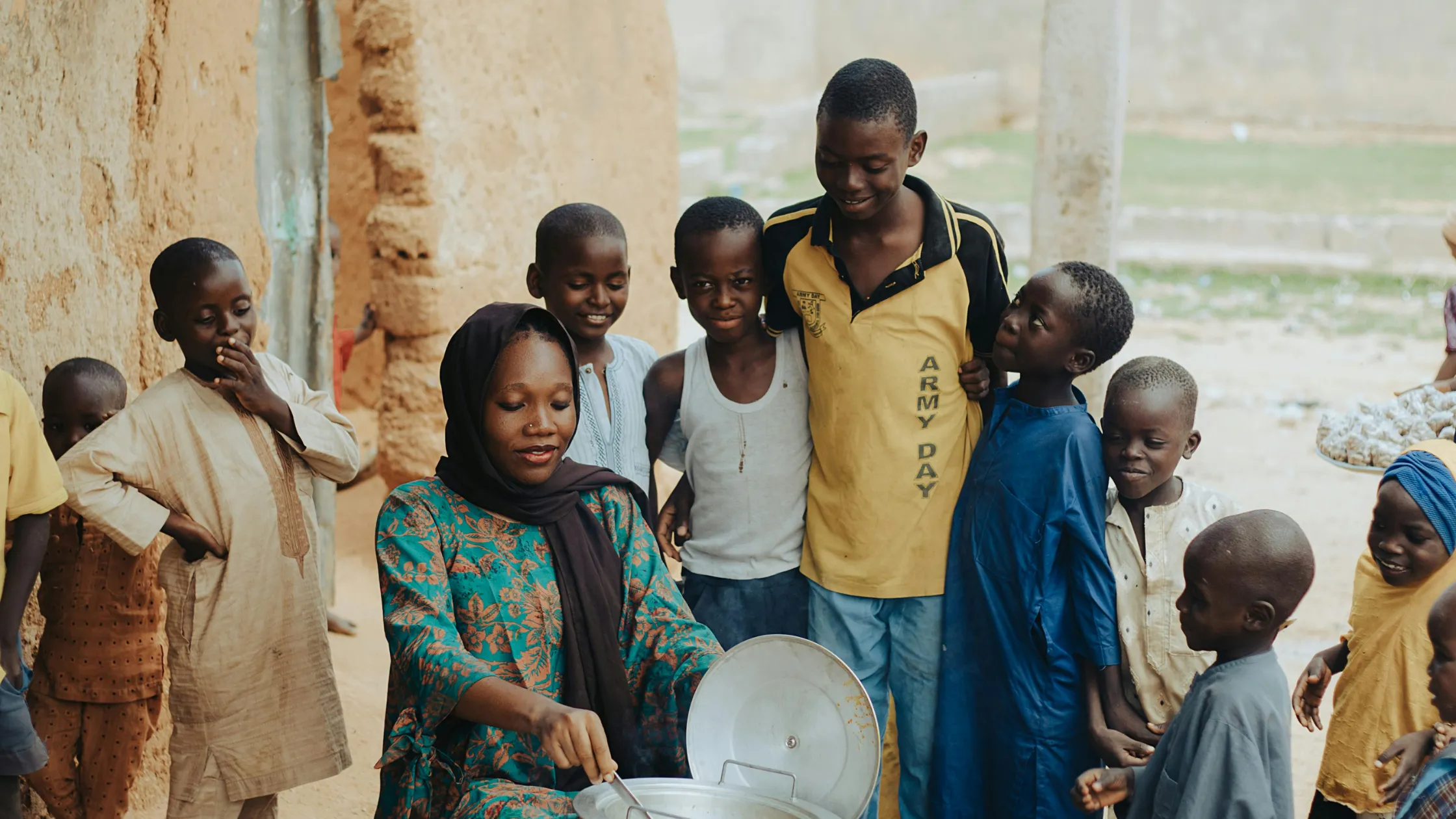
Preserving endangered spoken heritage requires immediate structured field action. Indigenous communities and independent researchers must adopt practical archiving workflows using accessible modern technology to capture authentic speech before vocal records vanish.
First, secure high-quality digital voice recorders or professional mobile applications capable of capturing uncompressed lossless audio files. Clear sound recording ensures future linguists can transcribe subtle tonal variations accurately.
Second, conduct structured interview sessions focusing on direct family trees, origin stories, land ownership boundaries, and traditional songs. Encourage speakers to use their native dialect exclusively without self-translating during interviews.
Third, store completed digital audio files in open-access institutional repositories such as the Endangered Languages Archive, ensuring local communities maintain ownership and control over their sensitive cultural data.
Finally, establish local youth mentorship programs where elders teach ancestral recitations directly to teenagers. Active human transmission remains the ultimate defense for sustaining long-term oral genealogy traditions.
Why preserving spoken history builds cultural resilience
Sustaining native languages ensures marginalized communities retain self-determination and deep connection to their origins. Knowing one’s precise lineage fosters psychological resilience, social cohesion, and strong collective identity among younger community members.
Spoken heritage also offers historical insights for global academic researchers. Historians, anthropologists, and climate scientists regularly consult ancient oral narratives to verify historical natural disasters, ancient trading networks, and megafauna extinctions.
When societies value and invest in linguistic preservation, they safeguard irreplaceable human wisdom. Every preserved dialect represents an alternative perspective on human organization, philosophy, and historical adaptation over millenniums.
Protecting these linguistic pathways directly secures human diversity. Supporting community-led language revitalization programs ensures future generations remain grounded in their authentic ancestral stories and shared historical roots.
++ How Local Farming Terminology Disappears from Daily Language
Frequently Asked Questions
What is the primary difference between written and oral genealogies?
Written genealogies rely on static physical documents or digital databases, whereas oral genealogies depend on living speakers reciting lineages dynamically through structured memory techniques, chants, and specialized linguistic formulas.
Can translated texts effectively preserve oral genealogical records?
Translations capture basic factual names but fail to preserve complex grammatical relationships, ecological nuances, emotional cadence, and specific cultural meanings embedded strictly within original native languages.
How does modern technology assist in saving endangered languages?
Digital audio recorders, cloud-based archiving platforms, artificial intelligence transcription tools, and mobile learning applications allow communities to record, organize, and distribute native spoken content quickly across global networks.
Summary of Spoken Heritage Preservation
Safeguarding endangered languages is fundamentally an act of protecting human history. Spoken ancestral records represent living libraries that connect contemporary communities with centuries of geographic, ecological, and familial knowledge.
As global speech patterns consolidate into dominant commercial languages, community-driven recording initiatives become increasingly vital. Investing in field archiving, youth education, and digital access ensures these ancient spoken systems endure indefinitely.
Every dialect saved keeps an invaluable human story alive. By supporting local linguistic programs, society protects the intricate wisdom embedded within worldwide oral genealogy traditions for all generations to come.