
Why Some Fishing Communities Believe Women Bring Storms to Sea
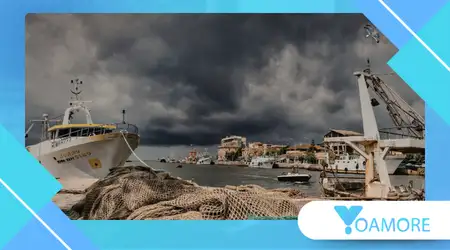
Some Fishing Communities Believe Women Bring Storms to the sea, a deep-seated superstition that has shaped maritime labor dynamics and gender roles within coastal regions for several centuries.
Anúncios
This cultural phenomenon provides a unique lens into how ancient fears, environmental unpredictability, and social structures intersect to create lasting myths that influence modern-day professional fishing industries globally.
In this article, we explore the origins of these beliefs, analyze the psychological impact of maritime folklore, and examine how modern science and social shifts are finally debunking these persistent legends.
Table of Contents
- Historical Origins of Maritime Gender Myths
- Why Some Fishing Communities Believe Women Bring Storms
- The Psychological Logic Behind Nautical Superstitions
- Modern Economic Impacts on Coastal Labor Markets
- Comparative Data: Traditional Beliefs vs. Modern Statistics
- How Contemporary Education is Changing Marine Culture
Why Some Fishing Communities Believe Women Bring Storms
For centuries, the ocean remained a masculine sanctuary where survival depended on strict adherence to ritual. The presence of women was often viewed as a dangerous disruption.
Ancient mariners believed that the sea was a temperamental feminine entity. Introducing another woman onto a vessel supposedly incited jealousy from the ocean, resulting in violent, life-threatening storms.
Anúncios
This specific superstition, that some fishing communities believe women bring storms, often served as a social tool. It effectively gatekept the industry, keeping high-risk, high-reward maritime jobs strictly male-dominated.
Furthermore, traditionalists argued that a woman’s presence distracted the crew from their duties. In a high-stakes environment where focus saves lives, distractions were equated with impending natural disasters.
By linking gender to meteorological events, coastal societies created a self-policing mechanism. Men who allowed women on board were often ostracized by their peers to prevent perceived collective bad luck.
+ Fear of Photographing Newborns in Certain Indigenous Communities
What is the Historical Origin of the “Jonah” Superstition?
The term “Jonah” refers to anyone perceived as a bringer of bad luck at sea. Historically, women were frequently cast in this role by superstitious naval officers and fishermen.
While the biblical Jonah was male, the maritime adaptation of the myth evolved. It targeted anyone who didn’t fit the traditional profile of a seasoned, rugged deep-sea sailor.
Historical records from the 18th century suggest that female passengers were often blamed for doldrums or hurricanes. Sailors claimed their “unnatural” presence disturbed the wind’s delicate balance.
Curiously, while a living woman was considered bad luck, a “topless” female figurehead on the ship’s prow was seen as essential to calm the angry, turbulent waters.
This paradox highlights the symbolic nature of these beliefs. Women were welcomed as silent wooden icons but feared as living, breathing professionals capable of claiming space on deck.
How Does Folklore Influence Modern Fishing Regulations?
In many parts of Southeast Asia and certain Atlantic islands, traditional taboos still subtly influence daily operations. Informal social codes often override official gender equality laws.
Local captains might refuse to hire female deckhands, citing the fear of “cursing the catch.” This practice persists despite there being no empirical evidence linking gender to fish yields.
These cultural barriers create significant hurdles for women seeking careers in marine biology or commercial fishing. They must often prove their “luck” before gaining the crew’s full trust.
According to the Food and Agriculture Organization of the United Nations (FAO), women make up nearly half of the global fisheries workforce, yet they remain largely invisible in offshore roles.
The transition from shore-based processing to active sea harvesting remains slow. Superstitions act as a psychological ceiling, preventing diverse talent from entering the most lucrative sectors of the industry.
Which Regions Still Hold These Superstitious Beliefs?
Research indicates that isolated coastal villages in parts of the Caribbean, Scotland, and the Philippines retain the strongest ties to these ancient, weather-based gender superstitions.
In these areas, the ocean is the primary source of survival. When a community’s entire economy is at the mercy of nature, people cling to rituals for psychological comfort.
Conversely, in highly industrialized fishing hubs like Norway or Alaska, these myths have largely vanished. Professionalism and technology have replaced the need for supernatural explanations of bad weather.
The disparity suggests that economic stability and education are the primary enemies of superstition. As forecasting technology improves, the need to blame individuals for storms naturally diminishes.
+ Why Some Himalayan Villages Refuse to Count Their Children Aloud
| Region | Primary Superstition | Current Status | Impact on Labor |
| Scottish Highlands | Women on boats cause gales | Fading among youth | Low |
| Caribbean Coast | Females distract the “Sea Mother” | Strong in rural areas | Moderate |
| Southeast Asia | Menstruation angers sea spirits | Active in small fleets | High |
| Nordic Countries | None (Gender neutral) | Extinct | None |
What are the Psychological Reasons for Maritime Scapegoating?
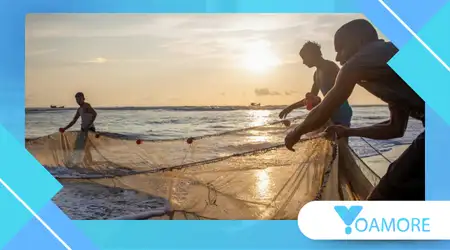
The human brain is wired to seek patterns, especially in chaotic environments. Fishermen face immense danger, making them prone to “illusory correlation”—seeing connections where none actually exist.
When a storm hits after a woman joins a crew, the mind anchors to that specific event. It ignores the thousands of storms that occurred with all-male crews.
This cognitive bias reinforces the idea that some fishing communities believe women bring storms. It provides a false sense of control over an uncontrollable and often violent natural world.
By identifying a “cause” for a storm, sailors feel they can prevent future disasters. Excluding women becomes a perceived safety protocol, much like checking the hull or the rigging.
Psychologists call this “externalizing blame.” It is easier to blame a person for a tragedy than to accept that the ocean is indifferent to human life and survival.
When Did Science Begin to Disprove These Myths?
The mid-20th century marked a turning point as meteorological science advanced. Radar and satellite imagery proved that storms are products of atmospheric pressure, not human presence or gender.
As oceanography became a formal academic discipline, women began leading research expeditions. Their successful returns from treacherous waters without incident started chipping away at the old maritime guard’s fears.
Today, data-driven safety protocols have replaced ritualistic superstitions. Survival is now attributed to GPS, stabilizers, and accurate weather routing rather than the exclusion of any specific demographic or person.
Modern education has shifted the focus from “who is on the boat” to “what equipment is on the boat.” This rational approach is slowly dismantling the foundations of folklore.
+ The Power of Red: How Colors Protect and Attract in Different Cultures
The Shift Toward Professionalism
For freelancers and remote professionals, the story of maritime superstition serves as a powerful metaphor for workplace bias.
Breaking through “traditional” barriers requires persistence, data, and undeniable professional competence.
Just as the sea doesn’t care about the gender of the navigator, the global digital market cares primarily about the quality of the work and the reliability of the professional.
The evolution of these fishing communities proves that even the most ingrained cultural myths can be overwritten by consistent results, modern education, and the courage to challenge the status quo.
Understanding these cultural nuances helps us navigate the complexities of global collaboration. Respecting history while advocating for evidence-based practices is key to building a truly inclusive and modern workforce.
Ultimately, the belief that some fishing communities believe women bring storms is a relic of a less informed era, now being replaced by a more equitable and scientific understanding.
Frequently Asked Questions
Is it still illegal for women to be on fishing boats?
No, international labor laws and maritime regulations prohibit gender discrimination. However, informal cultural taboos may still exist in some traditional or remote small-scale fishing communities today.
Do modern sailors still believe in any superstitions?
Yes, many sailors still follow “harmless” traditions, such as not whistling on a ship or avoiding bananas. These are usually kept for fun rather than out of genuine fear.
How can women overcome these biases in the industry?
Education and certification are the strongest tools. By obtaining professional maritime qualifications, women demonstrate their expertise, which helps to override any lingering cultural superstitions among traditional crews.
Does weather data support any of these ancient claims?
Absolutely not. Statistical analysis of centuries of maritime records shows no correlation between the gender of the crew and the frequency or severity of storms at sea.
What is the “Sea Mother” myth mentioned earlier?
In many cultures, the ocean is personified as a goddess. Superstition held that she was jealous of other women, but this was a symbolic justification for excluding female competitors.
The modernization of the maritime industry is a testament to the power of education over fear.
As we continue to integrate more diverse voices into all sectors, we strengthen our collective resilience against both physical and cultural storms.
For more information on global labor shifts and maritime standards, visit the International Maritime Organization (IMO) to see how they promote gender equality at sea.