
Why community-driven trends outlast viral internet moments

Building a sustainable digital career requires discerning between fleeting online fads and authentic consumer movements that reshape how remote workers, creators, and freelancers operate daily.
Anúncios
Understanding how community-driven trends establish lasting value allows professionals to invest time, energy, and resources into strategies that yield durable audience engagement.
In this comprehensive guide, we examine why localized passion beats algorithmic virality, how participatory culture drives professional retention, and what metrics distinguish lasting movements from short-lived online hype.
What is the fundamental difference between viral hype and community movements?
Algorithmic virality relies almost entirely on passive consumption. Platforms push sensationalized, visual hits to broad audiences who glance, tap, and move on without ever feeling compelled to participate.
Grassroots movements operate on a fundamentally different human instinct. They thrive on shared values, direct co-creation, and peer support systems where members actively invest effort into the group’s collective progress.
Anúncios
Transient internet hits experience sharp engagement spikes followed by immediate abandonment because users lack structural incentives or deeper emotional connections to stay involved.
Sustainable professional networks build structural trust by prioritizing active collaboration, peer review, and shared knowledge distribution over superficial social media reach.
There is something deeply revealing about how quickly artificial buzz dissolves once the algorithm moves on. Professionals who ground their identity in these organic subcultures build resilient careers that easily survive shifting social media feeds.
How do community-driven trends create long-term value for remote workers?
Solitary laptop work often leads to isolation, making dedicated spaces for skill sharing, peer support, and collective problem-solving essential for maintaining mental well-being and career momentum.
Participating in grassroots professional collectives allows freelancers to exchange honest client feedback, benchmark fair pricing standards, and discover unadvertised contract opportunities.
Rather than chasing unpredictable viral video trends, independent contractors gain stable traction by building specialized sub-communities around niche software tools, workflows, or specialized industry services.
These collaborative networks generate sustainable referral loops because members actively recommend trusted colleagues within their immediate circles for specialized client assignments.
Focusing on peer connection protects independent creators from burn-out while nurturing high-value professional relationships that evolve over decades rather than fading after single marketing cycles.
++ How glocal culture blends local roots with global trends
Why do algorithmic spikes decay faster than member-led initiatives?
Social networks are explicitly engineered to reward novelty and sudden friction. They push polarizing or eye-catching media to harvest immediate attention, dropping that content the second viewer interest slightly dip.
This dynamic creates an artificial engagement wave that crashes quickly, leaving creators with inflated metrics that rarely translate into meaningful client relationships.
Member-centric initiatives build momentum gradually through cumulative value creation, shared archives, and continuous peer interactions that deepen organizational commitment over extended timeframes.
Decentralized groups retain active members because ownership spreads across the network rather than depending on a single central creator or platform algorithm.
According to research published by the Harvard Business Review on building customer communities
, true brand value emerges when businesses foster authentic relationships among users rather than relying strictly on top-down broadcast marketing strategies.
Which factors determine if an online trend has lasting staying power?
| Evaluation Criterion | Viral Internet Moment | Community-Driven Trend |
| Primary Driver | Recommendation algorithms | Shared values and peer trust |
| User Participation | Passive viewing and sharing | Co-creation and active dialogue |
| Lifecycle Duration | 24 to 72 hours | Months to several years |
| Economic Value | Temporary ad impressions | High customer lifetime retention |
| Network Structure | Centralized broadcast | Decentralized peer-to-peer web |
What are the key stages of building authentic professional collectives?
Sustained growth requires transitioning casual followers into dedicated collaborators who feel genuine ownership over the shared vision, goals, and standards of the group.
- Identifying Shared Friction: Pinpoint specific challenges, such as client communication hurdles or software mastery, that unite freelancers within your specific operational niche.
- Establishing Governance: Define clear community standards, ethical guidelines, and peer moderation practices to maintain psychological safety and constructive communication across all interactions.
- Facilitating Active Co-Creation: Encourage members to lead workshops, write collaborative documentation, and exchange feedback openly rather than passively receiving centralized announcements.
- Measuring Retention Metrics: Monitor recurring active discussions, peer support interactions, and member-led initiatives rather than tracking vanity metrics like raw follower counts.
When should freelancers pivot from algorithm chasing to community building?
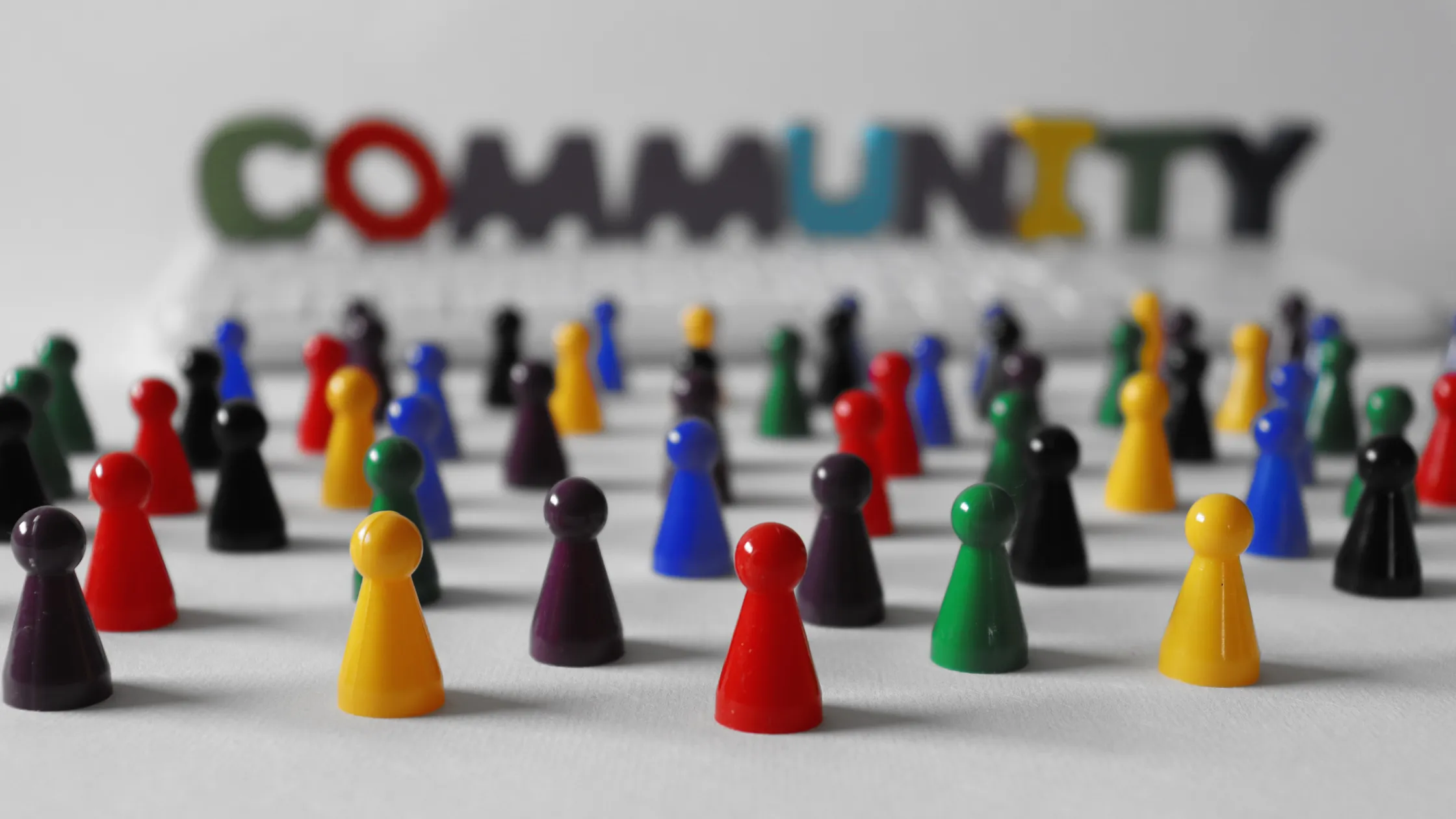
Chasing social media algorithms creates a hamster wheel of content production. It drains creative energy while yielding surprisingly poor returns in terms of actual authority or billable work.
Redirecting that energy into intimate, high-trust networks yields better client inquiries, lower marketing overhead, and far greater security when the broader economy stumbles.
Recognizing the exact moment when viral reach fails to deliver real career progress allows independent workers to redirect creative energy into high-trust professional networks.
Long-term digital stability relies on cultivate deep connections with fifty dedicated peers rather than attracting fifty thousand disengaged, passive viewers across public feeds.
Establishing specialized discussion forums, hosting masterminds, or contributing to collaborative industry documentation positions professionals as reliable experts within their target professional sectors.
What unique mechanisms allow community-driven trends to continuously adapt over time?
Grassroots initiatives evolve through organic feedback loops and decentralized experimentation, allowing member groups to refine their core focus as market realities shift.
Unlike top-down viral campaigns that remain static once launched, member-driven movements incorporate real-time adjustments based on practical, everyday application.
This adaptive capacity stems from shared ownership, where individual contributors freely modify strategies to solve emerging professional hurdles.
Consequently, organic subcultures maintain long-term relevance by naturally absorbing fresh perspectives without losing their foundational values.
++ Why online community fragmentation trends keep growing
Why does organic member advocacy generate higher conversion rates than algorithmic reach?
Peer recommendations carry inherent credibility because they originate from shared experiences rather than commercial incentives or platform-driven promotion tricks.
When an independent professional advocates for a tool or workflow, their network perceives the endorsement as a vetted, high-trust solution.
Algorithmic exposure reaches broad audiences, but it lacks the contextual relevance required to inspire deliberate consumer action or career shifts.
High conversion rates stem from psychological alignment, where prospective members recognize that a movement directly addresses their specific daily operational challenges.
How can digital professionals identify genuine grassroots movements early?
Spotting durable professional movements requires looking beyond surface-level follower counts and focusing on the depth of peer-to-peer interaction within specialized hubs.
Sustainable movements consistently display active problem-solving, unprompted documentation sharing, and constructive debate among core members.
Pretentious viral phenomena usually rely on aggressive self-promotion, repetitive visual aesthetics, and sensationalized promises of immediate financial success. authentic subcultures prioritize slow, steady value creation, transparent knowledge exchanges, and meaningful professional collaboration over immediate online visibility.
Which leadership habits preserve trust within growing online professional spaces?
Maintaining authentic engagement as a network expands demands transparent governance, consistent facilitation, and a clear emphasis on mutual benefit over individual monetization.
Effective leaders act as curators and facilitators rather than central authorities, empowering active members to take ownership of specific subgroups.
When community managers prioritize open dialogue and swift resolution of internal friction, members feel safe contributing original ideas and vulnerable feedback.
Protecting psychological safety ensures that the collective identity remains focused on genuine professional growth rather than devolving into self-serving promotion.
When do peer networks become essential safety nets during industry shifts?
Economic downturns and unexpected technological shifts often isolate independent workers who lack traditional corporate support structures or centralized safety nets.
During periods of rapid market re-organization, active subcultures serve as vital hubs for real-time information, skill retraining, and shared client opportunities.
Relying solely on public social platforms leaves creators vulnerable to sudden algorithm shifts or policy changes that can destroy reach overnight.
Deeply connected professional circles offer structural resilience, ensuring that members retain access to trusted advice, collaborative projects, and direct client referrals.
++ How Rage Bait Culture is Redefining Online Engagement
Frequently Asked Questions
What defines a community-driven trend in the remote work economy?
A community-driven trend represents a sustained shift in professional habits, tools, or philosophies cultivated by peer collaboration, shared needs, and mutual value creation rather than platform algorithms.
How can freelancers leverage community trends without appearing opportunistic?
Focus on genuine participation, transparent skill sharing, and active problem-solving within your niche before offering commercial services or pitching premium professional consulting solutions to peers.
Why do viral moments fail to generate recurring business revenue?
Viral spikes attract broad, non-targeted audiences seeking temporary entertainment rather than specific professional solutions, resulting in low conversion rates and minimal client retention over time.
Building a resilient digital career through meaningful connection
Navigating the modern digital landscape requireshoosing between temporary viral attention and durable professional relationships built inside focused peer ecosystems.
While chasing social media algorithms offers momentary vanity metrics, participating in authentic community-driven trends provides independent contractors with stable client pipelines, collaborative learning, and long-term economic security.
Investing in human connection protects freelancers against unpredictable platform shifts and changing search engine guidelines.
By focusing on shared values, transparent communication, and continuous value creation, digital professionals cultivate resilient careers capable of enduring shifting market conditions.
To evaluate your current marketing strategy, explore detailed resources on Pew Research Center’s internet and technology studies
to understand how evolving digital behaviors impact modern professional networking.