
Pourquoi la micro-esthétique remplace les tendances de la mode grand public
Instead of waiting on seasonal runway declarations, remote workers and digital creators now craft hyper-specific visual niches directly from their desks, reshaping how personal brands are built in real time.
Annonces
Subcultures like cottagecore, dark academia, or the sharp framing of the office siren are far more than passing visual novelties.
They signal a deeper shift in consumer psychology and personal branding—where hyper-niche micro-aesthetics override the broad, manufactured consensus of legacy retail.
Beyond the surface-level internet lore lies a structural shift in how we curate our public identity, navigate algorithmic feedback loops, and manage our personal choices in an increasingly remote economy.
What is driving the decline of traditional fashion cycles?
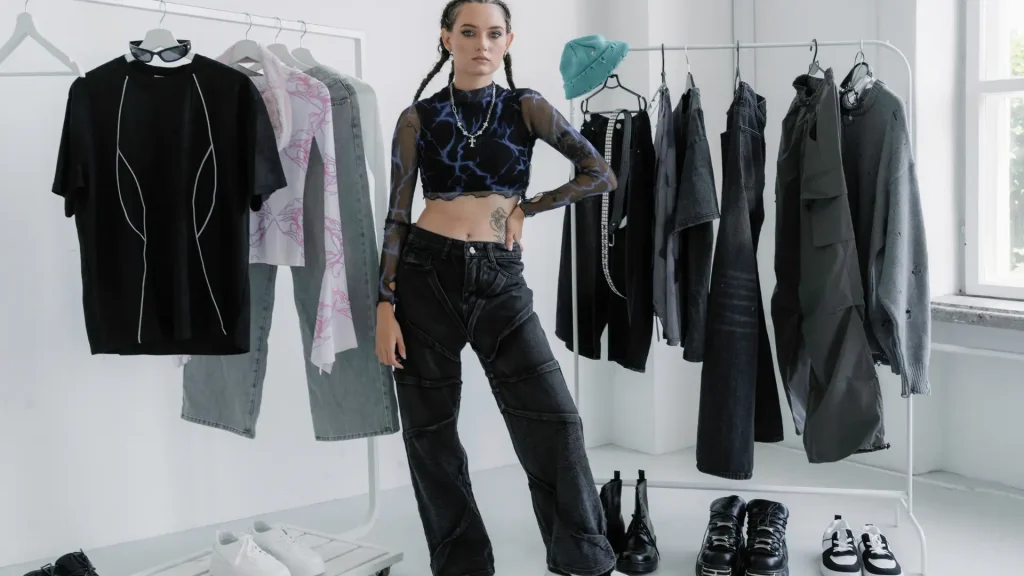
Monolithic seasonal trends once depended on a closed circuit: elite fashion houses, magazine editors, and retail buyers dictating what made the cut.
Annonces
Today, recommendation engines surface hyper-specific visual identities directly to individuals based on niche behavioral signals rather than top-down decree.
The old infrastructure—where an idea spent nine months traveling from design boards to department store racks—feels strikingly obsolete.
Younger, digitally native professionals operate on immediate feedback, bypassing rigid quarterly collections for fluid, ongoing self-expression.
There is also a practical tension at play.
Standardized commercial lines simply fail to address the realities of hybrid and remote environments, where professionals need wardrobe choices that feel distinct, functional, and authentic on camera.
How do micro-aesthetics shape consumer culture today?
Subcultural identities rely heavily on curated mood boards, precise color palettes, and contextual storytelling.
Adopting a specific niche style allows people to signal shared values, cultural references, and intellectual leanings without uttering a single word.
Instead of overhauling an entire wardrobe every few months, consumers selectively integrate thematic elements into core collections.
This shift encourages more deliberate spending while deepening the personal connection between an individual and what they choose to wear.
Inevitably, real-time manufacturing chains scramble to monetize these viral signals as soon as they peak.
Consequently, modern micro-aesthetics undergo constant iteration, moving rapidly from quiet online spaces into commercial availability.
Why are algorithms replacing traditional trendsetters?
Social platforms treat generic content as noise, prioritizing high engagement within focused sub-communities.
Once an engine detects genuine interest in a visual motif, it continuously feeds that ecosystem, cementing small digital cultures into distinct lifestyle categories.
The editorial gatekeeping that defined late-20th-century media has effectively collapsed.
Today, independent creators and everyday users spark globally recognized visual directions overnight through short-form video and curated visual boards.
Unsurprisingly, niche content consistently outpaces broad, top-down commercial campaigns in actual engagement.
Independent workers and digital strategists lean into this reality, leveraging algorithmically driven visual distinctiveness to make their personal brands memorable.
For a grounded look at how these mechanical shifts impact global commerce, consult the McKinsey & Company Fashion State Report for verified data on shifting retail models.
What are the key differences between macro trends and micro-aesthetics?
Understanding these shifting dynamics requires looking past visual surfaces to examine lifespan, community structure, and operational speed across the market.
++ La signification des tendances virales d'humour absurde en ligne
| Metric / Dimension | Traditional Macro Trends | Modern Micro-Aesthetics |
| Average Lifespan | 3 to 5 Years | 3 to 12 Months |
| Conducteur principal | Fashion Houses & Media | Social Algorithms & Creators |
| Consumer Motivation | Social Conformity | Hyper-Specific Identity |
| Production Cycle | Slow (Bi-Annual) | Ultra-Fast / On-Demand |
| Target Audience | Mass Market | Niche Online Subcultures |
Which economic factors accelerate niche style adoption?
Shifting economic realities naturally push people away from disposable, homogenizing trends.
Investing in versatile, expressive pieces that fit a well-defined personal aesthetic carries far more practical value than chasing ephemeral retail pushes.
The explosive growth of archival resale apps and secondhand platforms directly mirrors this mindset.
Rather than buying off-the-rack iterations, digital professionals hunt down authentic vintage pieces to build a layered, singular look.
At the same time, remote work has exposed the artificiality of traditional corporate dress codes.
Turning toward curated micro-aesthetics gives creators a way to align intentional consumption habits with long-term financial sanity.
++ Pourquoi la fragmentation des communautés en ligne continue-t-elle de s'accentuer ?
What are the environmental risks of ultra-fast niche trends?
While niche styles encourage individual expression, their rapid turnover introduces serious environmental challenges.
Ultra-fast fashion brands monitor real-time online searches and churn out cheap synthetic garments to profit from fleeting online subgenres before they disappear.
This churn leads to massive textile waste, overproduction, and accelerated resource depletion.
When a style cycle lasts only a few months, discarded garments often end up in landfills or incineration facilities worldwide.
Sustainable personal branding requires decoupling visual expression from endless consumption.
True aesthetic intentionality lies in curating thrifted, altered, or high-quality foundational pieces rather than feeding the rapid production cycle.
How can remote workers build a capsule wardrobe around niche styles?
Building a niche-inspired capsule wardrobe starts with identifying core, versatile pieces that transcend single-season trends.
Instead of buying full themed outfits, choose foundational garments—like tailored trousers, structured blazers, or classic knitwear—in neutral undertones.
Layer distinct, aesthetic-specific accents over these core items.
A vintage scarf, specific eyewear framing, or distinct footwear can instantly shift a foundational look toward dark academia or minimal utilitarianism without overcrowding your closet.
This modular approach protects your budget while allowing flexible visual expression.
You maintain a polished, professional image for video meetings while keeping your personal style adaptable, authentic, and easy to maintain.
Why is personal authenticity more valuable than viral trends?
Chasing every viral style movement creates aesthetic incoherence and financial strain.
When your visual identity changes weekly based on algorithmic recommendations, your personal brand loses the clarity and confidence required to build long-term professional authority.
Authenticity emerges from selecting elements that genuinely reflect your values, work style, and personal taste.
Clients, peers, and collaborators respond far more positively to a consistent visual signature than to a forced adoption of transient internet tropes.
Treat subcultural visual styles as inspiration rather than strict rulebooks.
Integrating subtle, meaningful influences into your personal presentation signals self-awareness, artistic discipline, and a refined sense of professional identity.
Which digital tools help creators map their personal visual identity?
Curating a cohesive digital presence benefits greatly from intentional visual planning tools.
Digital mood board applications allow creators to collect textures, color swatches, typography, and wardrobe inspiration into structured visual references before making purchasing decisions.
Color palette generators help identify harmonious tones that work across both your digital portfolio and daily professional wardrobe.
Mapping these elements visually prevents impulse purchases and ensures your online visual footprint feels intentional across all touchpoints.
Digital asset organizers also allow freelancers to align their personal attire with their personal branding collateral.
Maintaining consistency between your physical presentation and digital assets establishes an integrated, professional narrative that builds client trust.
How can digital professionals leverage visual branding?
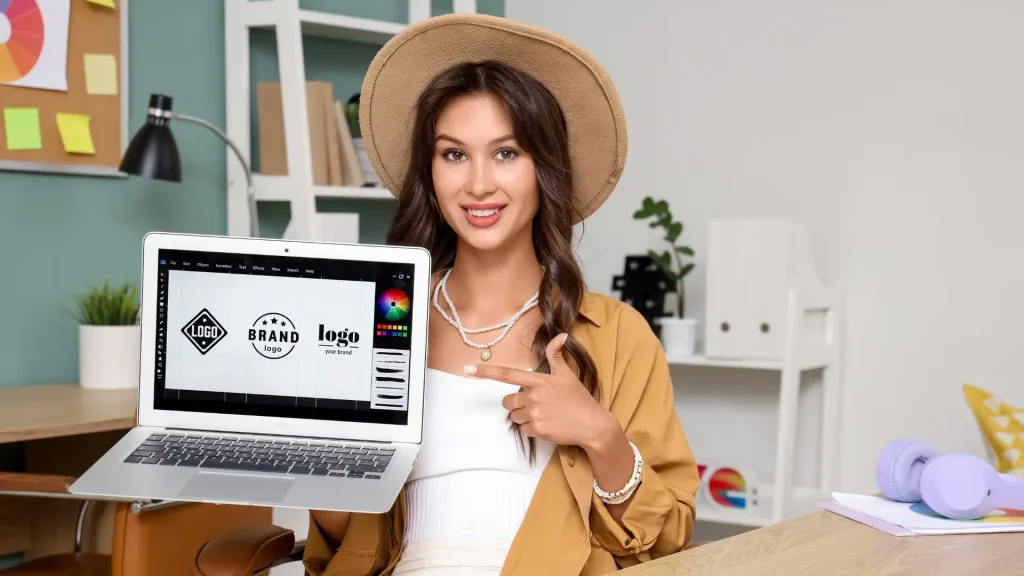
In a crowded online space, visual clarity functions as a quiet trust signal.
Remote freelancers who curate a distinct, intentional personal aesthetic stand out far more effectively than those leaning on generic professional presentation.
Thoughtful visual framing suggests discipline, taste, and an awareness of modern digital culture.
Subtle choices in attire or environment during video calls and public-facing engagements subtly reinforce your creative and professional authority.
Weaving subcultural influences into everyday professional presentation helps creators carve out a memorable presence.
Done well, an authentic aesthetic acts as an immediate visual signature—one that speaks to your standards before a client even reads your proposal.
++ Comment la culture du « rage bait » redéfinit l’engagement en ligne
When will the rise of micro-aesthetics stabilize?
The relentless pace of niche culture inevitably leads to aesthetic fatigue.
As digital feeds flood with endless sub-genres, people naturally gravitate back toward quiet, durable staples that ground their day-to-day work environment.
What lies ahead is likely a hybrid model: a dependable foundation of high-quality, timeless basics punctuated by flexible, highly personal accents that evolve as interests change.
Brands built on modular design, clear utility, and sustainable sourcing are best positioned to navigate this transition.
The true value of micro-aesthetics isn’t about constant buying—it’s about giving individuals the tools to articulate who they are on their own terms.
To track broader labor shifts across creative industries, explore the U.S. Bureau of Labor Statistics Occupational Outlook for verified workforce data.
Decentralized digital culture has permanently altered how we project identity and consume visual media.
By looking past surface-level trends and understanding the mechanics behind these visual shifts, remote professionals and independent creators can shape an authentic digital presence grounded in clarity, purpose, and lasting value.
Questions fréquemment posées
What is the main definition of a micro-aesthetic?
A micro-aesthetic is a highly focused visual style built around specific color schemes, thematic influences, and cultural touchpoints, typically cultivated and amplified through algorithmic social feeds.
How do micro-aesthetics impact fast fashion production?
They force apparel manufacturers to operate on ultra-short production cycles, using real-time search trends to rapidly release small, targeted runs aimed at hyper-specific online subcultures.
Can freelancers use micro-aesthetics to improve personal branding?
Absolutely. Integrating subtle, authentic visual cues into your online presence helps build a cohesive, memorable brand that communicates intentionality and sets you apart in competitive digital markets.