Everyday objects often carry profound symbolic weight across global traditions.
Annonces
Mirrors and hair accessories frequently serve as cultural symbols representing personal energy, spiritual identity, and boundary protection throughout human history.
Comprendre pourquoi some cultures avoid sharing combs or mirrors provides fascinating insights into traditional folklore, ancient hygiene practices, and communal boundaries.
Exploring these customs helps modern readers appreciate regional traditions across different global communities.
This guide examines spiritual beliefs surrounding grooming tools, historical hygiene origins, psychological connections to identity, and symbolic meanings attached to personal reflection objects in various societies.
Annonces
What Is the Spiritual Significance of Personal Reflective Objects?
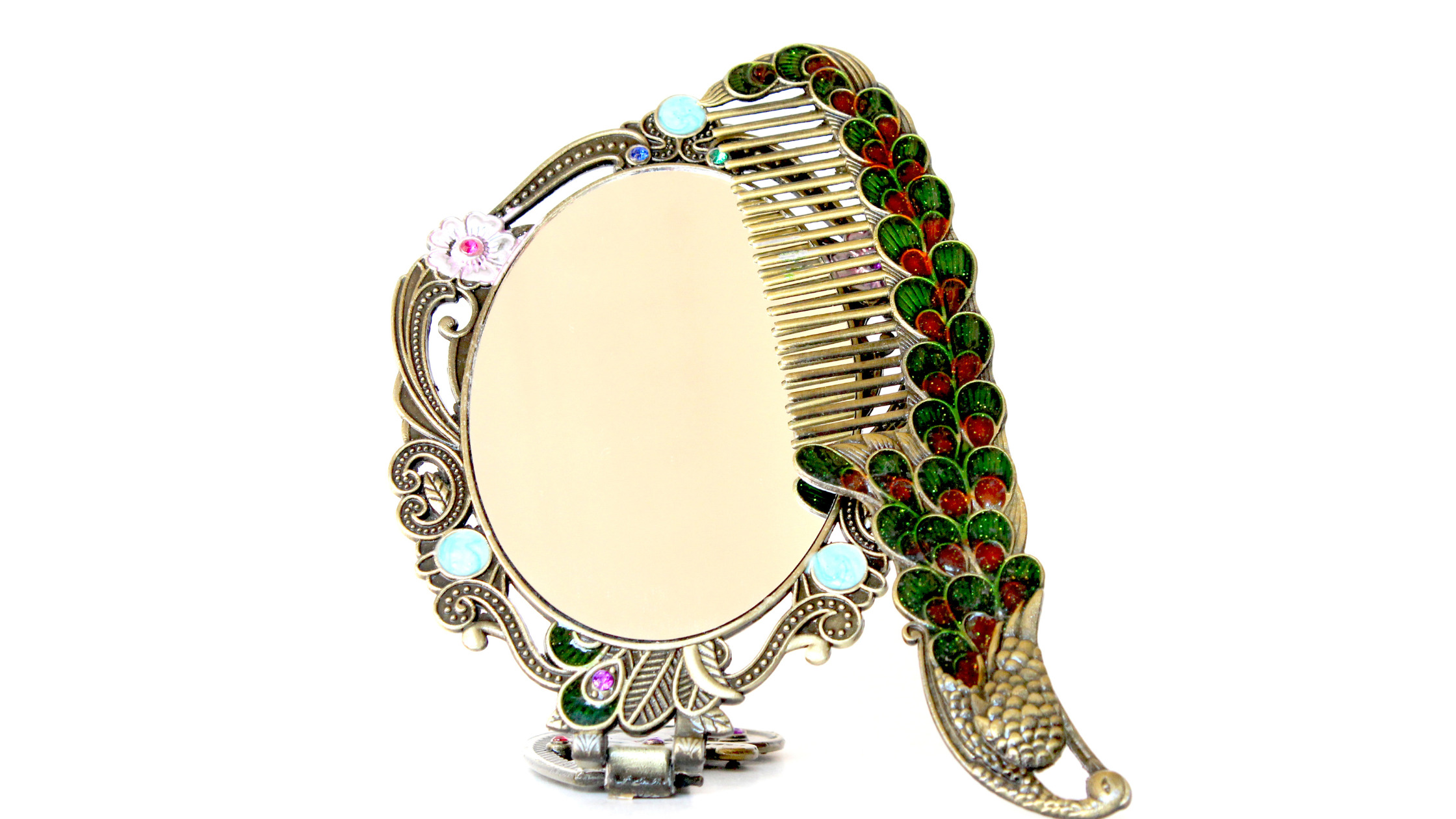
Reflective surfaces have captured human imagination for millennia, serving as symbolic bridges between physical reality and spiritual realms.
Ancient traditions often treated mirrors as sensitive portals capable of absorbing personal spirit.
Across various traditional belief systems, personal objects absorb the unique essence of their primary user over time.
Passing a mirror or comb to another individual allegedly disrupts this personal energetic boundary, creating vulnerabilities.
Par conséquent, some cultures avoid sharing combs or mirrors to protect individual spiritual vitality from unwanted external influences.
Maintaining exclusive ownership ensures personal balance, safeguarding identity from spiritual contamination.
Why Do Traditional Belief Systems Discourage Sharing Hair Combs?
Hair carries tremendous cultural and symbolic weight in numerous traditional societies, often viewed as an extension of vital force.
Grooming tools directly interact with hair, absorbing intimate personal energy during daily routines.
In Slavic and Scandinavian folklore, sharing hair tools risked transferring personal bad luck, illness, or spiritual burdens between individuals.
Traditional practitioners urged keeping combs strictly private to prevent accidental energetic exchanges.
Furthermore, some cultures avoid sharing combs or mirrors due to ancient practical awareness regarding scalp hygiene, parasitic transmission, and bodily cleanliness long before modern dermatological science explained contagion risks.
++ L’obsession d’Internet pour le “ syndrome de la fille chanceuse ” expliquée
How Did Historical Hygiene Practice Shape Cultural Mirror Superstitions?
Historical superstitious customs frequently originated from early public health observations wrapped in spiritual language. Early mirrors relied on toxic metallic backings, while shared grooming tools rapidly spread severe bacterial infections.
Before modern medicine identified microbial contagion, communities created cultural taboos to prevent widespread outbreaks.
Prohibiting shared personal care items effectively minimized contagious skin conditions and lice outbreaks across households.
Intriguingly, some cultures avoid sharing combs or mirrors because ancient elders established protective societal rules disguised as spiritual warnings, safeguarding community health through shared tradition.
+ La signification du fait de retourner une tranche de pain est un mauvais présage.
Cultural Traditions and Symbolic Meanings of Grooming Tools
| Région / Culture | Object Involved | Traditional Belief or Superstition | Practical Historical Driver |
| East Asia (China/Japan) | Hair Combs (Kushi) | Gifting or sharing combs symbolizes breaking relationships or inviting bad luck. | Hygiene control and preventing personal item theft. |
| Slavic Traditions | Personal Mirrors | Passing mirrors directly hands over personal fortune and soul reflection. | Preventing breakage of rare, toxic lead-backed glass. |
| l'Amérique latine | Pocket Mirrors | Borrowing mirrors draws negative energy or vanity curses to the recipient. | Maintaining strict personal hygiene boundaries. |
| Afrique de l'Ouest | Hair Accessories | Hair tools hold personal spiritual authority (Ache) and must remain private. | Preventing scalp infection and parasitic spread. |
Which Psychological Factors Reinforce Avoidance of Shared Personal Items?
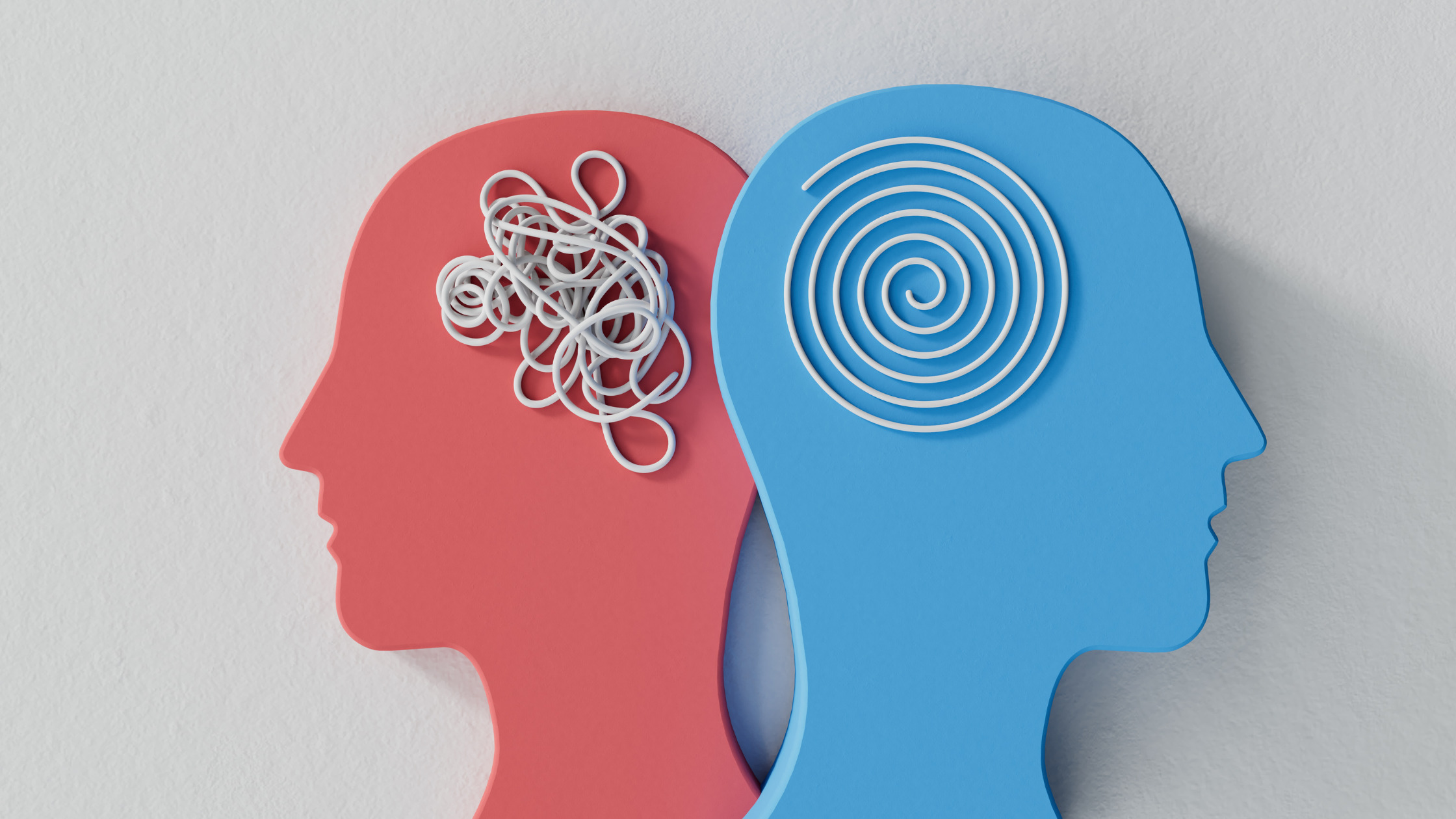
Psychological concepts like object attachment explain why humans assign deep emotional value to personal items.
Mirrors and grooming tools closely connect to self-image, identity presentation, and personal daily rituals.
Sharing deeply personal items can trigger psychological discomfort regarding boundary infringement.
Keeping mirrors and combs private reinforces personal agency, self-care autonomy, and emotional comfort in daily routines.
For these psychological reasons, some cultures avoid sharing combs or mirrors to maintain clear personal boundaries and protect individual identity within tight-knit communities.
To explore more about historical cultural items and anthropological research, review the extensive archives provided by the Centre Smithsonian pour le folklore et le patrimoine culturel.
What Cultural Lessons Can Modern Professionals Learn from Grooming Traditions?
Ancient taboos surrounding personal tools offer surprisingly relevant lessons for today’s remote workers and digital professionals navigating boundary management.
Preserving personal implements historically safeguarded both physical vitality and individual autonomy, a practice that mirrors the modern necessity of establishing clear psychological work-life boundaries.
Respecting these deeply rooted cultural customs reminds us that setting firm personal limits—whether around physical objects or digital availability—remains essential for long-term health, focus, and sustained professional growth.
How Do Modern Perspectives View Ancient Grooming Taboos Today?
Modern globalized societies increasingly view ancient folk superstitions through the informative lenses of sociology, anthropology, and preventative health care.
What began as spiritual caution now aligns with personal wellness hygiene.
Contemporary dermatologists strongly advise against sharing personal grooming tools like hairbrushes or mirrors in close proximity to prevent fungal infections, viral spreads, and parasitic infestations.
Ultimately, as a tradition that seamlessly bridges historical spiritual wisdom with validated modern personal health recommendations.
++ La croyance selon laquelle il ne faut jamais porter de vêtements neufs le lundi
Conclusion
Respecting traditional customs regarding personal grooming items offers valuable insights into how human societies historically protected physical health and spiritual well-being.
Ancient taboos often carried essential protective wisdom.
Whether viewed through spiritual folklore, psychological boundaries, or modern dermatological health practices, maintaining private personal care tools remains a practical, beneficial habit across diverse global cultures.
To deepen your understanding of human cultural evolution and global heritage traditions, consult the detailed anthropological resources available at the Centre du patrimoine mondial de l'UNESCO.
Questions fréquemment posées
Why is breaking a mirror considered bad luck in many cultures?
Ancient Romans believed mirrors reflected the soul. Breaking a mirror was thought to damage the person’s soul and require seven years to spiritually renew.
Is sharing a hair comb harmful according to modern health standards?
Yes, modern dermatologists advise against sharing hair tools. Shared combs can easily transmit scalp ringworm, bacterial infections, lice, and severe dandruff between individuals.
What does a mirror symbolize in Asian traditions?
In many Asian traditions, mirrors symbolize truth, clarity, and protection. They are often placed near entrances to ward off evil spirits and negative energy.
Why do some cultures avoid giving combs as gifts?
Gifting a comb can symbolize severing ties or wishing separation. The word for comb in certain languages sounds similar to words associated with pain or parting.
How did ancient people clean hair tools without modern soaps?
Historical communities used natural oils, boiled water, plant-based soaps, and aromatic herb infusions to sanitize wood, bone, or metal grooming instruments effectively.