
Native American Boarding Schools and the Loss of Language
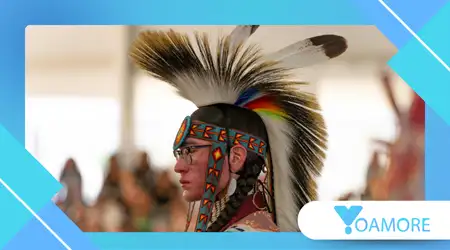
Vanishing Languages represent a profound loss of human knowledge, especially when triggered by the systematic erasure found in the dark history of Native American boarding schools throughout the nineteenth century.
Anúncios
This comprehensive guide examines the historical suppression of indigenous speech, the psychological impact of forced assimilation, modern revitalization strategies, and why protecting linguistic diversity remains vital for our globalized digital workforce.
What was the primary goal of the Native American boarding school system?
Government officials established these institutions with the explicit intent of “civilizing” indigenous children by stripping away their cultural identities, traditional religions, and, most importantly, their unique ancestral mother tongues.
Captain Richard Henry Pratt, who founded the Carlisle Indian Industrial School, famously advocated for the total cultural destruction of indigenous heritage to integrate children into the mainstream American economic structure.
Administrators enforced a strict English-only policy, viewing native speech as a barrier to progress and a sign of “savagery” that required immediate elimination through harsh disciplinary measures and constant surveillance.
Anúncios
Consequently, thousands of children lost the ability to communicate with their elders, creating a devastating linguistic rift that contributed significantly to the growing crisis of Vanishing Languages across North America.
+ How Comics Are Being Used to Teach Endangered Languages
How did linguistic suppression impact the identity of indigenous children?
When schools forbid children from using their birth names and languages, they essentially severed the vital connection between the individual and their community’s collective history, wisdom, and spiritual traditions.
Students often faced physical punishment or public shaming for speaking their native words, which instilled a deep sense of trauma and shame regarding their indigenous heritage and natural cultural expressions.
This forced silence created a generational disconnect where survivors, fearing further persecution, chose not to teach their children their native tongues, leading to a rapid decline in fluent speakers globally.
Modern psychologists recognize this as historical trauma, where the forced loss of communication tools continues to affect the mental health and social cohesion of indigenous communities in the current era.
+ Why the Cornish Language Refuses to Die
Why is the preservation of indigenous languages crucial for global communication?
In our modern remote work environment, cultural competence and diverse perspectives are essential skills for freelancers and digital professionals who operate within a complex, highly interconnected global marketplace.
Every language offers a unique framework for understanding the natural world, medical knowledge, and human relationships that cannot be perfectly translated or replicated within the dominant structures of the English language.
Preserving these Vanishing Languages ensures that humanity retains diverse problem-solving methods and philosophical insights that are increasingly valuable in our rapidly evolving, tech-driven society where innovation requires varied thinking.
By supporting linguistic diversity, digital creators can build more inclusive platforms and tools that respect indigenous sovereignty while fostering a richer, more nuanced global dialogue across different cultural boundaries.
According to the National Museum of the American Indian, the revitalization of these languages is a fundamental act of sovereignty and a necessary step toward healing historical wounds.
Which digital tools are currently reviving these endangered tongues?
Innovative remote learning platforms and mobile applications now allow indigenous youth to reconnect with their heritage through interactive lessons, voice recognition technology, and community-led digital archives of traditional stories.
Artificial intelligence and machine learning models are being developed specifically to document oral histories and translate rare dialects, providing a technological lifeline for Vanishing Languages that lack written records.
Social media creators utilize short-form video content to teach basic phrases, making language learning accessible and trendy for a younger generation that is physically distanced from their tribal lands and elders.
Virtual reality environments simulate traditional settings where learners can practice immersion, bridging the gap between historical context and modern lifestyle for students living in urban or remote digital settings.
What are the modern consequences of historical language trauma?
The decline of native speech has led to the loss of traditional ecological knowledge, as many specific terms for plants, weather patterns, and land management exist only within indigenous linguistic structures.
Community leaders observe that when a language disappears, the specific social protocols and ethical frameworks embedded within that speech also fade, weakening the overall resilience of the tribal social fabric.
Today, many indigenous professionals struggle to reclaim their identity while working in English-dominated spaces, highlighting the ongoing need for institutional support and recognition of linguistic rights in professional environments.
Efforts to reverse the trend of Vanishing Languages require significant financial investment and policy changes to ensure that indigenous communities have the autonomy to manage their own educational curricula effectively.
+ How Technology Helped Revive the Myaamia Language in the U.S
Statistical Overview of Indigenous Language Vitality (2026 Projections)
The following table illustrates the current status of several prominent North American indigenous languages and the projected number of fluent speakers based on current revitalization efforts and census data.
| Language Family | Native Language | Estimated Fluent Speakers (2026) | Status Level | Revitalization Effort |
| Na-Dene | Navajo (Diné Bizaad) | 165,000 | Vulnerable | High (Digital/School) |
| Iroquoian | Cherokee (Tsalagi) | 11,500 | Endangered | Moderate (Immersion) |
| Siouan | Lakota | 1,800 | Critically Endangered | Intensive (App-based) |
| Algic | Ojibwe (Anishinaabemowin) | 4,200 | Endangered | Community-led |
| Eskimo-Aleut | Inuktitut | 36,000 | Stable/Vulnerable | Government Support |
How can digital professionals support linguistic diversity?
Freelancers and remote workers can play a pivotal role by advocating for localization services that include indigenous languages, ensuring that digital tools are accessible to communities preserving their Vanishing Languages.
By prioritizing diverse hiring practices and seeking out indigenous collaborators, digital agencies can integrate traditional knowledge into modern projects, providing a platform for voices that the boarding school system once silenced.
Education-focused freelancers can develop open-source resources or donate technical expertise to help tribal organizations build secure, sovereign databases for their linguistic records and cultural assets in the digital cloud.
Understanding the history of language loss allows professionals to approach global projects with greater empathy, recognizing that language is not just a tool for trade but a fundamental human right.
Conclusion
The legacy of Native American boarding schools is a stark reminder of how policy can be used to systematically dismantle the core components of human identity and collective ancestral memory.
While the threat of Vanishing Languages remains significant in 2026, the intersection of community resilience and modern technology offers a promising path toward linguistic reclamation and cultural healing for indigenous nations.
Supporting these efforts is not merely a matter of historical preservation; it is an investment in the diversity of human thought and the richness of our shared global future in the digital age.
FAQ: Frequently Asked Questions
What is the “Kill the Indian, Save the Man” philosophy?
This slogan represented the federal policy of forced assimilation, aiming to eliminate indigenous culture entirely while training children for low-level manual labor within the Western economic and social system.
How many Native American boarding schools existed?
Researchers have identified over 400 schools across the United States that received federal funding, many of which operated with the specific goal of linguistic and cultural erasure for decades.
Can a language truly be “brought back” from extinction?
Yes, through “language reclamation,” communities use archival recordings and written documents to re-learn and speak dormant languages, as seen with the successful revival of the Wampanoag language in Massachusetts.
Why does language loss matter to non-indigenous people?
Language loss reduces the total sum of human knowledge regarding biodiversity, sustainable living, and unique philosophical frameworks that offer alternative solutions to global challenges we face in the modern world.
What is the best way to help preserve Vanishing Languages?
The most effective way is to support indigenous-led organizations, advocate for tribal educational sovereignty, and utilize digital platforms to amplify the voices of those working to teach their native tongues.