As Misteriosas Crianças Verdes de Woolpit
A crônica do As Misteriosas Crianças Verdes de Woolpit Sobrevive como um fragmento irregular da história medieval, emergindo da paisagem de Suffolk no século XII.
Anúncios
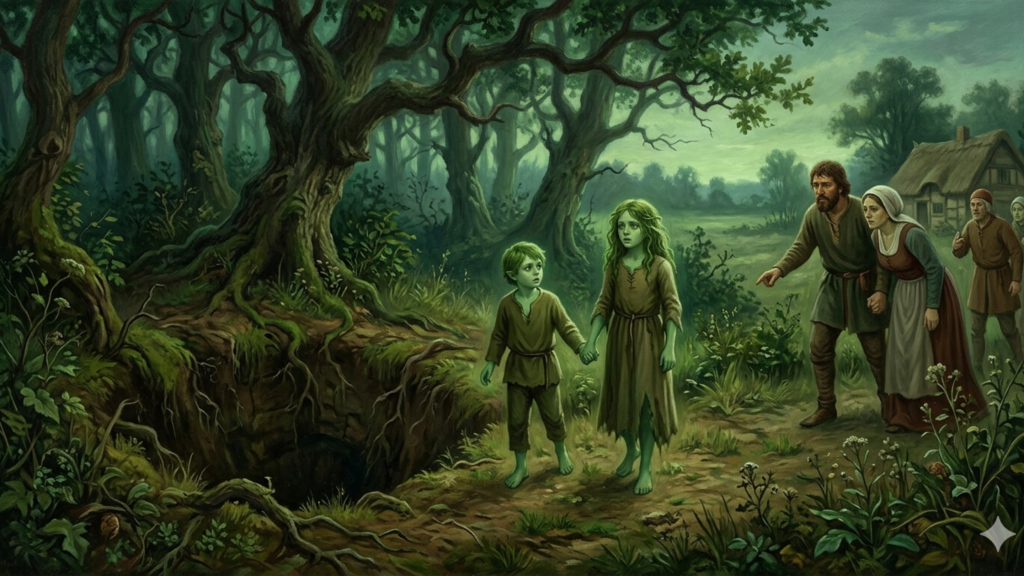
A imagem captura um momento perturbador em que dois irmãos surgem na periferia de uma aldeia, com a pele manchada de um verde-folha antinatural, vestidos com roupas de origem desconhecida.
Esta investigação desvenda o folclore para examinar as teorias modernas de 2026 e a dura realidade do deslocamento cultural que ainda reflete as dificuldades da força de trabalho global atual.
Índice
- A Lenda de Woolpit: Uma visão geral da chegada dos irmãos verdes no século XII.
- A biologia do “milagre”: Analisando a pele verde medieval sob a ótica da patologia moderna.
- A ligação flamenga: Como as guerras civis e os padrões migratórios resolvem o enigma linguístico.
- Tabela de Evidências Históricas: Uma comparação direta entre registros medievais e interpretações modernas.
- Teorias subterrâneas: Explorando as minas de sílex e a realidade da "Terra de São Martinho".“
- Uma Lição de Resiliência: Conectar a integração social da menina à adaptabilidade profissional moderna.
- O Registro do Cético: Por que o depoimento de William de Newburgh continua sendo a referência máxima neste caso.
- Refletindo sobre o legado: Considerações finais sobre a intersecção entre folclore e sobrevivência humana.
- PERGUNTAS FREQUENTES: Respostas rápidas às perguntas mais comuns sobre o mistério.
Qual é a lenda das crianças verdes de Woolpit?
Os relatos primários provêm de Ralph de Coggeshall e William de Newburgh, cronistas que documentaram o reinado errático e frequentemente violento do Rei Estêvão na Inglaterra feudal.
Os moradores encontraram a dupla perto de "fossos de lobos" — escavações profundas projetadas para capturar predadores — e notaram sua tez esmeralda e a recusa absoluta em consumir qualquer coisa além de vagens verdes cruas.
Anúncios
Embora o menino tenha eventualmente sucumbido à doença, a menina adaptou-se, seu tom esverdeado desvanecendo-se à medida que trocava seu "mundo crepuscular" pela luz do sol de uma vida inglesa típica.
O As Misteriosas Crianças Verdes de Woolpit A narrativa se concentra menos no sobrenatural e mais em um estudo inquietante de como comunidades isoladas reagem ao verdadeiramente alienígena.
Por que as crianças tinham pele verde?
A patologia moderna oferece uma explicação fundamentada, talvez até trágica, para esse famoso pigmento, desfazendo o encanto e atribuindo-o às agressões metabólicas e ambientais.
A anemia hipocrômica, antes chamada de "clorose" ou "doença verde", continua sendo a principal candidata médica, já que a deficiência grave de ferro pode alterar fisicamente a tonalidade da pele, deixando-a com uma aparência fantasmagórica.
Essa condição provavelmente teve origem em uma dieta imposta pela fome, o que explica por que as crianças estavam tão obcecadas por feijão — uma busca desesperada e instintiva pelos nutrientes que faltavam em seus corpos.
Analisando o As Misteriosas Crianças Verdes de Woolpit Nos lembra que os "milagres" são, muitas vezes, apenas crises médicas vistas através das lentes de uma sociedade que não possui as ferramentas para diagnosticá-las.
+ O Exército Fantasma da Segunda Guerra Mundial que Enganou Hitler
Quando e onde ocorreu o evento?
A história se passa em Woolpit, uma pequena paróquia de Suffolk, durante "A Anarquia", um período de guerra civil em que a lei e a ordem social essencialmente se dissolveram em caos localizado.
A geografia é reveladora; a região era um polo de atração para imigrantes flamengos, muitos dos quais eram tecelões que fugiam do conflito continental, apenas para se depararem com a xenofobia no interior da Inglaterra.
É muito provável que essas crianças fossem órfãs de uma comunidade flamenga massacrada, e que sua "língua estranha" fosse simplesmente um dialeto que os agricultores locais, sem instrução, não reconheciam.
O As Misteriosas Crianças Verdes de Woolpit Provavelmente emergiram das sombras de um massacre real, vagando para fora da floresta como os únicos sobreviventes de uma tragédia oculta.
Contexto histórico e dados
Para compreender o mundo em que essas crianças foram lançadas, precisamos analisar os fatores de estresse ambientais e sociais específicos registrados nos arquivos de Suffolk do século XII.
| Recurso | Detalhes históricos | Interpretação Moderna |
| Fontes primárias | William de Newburgh e Ralph de Coggeshall | Registros monásticos verificados da época |
| Localização | Woolpit, Suffolk | Batizado em homenagem às antigas armadilhas “wulf-pytt” |
| Alimento básico | favas cruas | Dieta rica em proteínas, mas com deficiência de ferro |
| Destino da Garota | Integrado à sociedade de King's Lynn | assimilação cultural bem-sucedida |
| Condição da pele | Pigmentação esverdeada | Provavelmente clorose ou toxicidade por arsênico. |
Quais teorias modernas explicam o mistério?
As pesquisas atuais, previstas para 2026, voltaram-se para o subterrâneo; as minas de sílex próximas à Floresta de Thetford podem ter fornecido um refúgio temporário e escuro para refugiados deslocados.
Emergir da escuridão prolongada para a luz ofuscante de um verão em Suffolk explicaria sua desorientação inicial e a alegação de viverem em um reino crepuscular sem sol.
Uma teoria mais sombria sugere envenenamento acidental por arsênico — comum em certos pigmentos medievais — que pode causar alterações na pele e a rápida falência de órgãos observada no menino.
Em última análise, o As Misteriosas Crianças Verdes de Woolpit Atuam como um espelho histórico, refletindo as vulnerabilidades sobrepostas da migração, da saúde precária e da pura sorte de sobreviver.
Para uma análise mais aprofundada das duras realidades da vida e do direito na Idade Média, o Arquivos Nacionais Oferece uma vasta quantidade de documentação primária sobre as primeiras estruturas sociais britânicas.
Como a história se relaciona com a cultura de trabalho moderna?
A transformação da menina, de uma "criatura da floresta" a residente de King's Lynn, é talvez o primeiro exemplo registrado de uma mudança radical de vida, tanto profissional quanto social.
Ela foi forçada a abandonar sua antiga identidade, aprender uma nova língua complexa e se adaptar a uma sociedade que inicialmente a via como uma impossibilidade biológica.
Essa dificuldade é surpreendentemente familiar para o freelancer moderno ou especialista remoto, que precisa se adaptar constantemente a ecossistemas digitais "estrangeiros" e a normas da indústria em rápida transformação.
O As Misteriosas Crianças Verdes de Woolpit Eles se erguem como símbolos de resiliência, provando que até mesmo o indivíduo mais alienado e de fora pode encontrar um lugar dentro de uma nova estrutura profissional.
+A guerra mundial que quase começou por causa de um porco (Guerra do Porco)
Quais são as fontes mais confiáveis para esta notícia?
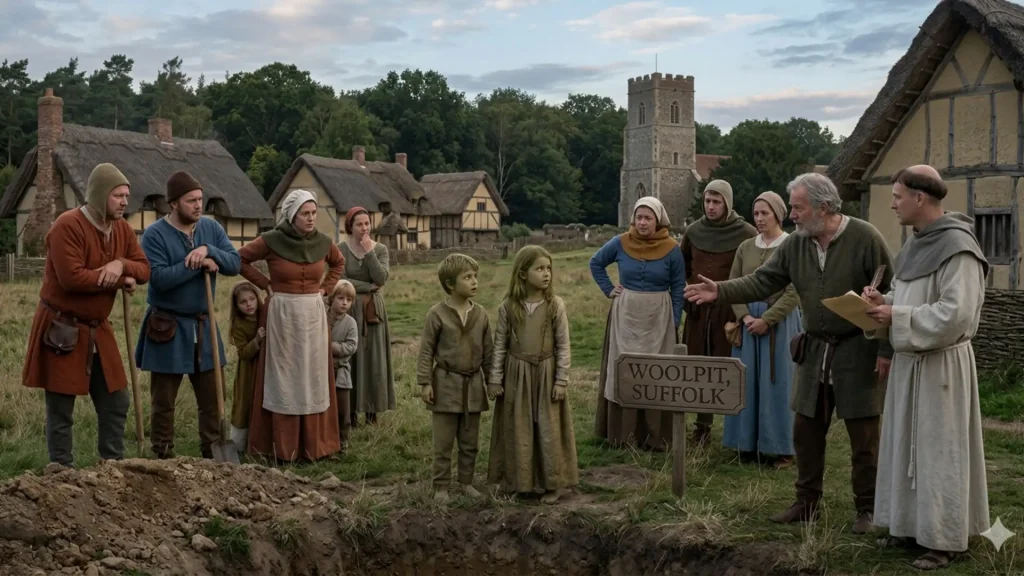
William de Newburgh é a fonte mais importante aqui; ele era um historiador que se orgulhava de seu ceticismo, muitas vezes zombando de seus contemporâneos por acreditarem em todas as histórias fantasiosas.
O fato de ele se sentir compelido a incluir as crianças verdes — embora admitisse abertamente o quão bizarro o relato parecia — acrescenta uma camada de peso considerável à realidade histórica do evento.
Seus escritos sugerem que, mesmo que as crianças não fossem "místicas", algo inegavelmente estranho e físico aconteceu naquele campo naquele dia, testemunhado por toda uma aldeia.
O As Misteriosas Crianças Verdes de Woolpit persistir em nossa memória coletiva porque as evidências sugerem um núcleo de verdade enterrado sob séculos de contos populares.
+ A verdadeira história dos luditas: mais do que apenas anti-tecnologia
O Legado da Terra de São Martinho
O mistério persiste porque toca numa ferida aberta relacionada ao nosso medo do "outro" e à nossa curiosidade inata sobre o que se encontra além dos limites da floresta.
Se eram refugiados perdidos ou vítimas de uma rara doença sanguínea, a presença deles obrigou uma aldeia medieval a escolher entre a crueldade supersticiosa e a compaixão humana.
Ao analisarmos o mito sob a ótica da ciência moderna, encontramos uma história que se concentra menos na pele verde e mais na força do espírito humano.
Para ver as crônicas manuscritas originais que mantiveram essa história viva, o Biblioteca Britânica Oferece acesso digital aos manuscritos originais da Idade Média.
FAQ: Perguntas Frequentes
As crianças verdes chegaram a voltar para casa? Não, eles permaneceram no mundo que encontraram; a moça passou a vida na Inglaterra, acabando por se casar com um homem da região de King's Lynn.
A Terra de São Martinho foi um lugar real? A maioria dos historiadores acredita que se tratava de uma descrição mal interpretada de uma comunidade próxima ou de uma forma poética de descrever um ambiente subterrâneo.
Por que a história das Misteriosas Crianças Verdes de Woolpit é tão famosa? Trata-se de um raro "caso arquivado" em que as principais testemunhas foram historiadores renomados, e não contadores de histórias anônimos, o que confere ao mistério uma credibilidade assombrosa.
Os humanos podem realmente ter pele verde? Em condições específicas, como deficiência grave de ferro (clorose) ou exposição a certos produtos químicos, a pele pode de fato adquirir uma tonalidade verde pálida e doentia.