Por que deixar comida no prato é considerado perigoso em algumas sociedades?
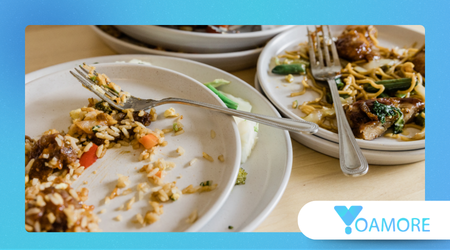
Em muitas partes do mundo, raspar o prato até o fim não é apenas um hábito educado. Funciona como uma pesada obrigação cultural, forjada pela história, pelos instintos de sobrevivência e por profundas ansiedades espirituais.
Anúncios
Compreender esses costumes alimentares globais é extremamente importante para profissionais que trabalham remotamente em diferentes países. Vai muito além de meras boas maneiras à mesa; trata-se de decifrar a arquitetura psicológica tácita de uma comunidade.
Ao analisar esses costumes com atenção, descobrimos uma complexa teia de superstições ancestrais, realidades econômicas brutais e dilemas modernos em constante evolução.
O que parece ser uma simples escolha de deixar algumas mordidas no prato pode ter um peso inesperado tanto nos círculos sociais quanto nos negócios internacionais.
Resumo
- Introdução: O peso cultural e psicológico de terminar uma refeição.
- Raízes históricas: Como a sobrevivência na agricultura antiga moldou hábitos familiares rígidos.
- Tabus espirituais: Superstições que associam sobras de comida ao azar e à ruína financeira.
- Dados de sustentabilidade: O impacto ambiental do desperdício alimentar global.
- O paradoxo: Regiões onde um prato limpo chega a ofender o hospedeiro.
- Dicas profissionais: Como os trabalhadores remotos podem lidar com a etiqueta internacional à mesa.
- PERGUNTAS FREQUENTES: Respostas rápidas sobre alfândega global e gestão de porções.
Qual é a história cultural de deixar comida no prato?
Durante séculos, a ameaça persistente da escassez de alimentos ditou o comportamento humano na Ásia, África e Europa Oriental. Nesses ambientes, o desperdício de recursos comestíveis não era apenas um pequeno deslize de julgamento — era visto como uma ameaça direta à sobrevivência coletiva da comunidade.
Anúncios
A vida agrícola dependia inteiramente de monções imprevisíveis, ciclos climáticos erráticos e trabalho manual extenuante. Nesse contexto, jogar fora alimentos perfeitamente bons parecia um insulto aos agricultores que os cultivavam e ao ecossistema que os sustentava.
Consequentemente, desenvolveram-se rituais familiares rígidos para impor uma conservação estrita. Os pais usavam narrativas vívidas e impactantes para incutir o valor do sustento diário nas gerações mais jovens, transformando táticas de sobrevivência em imperativos morais.
Ao longo das gerações, esses hábitos práticos se consolidaram em poderosos sistemas de crenças. Lidar com as sobras tornou-se um teste público de caráter, uma forma de medir o respeito fundamental pela própria vida.
Por que algumas culturas consideram as sobras de comida um perigo espiritual?
Em diversas sociedades asiáticas tradicionais, um prato vazio funciona como um símbolo básico de gratidão. Por outro lado, deixar comida no prato Muitas vezes é considerado um presságio de verdadeiro infortúnio espiritual ou ruína financeira.
Superstições em países como o Japão e a China sugerem que grãos de arroz descartados estão diretamente relacionados a uma vida de pobreza. Os mais velhos ainda alertam os membros mais jovens da família que deixar comida para trás fará com que seu futuro cônjuge tenha o rosto coberto de imperfeições.
Esses alertas eram mecanismos de proteção psicológica altamente eficazes, concebidos para evitar o desperdício em tempos de escassez de recursos. Eles vinculavam com sucesso uma ação rotineira do dia a dia a um senso mais amplo de responsabilidade pessoal e cósmica.
Ainda hoje, essas narrativas culturais ditam silenciosamente a dinâmica familiar e a etiqueta em jantares corporativos. Ignorar essas regras profundamente enraizadas pode alienar parceiros locais durante jantares de negócios cruciais, antes mesmo do início das negociações.
++ A superstição do fogo emprestado e da fortuna compartilhada
Qual o impacto do desperdício alimentar na sustentabilidade global?
Dados ambientais modernos revelam que o lixo doméstico cria enormes desafios ecológicos que não podemos mais ignorar. Quando a matéria orgânica se decompõe em aterros sanitários gigantescos, libera quantidades significativas de gases de efeito estufa na atmosfera.
Segundo dados recentes de monitoramento ambiental, as áreas urbanas geram milhões de toneladas de resíduos orgânicos evitáveis todos os anos. Essa ineficiência sistêmica sobrecarrega as cadeias de suprimentos agrícolas e esgota as preciosas reservas de água doce.
++ Entrelaçados no Destino: Como as crenças culturais moldam silenciosamente a maneira como amamos.
| Região | Desperdício alimentar anual per capita (kg) | Fonte primária de resíduos |
|---|---|---|
| América do Norte | 105 | Famílias de Consumidores |
| Europa | 92 | Varejo e Residências |
| Ásia industrializada | 80 | Indústria de serviços de alimentação |
Quando é que terminar de comer é considerado uma gafe social?
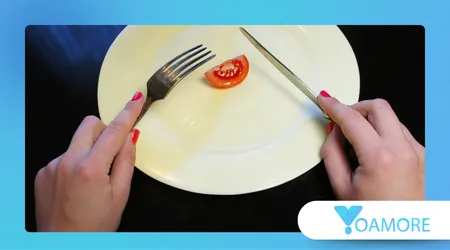
Paradoxalmente, limpar completamente o prato pode ofender o anfitrião em certas partes do mundo. Em lares tradicionais do Oriente Médio e da China, um prato vazio implica que você ainda está com fome e não foi alimentado adequadamente.
Nesses contextos sociais específicos, deixar comida no prato Serve como um elogio, sinalizando prosperidade e hospitalidade generosa. Reafirma ao anfitrião que sua generosidade foi verdadeiramente extraordinária e mais do que suficiente para satisfazer a todos.
“Nos banquetes tradicionais chineses, deixar um pequeno pedaço de comida sinaliza que a generosidade do anfitrião foi mais do que suficiente.”
Navegar por essas regras contraditórias exige uma pesquisa cultural cuidadosa antes de viajar para projetos internacionais. Saber o que um prato limpo comunica evita mal-entendidos constrangedores com parceiros globais.
Ao jantar em um país desconhecido, observe o prato do seu anfitrião antes de se apressar em terminar o seu. Adaptar-se a essas nuances é um claro indicador de empatia profissional e inteligência emocional.
Como os profissionais da área digital podem praticar o respeito à mesa em todo o mundo?
Trabalhadores remotos e freelancers interagem frequentemente com clientes internacionais de origens culturais muito diferentes. Dominar a etiqueta à mesa em contextos interculturais é uma habilidade poderosa e muitas vezes subestimada para construir confiança profissional a longo prazo.
Antes de se sentar para uma refeição com colegas internacionais, reserve um momento para pesquisar as tradições culinárias regionais deles. Essa atitude simples e proativa demonstra um alto nível de conhecimento e respeito cultural.
Se a porção for realmente difícil de comer, o melhor é sempre comunicar a situação ao anfitrião logo no início da refeição. Uma breve explicação educada evita que ele presuma que você não gostou da comida ou desrespeitou a hospitalidade.
Abordar as refeições com atenção plena se encaixa naturalmente em um estilo de vida profissional sustentável e globalmente consciente. Respeitar esses diversos costumes alimentares reflete um compromisso genuíno com a cidadania global ética.
++ A crença de que escrever nomes com tinta vermelha atrai a morte.
Esperando ansiosamente
Analisando os tabus em torno de deixar comida no prato Revela o quão profundamente nossa história está enraizada em nossas rotinas diárias. Esses costumes oferecem lições duradouras sobre gestão de recursos, respeito mútuo e consciência comunitária.
Ao prestar atenção a essas regras ancestrais, os profissionais remotos podem construir conexões globais mais profundas e autênticas. O consumo consciente, em última análise, protege nossos relacionamentos de trabalho tanto quanto protege o planeta.
Para saber mais sobre vida sustentável e hábitos profissionais internacionais, visite o Instituto de Recursos Mundiais Para obter diretrizes ambientais atualizadas e informações globais.
Perguntas frequentes
O que simboliza deixar comida no prato no Japão?
No Japão, deixar sobras viola o conceito profundamente enraizado de mottinai, que expressa profundo pesar pelo desperdício. É visto como um insulto direto ao chef e aos recursos naturais utilizados.
Por que algumas culturas exigem que você deixe comida para trás?
Em países como o Egito e a China, deixar uma pequena quantidade de comida demonstra que o anfitrião ofereceu sustento em abundância. Isso confirma que o convidado está plenamente satisfeito.
Como posso evitar comer em excesso de forma educada em culturas onde o prato é servido limpo?
Solicite porções menores antes do início da refeição para evitar deixar comida no prato. Os anfitriões geralmente apreciam essa abordagem proativa para evitar o desperdício de alimentos.