Como as relações parassociais online se tornaram normalizadas

Relações parassociais online deixaram de ser uma curiosidade psicológica para se tornarem o próprio oxigênio da nossa existência digital, alterando fundamentalmente a forma como percebemos a intimidade em uma sala cheia de estranhos.
Anúncios
Não se trata mais apenas de fandom; trata-se da arquitetura do contrato social moderno.
Essa conexão não nasce de um aspirador; ela é meticulosamente alimentada pelo design intencional das interfaces que habitamos.
Onde antes existia uma barreira clara entre o palco e a platéia, hoje encontramos um fluxo contínuo de vulnerabilidade filtrada que nos convida a acreditar que somos parte do círculo íntimo de quem nos acompanha.
É um fenômeno que altera a química do nosso cotidiano, transformando o ato de “seguir” em uma forma de investimento emocional silencioso.
Anúncios
Ao permitir que essas presenças digitais ocupem os espaços mais privados de nossa rotina, redefinimos o conceito de ambiente, trocando o contato físico pela conveniência de uma presença que está sempre a um toque de distância.
Resumo do conteúdo
- A transição da observação para a imersão digital.
- A neuroquímica do estranho "com quem é fácil se identificar".
- Pontes tecnológicas: RA, RV e transmissão 24 horas por dia, 7 dias por semana.
- O streaming como catalisador da dependência emocional.
- A mercantilização da confiança na economia dos criadores.
- Estabelecendo limites em um mundo pós-privacidade.
- Perguntas frequentes essenciais.
O que são relações parasociais online e como elas funcionam?
Uma interação parasocial ocorre quando o cérebro nos engana, fazendo-nos sentir uma conexão profunda e mútua com uma figura que não tem ideia de que existimos. Embora o termo tenha sido originalmente usado para descrever o público da TV na década de 1950, relações parassociais online agora são impulsionadas por uma intimidade algorítmica agressiva que parece surpreendentemente real.
Não somos mais apenas espectadores; somos “amigos por procuração”. Quando um criador olha diretamente para a câmera do seu smartphone, ele está efetivamente contornando nossos filtros sociais, desencadeando a mesma liberação de ocitocina que teríamos em um encontro para tomar café com um vizinho de longa data.
Essa proximidade não é acidental — é um subproduto da vulnerabilidade em alta definição. Nossa biologia não acompanhou nossa tecnologia, o que nos impede de distinguir facilmente entre uma transmissão e uma conversa privada, criando uma sensação persistente de história compartilhada com completos estranhos.
Por que os laços digitais unilaterais se tornaram socialmente normais?
A normalização aconteceu quando o "imperfeito" se tornou mais valioso do que o "perfeito". À medida que as estruturas comunitárias tradicionais — como clubes físicos ou encontros locais — se deterioraram, terceirizamos nossa necessidade de pertencimento para os rostos mais acessíveis em nossos feeds de notícias.
Os algoritmos não apenas sugeriam conteúdo; eles sugeriam companhia. Em 2026, o hábito de "dar uma olhada" em um criador se tornou um substituto ritualístico para verificar como está a família, oferecendo uma recompensa emocional de baixo risco sem as exigências complicadas da reciprocidade no mundo real.
Há algo ligeiramente perturbador na rapidez com que trocamos a complexidade dos laços locais pela consistência cuidadosamente planejada das personas digitais.
Coletivamente, aceitamos que "conhecer" a rotina matinal de alguém é um substituto válido para realmente conhecer seu caráter.
+ A globalização do humor e a morte das piadas locais
Como a “ilusão de intimidade” afeta nossa saúde mental?
Essa ilusão prospera no micromomento: um comentário curtido, um nome de usuário mencionado ou um segredo compartilhado durante uma transmissão ao vivo à meia-noite. Essas pistas criam uma narrativa poderosa de acessibilidade, fazendo com que o espectador se sinta um confidente em vez de um mero número.
Embora esses laços sirvam como um alívio temporário para a solidão, muitas vezes lhes falta o atrito necessário para um crescimento psicológico genuíno. Gravitamos em direção a criadores que refletem nossos preconceitos, criando uma câmara de eco emocional que parece acolhedora, mas raramente desafia nossa perspectiva.
Dados recentes do Associação Americana de Psicologia Isso sugere que, embora essas conexões proporcionem conforto a curto prazo, elas não conseguem replicar os sistemas de apoio bidirecional e cheios de nuances necessários para a estabilidade emocional e a resiliência a longo prazo em uma crise.
Quais fatores tecnológicos aceleraram essa mudança cultural?
A ponte entre criador e consumidor agora é construída com 5G e latência ultrabaixa. Notificações em tempo real funcionam como um "toque no ombro" digital, garantindo que o criador nunca esteja realmente ausente da consciência imediata ou da rotina diária do usuário.
A introdução da realidade aumentada mudou a dinâmica de "observar" para "coexistir". Ver uma persona digital projetada em seu ambiente físico por meio de óculos inteligentes remove a barreira final — a tela — tornando a presença parasocial fisicamente tangível e permanente.
| Recurso | Impacto na dinâmica parassocial | Percepção do usuário |
| Transmissão ao vivo | Erode os limites do que significa "performance".“ | “Estou testemunhando a vida real deles.” |
| Envolvimento direto | Transforma em jogo a sensação de ser visto. | “Eu tenho uma influência pessoal sobre eles.” |
| Companheiros de IA | Disponibiliza-se 24 horas por dia, 7 dias por semana. | “Eles estão sempre lá para mim.” |
| Áudio espacial | Simula a proximidade física. | “Eles estão sussurrando diretamente para mim.” |
Como os criadores podem monetizar essas dinâmicas parasociais de forma responsável?
A economia dos criadores é essencialmente um mercado de confiança. Os fãs não compram mais produtos; eles compram a pessoa. Essa mudança de "consumidor" para "investidor" significa que cada conselho ou recomendação carrega o peso de um favor pessoal.
Em 2026, os criadores éticos são forçados a caminhar na corda bamba entre serem transparentes e profissionais. Precisam monetizar a "amizade" para sobreviver, mas a comercialização excessiva destrói a própria autenticidade que torna o vínculo lucrativo em primeiro lugar.
A confiança é a única moeda que importa aqui. Quando um criador se aproveita de uma profunda conexão parassocial para promover tendências de saúde questionáveis ou esquemas financeiros duvidosos, ele não está apenas falhando em um negócio — está traindo um contrato psicológico com sua comunidade.
+ A mudança cultural da propriedade para o acesso
Qual é o futuro da companhia digital em 2026?
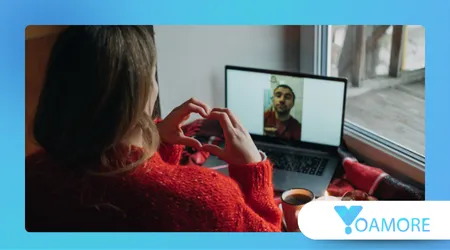
Entramos na era do "Amigo Sintético". Personas criados por inteligência artificial agora oferecem uma forma de companhia perfeitamente personalizada, nunca mal-humorada e sempre disponível. Esta é a conclusão lógica, ainda que um tanto perturbadora, da nossa transição para a intimidade digital.
À medida que essas entidades virtuais se tornam indistinguíveis dos humanos, devemos nos perguntar se a "verdade" de um relacionamento reside na realidade biológica da outra pessoa ou simplesmente em como ela nos faz sentir. É uma mudança profunda na evolução social humana.
A normalização desses laços não é mais uma tendência a ser monitorada; é o novo padrão. Vivemos em um mundo onde nossas interações sociais mais frequentes acontecem com pessoas — ou programas — que jamais saberão nossos nomes.
+ Como a cultura da provocação está redefinindo o engajamento online
Refletindo sobre o Novo Tecido Social
A ascensão de relações parassociais online Não é um sinal de fracasso social, mas sim uma prova da nossa implacável capacidade de adaptação. Encontramos maneiras de satisfazer nossos instintos tribais em um vasto e frio cenário digital, mesmo que essas conexões sejam inerentemente desequilibradas.
Navegar nessa realidade exige um novo tipo de alfabetização — a capacidade de valorizar o “amigo” digital enquanto cultivamos o vizinho físico. Nosso desafio é garantir que, enquanto olhamos para a tela, não nos esqueçamos de como olhar alguém nos olhos.
Para compreender as implicações mais amplas dessas mudanças em nossa psique coletiva, vale a pena examinar as pesquisas em andamento no Centro de Pesquisa Pew sobre como a tecnologia remodela nossas experiências humanas mais íntimas.
Perguntas frequentes: O Guia da Intimidade Digital
É "estranho" ter a sensação de conhecer um criador pessoalmente?
Na verdade, é uma reação muito humana. Seu cérebro está programado para captar sinais sociais, e os criadores digitais são mestres em fornecê-los. Isso só se torna um problema quando interfere em suas responsabilidades no mundo real.
Como posso saber se meu vínculo parassocial está se tornando prejudicial?
Se você sentir raiva genuína, inveja ou uma sensação de "posse" sobre a vida pessoal de um criador, é hora de dar um passo para trás. Esses são sinais de que a fronteira entre entretenimento e realidade se tornou muito tênue.
Por que as marcas tentam agir como pessoas nas redes sociais?
Porque os humanos têm dificuldade em criar um vínculo emocional com um logotipo. Ao adotar uma "personalidade", as marcas exploram nossos instintos parassociais para construir um tipo de lealdade que a publicidade tradicional não consegue alcançar.
Essas relações podem ser positivas?
Sim. Para muitos, elas proporcionam inspiração, educação e um senso de comunidade durante períodos de isolamento. Podem servir como uma ponte para a descoberta de novos interesses e círculos sociais no mundo real.
Será que a IA acabará por substituir os criadores humanos nessas funções?
A IA pode proporcionar consistência e disponibilidade, mas atualmente carece da experiência vivida e da imprevisibilidade genuína que tornam as histórias humanas tão cativantes. Por ora, o elemento "humano" continua sendo o produto premium.