A avalanche mais mortal que você nunca ouviu falar
Quando discutimos desastres naturais catastróficos, erupções vulcânicas históricas e terremotos de grande magnitude geralmente dominam a conversa. No entanto, alguns dos eventos mais devastadores permanecem enterrados sob camadas de tempo, esquecidos pelos meios de comunicação modernos.
Anúncios
Compreender essas tragédias históricas ajuda profissionais remotos e pesquisadores digitais a desenvolverem habilidades analíticas profundas. Investigar fatos históricos negligenciados aprimora o pensamento crítico, um recurso vital para quem busca construir uma carreira online sustentável nos dias de hoje.
Este artigo abrangente explora um desastre alpino de grandes proporções e pouco conhecido, analisando suas causas, o impacto humano e as lições duradouras. Você descobrirá o contexto histórico, uma análise detalhada dos dados e respostas para perguntas cruciais sobre esse evento.
Qual a avalanche mais mortal de que você nunca ouviu falar?
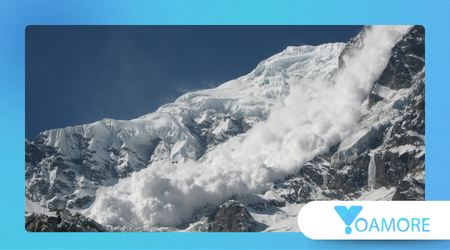
O trágico evento conhecido como avalanche de Huascarán de 1970 é indiscutivelmente o A avalanche mais mortal que você nunca ouviu falar. Desencadeado pelo enorme terremoto de Ancash, um bloco colossal de gelo e rocha se desprendeu do Monte Huascarán, no Peru.
Essa massa instável rapidamente se transformou em um fluxo de detritos em alta velocidade, descendo a montanha a velocidades assustadoras. Em poucos minutos, a avalanche estrondosa soterrou completamente a cidade de Yungay, juntamente com várias aldeias vizinhas menores.
Anúncios
A magnitude desse desastre em alta altitude pegou todos desprevenidos, remodelando permanentemente a geografia local. Apesar da perda impressionante de milhares de vidas, esse evento catastrófico raramente aparece nos principais livros de história internacional da atualidade.
Por que o desastre de Huascarán se agravou tão rapidamente?
O principal catalisador foi um grande terremoto submarino de magnitude 7,9 na escala Richter. O intenso tremor sísmico desestabilizou uma enorme geleira no pico norte da montanha, provocando um colapso repentino e violento.
À medida que o pesado gelo caía, ganhava um impulso imenso, arrastando lodo glacial solto, pedregulhos e água. Essa combinação criou um deslizamento de lama fluido e veloz que ultrapassou as barreiras naturais do vale com uma facilidade alarmante.
A topografia singular do vale do Callejón de Huaylas canalizou os detritos diretamente em direção às áreas povoadas. Consequentemente, os moradores de Yungay tiveram menos de cinco minutos para buscar abrigo antes que a avalanche de lama os atingisse.
Quando ocorreu, de fato, esse evento histórico esquecido?
Essa catástrofe ambiental ocorreu na tarde de 31 de maio de 1970, durante um tranquilo domingo. A maioria das famílias estava em casa ou participando das feiras locais de fim de semana quando o terremoto inicial sacudiu inesperadamente a região.
O momento da operação maximizou o número de vítimas, pois o estádio local estava lotado para uma importante partida de futebol. Em instantes, o A avalanche mais mortal que você nunca ouviu falar apagou décadas de crescimento comunitário e desenvolvimento estrutural.
As operações de resgate enfrentaram enormes atrasos devido a estradas destruídas, redes de comunicação comprometidas e densas nuvens de poeira. A comunidade internacional mal conseguiu compreender a verdadeira dimensão da destruição até vários dias após o ocorrido.
+ As Misteriosas Crianças Verdes de Woolpit
Como a análise de tragédias históricas beneficia os profissionais digitais modernos?
Analisar dados históricos complexos ajuda os trabalhadores remotos a desenvolverem habilidades avançadas de pesquisa e objetividade factual. Navegar por registros antigos ensina a identificar fontes confiáveis e a evitar conteúdo sensacionalista e caça-cliques online.
Os cenários digitais modernos exigem que os profissionais analisem situações complexas com calma, tal como historiadores forenses. Compreender as falhas estruturais do passado incentiva o desenvolvimento de melhores estratégias de gestão de riscos em negócios digitais.
Estudar eventos esquecidos nos lembra que uma preparação sólida e a realidade objetiva sempre superam as tendências passageiras da internet. Desenvolver uma mentalidade disciplinada e orientada para a pesquisa garante crescimento profissional a longo prazo e autoridade em áreas online competitivas.
Para explorar como habilidades analíticas rigorosas se traduzem em estratégias de conteúdo digital bem-sucedidas, confira estas diretrizes esclarecedoras sobre Fundamentos da Busca do Google, que enfatizam a precisão factual.
+ O navio que circunavegou o globo sem intenção.
Que lições de segurança os geólogos de todo o mundo aprenderam com Yungay?
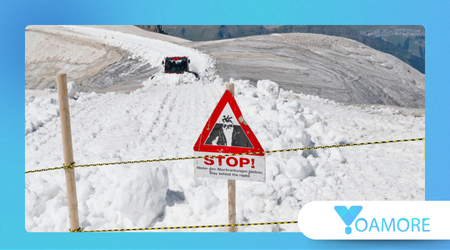
A destruição completa do vulcão Yungay obrigou cientistas internacionais a repensarem os riscos em grandes altitudes e a geologia de montanhas. Os pesquisadores perceberam que lagos glaciais e calotas polares instáveis exigem monitoramento contínuo por satélite para proteger as comunidades vulneráveis.
Os governos criaram equipes especializadas em levantamentos geológicos para mapear zonas de risco em terrenos montanhosos. Esse evento trágico inspirou diretamente os modernos sistemas de alerta precoce que hoje protegem cidades alpinas na Suíça, Itália e Canadá.
Além disso, os gestores de risco aprenderam que infraestruturas cívicas críticas nunca devem ser construídas diretamente em potenciais trajetórias de detritos. Essas lições históricas continuam a salvar inúmeras vidas, influenciando as leis modernas de planejamento urbano em todo o mundo.
+ A Cidade Perdida de Cahokia: A Metrópole Esquecida da América
Conclusão
A trágica destruição de Yungay permanece como um lembrete contundente do poder imprevisível e destrutivo do nosso planeta. Recordando o A avalanche mais mortal que você nunca ouviu falar Honra as vítimas ao mesmo tempo que aguça nossa consciência histórica coletiva.
Para os profissionais da área digital, olhar para o passado oferece lições valiosas sobre resiliência, profundidade analítica e verdade objetiva. Fundamentar sua carreira em análises factuais ajuda você a navegar com confiança na economia digital moderna.
Para aprofundar sua compreensão sobre como documentar eventos históricos com precisão, sem cair no sensacionalismo da mídia moderna, revise os rigorosos padrões de reportagem mantidos pela... Centro Nacional de Dados Geofísicos, que arquiva dados sobre desastres naturais globais.
FAQ (Perguntas Frequentes)
O que tornou a avalanche de Huascarán única em comparação com outros deslizamentos de montanha?
A velocidade extrema, o enorme volume de lama fluida e a imensa distância percorrida tornaram o fenômeno excepcionalmente destrutivo. Ele saltou facilmente sobre uma grande colina que os moradores acreditavam que os protegeria.
Quantas pessoas sobreviveram ao desastre na cidade de Yungay?
Menos de 400 pessoas sobreviveram, muitas delas salvando-se ao correrem para o cemitério local, que ficava em um ponto mais alto. Um pequeno grupo de crianças também sobreviveu por estar em um circo itinerante.
Um deslizamento de terra semelhante pode ocorrer novamente no Monte Huascarán hoje em dia?
Sim, as mudanças climáticas estão derretendo ativamente as geleiras tropicais, tornando as paredes rochosas em grandes altitudes cada vez mais instáveis. No entanto, os modernos sistemas de rastreamento por satélite agora fornecem alertas antecipados para evitar tragédias semelhantes com múltiplas vítimas.
Por que essa avalanche específica não é amplamente discutida na cultura popular moderna?
A localização remota, a falta de imagens de vídeo imediatas e a concorrência de notícias globais em 1970 limitaram seu impacto midiático a longo prazo. Com o tempo, o evento foi ofuscado por acontecimentos históricos mais acessíveis.