Why analog hobbies are making a cultural comeback
Modern professionals live inside a relentless digital loop—managing back-to-back Zoom calls, triaging notifications, and editing cloud documents until the day simply evaporates.
Anúncios
Somewhere along the way, engaging with tangible, offline pastimes stopped being just a quaint weekend pastime and became an act of cognitive self-defense.
Here is a quick look at what this guide explores:
- The cultural and psychological forces quietly pushing remote workers back toward physical tools
- Real market data showing the surprising financial resurgence of print, vinyl, and analog gear
- Cognitive mechanics explaining why hands-on creative breaks repair our fractured attention spans
- A practical, realistic blueprint for carving out non-digital time without ruining your billable hours
What is driving the revival of tactile leisure pursuits?

Remote work promised freedom, but for millions of knowledge workers, it simply collapsed the wall between living space and office space.
Screen fatigue isn’t just about sore eyes at 5 PM; it is a deeper kind of burnout caused by working in spaces where everything feels intangible.
Anúncios
Algorithmic feeds feed us passive entertainment that leaves us feeling curiously empty, even after hours of scrolling.
Crafting something physical—whether sanding down a scrap piece of timber or pulling a hot loaf of sourdough from the oven—offers direct, physical feedback that an edit on a Google Doc never can.
Our digital channels are efficient, sure, but they flatten human experience into pixels and voice compression.
There is something deeply grounding about stepping away to join a local printmaking workshop, drop a needle on a vinyl record, or sit across a wooden table for a game of chess.
When you focus on physical materials, your brain shifts into a slow, meditative flow that smartphone screens actively sabotage.
Picking up analog hobbies breaks that cycle of constant micro-distractions, rebuilding the deep mental focus we need to sustain long-term creative careers.
++ How micro-fandoms are reshaping modern entertainment
Why are digital professionals trading screens for physical crafts?
Building software, writing copy, or analyzing financial spreadsheets means spending whole days producing abstract assets that live on a server somewhere.
Making physical artifacts provides immediate, tangible proof of effort—a simple psychological reward that software platforms rarely deliver.
The boundary lines between billable work and personal rest have thinned to almost nothing in recent years. Setting up manual rituals creates a hard, physical boundary that signals to your nervous system: work is over for today.
Tactile learning activates neurological paths tied to spatial memory and fine motor control in ways tapping a keyboard never will.
Taking time to learn woodworking, darkroom photography, or ceramics sharpens overall mental agility, subtly sharpening how you solve problems back at your desk.
Stepping away from screens isn’t about escaping reality; it is a proactive strategy for staying healthy in an online economy.
Making time for regular analog hobbies insulates independent professionals against the steady creep of mental exhaustion, protecting both personal sanity and professional output.
Which physical pastimes show measurable market growth today?
Look closely at consumer spending over the past few years, and you’ll see a quiet, steady migration back toward physical goods.
Record shops, independent booksellers, film stock suppliers, and tabletop game publishers are quietly posting remarkable sales numbers across almost every demographic.
Take a look at the verified revenue metrics across major physical entertainment sectors:
+---------------------------+-------------------------------+----------------------------------+
| Industry Sector           | Primary Market Metric         | Economic Growth / Trend Data     |
+---------------------------+-------------------------------+----------------------------------+
| Vinyl Record Sales        | US Revenues (RIAA Report)     | $1.4 Billion total revenue       |
+---------------------------+-------------------------------+----------------------------------+
| Tabletop & Board Games    | Global Market Valuation       | Projected $30+ Billion trajectory|
+---------------------------+-------------------------------+----------------------------------+
| Print Books (Paperback)   | Annual Unit Volume (Circ.)    | Over 780 Million copies sold     |
+---------------------------+-------------------------------+----------------------------------+
| Instant Film Cameras      | Unit Shipment Growth Rate     | Steady 7-9% Compound Annual Rate |
+---------------------------+-------------------------------+----------------------------------+
Board game cafes are packed on weeknights because younger workers are starved for simple, face-to-face interaction that doesn’t involve a camera toggle.
Tabletop mechanics demand strategy and presence without requiring a software update, a battery charger, or an internet connection.
Stationery, fountain pens, and heavy paper journals tell the exact same story. Writing by hand slows down your thoughts, helping process stress and organize complex ideas far more effectively than typing into a blank digital document.
++ How glocal culture blends local roots with global trends
How do manual pastimes improve cognitive recovery and focus?
Computer monitors demand a constant, fragmented type of attention, perpetually splitting working memory between open browser tabs and chat apps.
Physical activities force you into single-tasking, slowing down elevated heart rates and calming an overworked nervous system.
Neuroscience shows that using your hands to manipulate real tools stimulates sensory receptors across the palms and fingertips.
This sensory engagement promotes stable alpha brainwave activity—the same calm, clear state achieved during deep mindfulness meditation.
Finishing a physical project releases dopamine slowly through patient, hands-on work rather than the rapid, cheap hits provided by social feeds.
Cultivating patience through continuous analog hobbies effectively retrains attention spans damaged by short-form videos and instant messages.
True mental recovery happens when you completely step away from digital interfaces. Letting your conscious mind rest during an offline activity allows your brain to quietly process complex workplace problems in the background, leading to unexpected breakthroughs.
How can remote workers integrate offline routines into busy schedules?
Block out offline recovery time directly on your work calendar, protecting it with the same discipline you apply to high-stakes client presentations. If you don’t schedule your rest, your inbox will happily swallow it whole.
Carve out a specific corner of your home—even a single armchair or a corner of your balcony—that remains completely free of screens, laptops, and chargers.
Keeping tools like notebooks, sketchpads, or gardening shears visible removes friction, making it easy to drop into an offline mindset during breaks.
Don’t start with overwhelming goals; commit to just twenty minutes of non-digital reading, sketching, or leatherworking each afternoon.
Small, consistent daily habits build sustainable momentum far better than drastic lifestyle overhauls that collide with client deadlines.
Try pulling the plug on your internet router an hour before dinner to create a firm boundary for the evening. Regularly choosing analog hobbies guards your personal time against late-night work emails, preserving your energy across demanding project cycles.
What long-term career benefits come from tactile balance?
Sustaining a long, successful career as a knowledge worker requires deliberate energy management, not just grinding out code or copy until your battery dies.
Freelancers and remote professionals who build rich offline lives report significantly lower burnout rates and far higher creative drive over time.
Tying your entire sense of self to your professional work is a recipe for anxiety. Developing hands-on interests outside of your job builds a resilient personal identity that easily absorbs the occasional lost client or tough project revision.
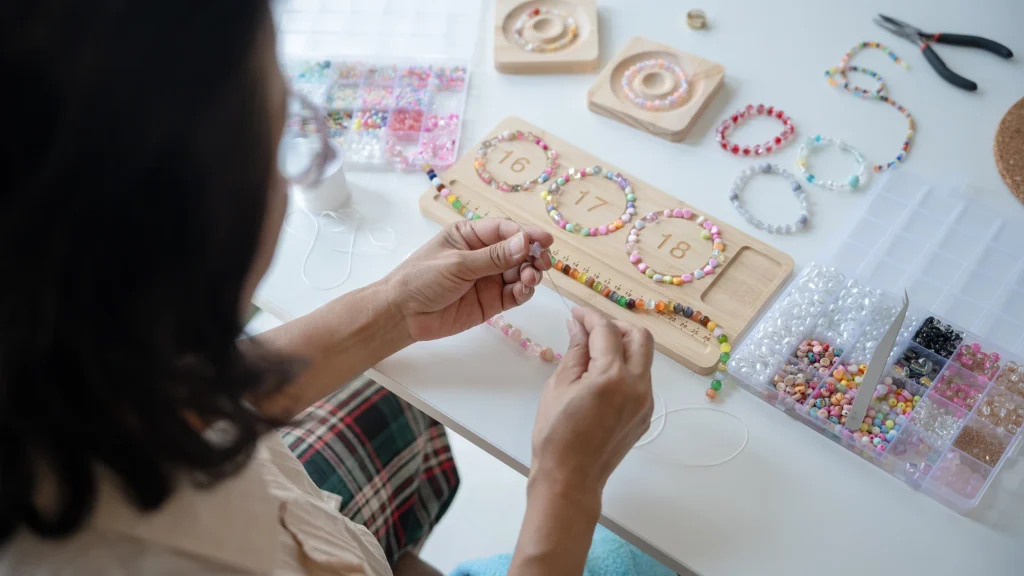
Interdisciplinary thinking thrives when your brain regularly explores unfamiliar physical tasks. The patience developed while binding a book or tuning a mechanical watch often triggers surprisingly elegant solutions to tough digital problems back at work.
Building a sustainable career comes down to honoring the boundary between working and living. Making space for hands-on creativity gives you the stamina and mental clarity needed to thrive in a demanding digital economy for decades to come.
++ The cultural role of reaction driven content trends
Frequently Asked Questions (FAQ)
What defines an analog pastime compared to digital leisure?
An analog pastime relies strictly on physical materials, manual tools, or print media, completely avoiding computer screens, internet connections, microprocessors, or cloud apps.
How much time should remote professionals spend on physical activities weekly?
Setting aside three to five hours a week creates a noticeable boost in mental clarity, though even a short fifteen-minute daily session helps quiet an overstimulated nervous system.
Can low-budget physical pastimes provide similar cognitive recovery benefits?
Inexpensive activities like journaling, pencil sketching, reading paperbacks, or tending houseplants offer the exact same psychological recovery benefits without requiring pricey equipment.
Why do physical books offer better retention than electronic screens?
Turning physical pages creates clear spatial memory anchors that improve recall, while keeping your eyes safe from backlight fatigue and the constant pull of digital pop-ups.
Conclusion
Carving out space for tactile, non-digital experiences isn’t a retro trend or a temporary distraction from work. It is a vital strategy for staying sharp, grounded, and creative in a culture that demands we spend our entire lives staring at glass rectangles.
Setting clear boundaries around your screen time protects your mental health from the slow burn of professional exhaustion. Embracing tactile work ensures you stay focused, refreshed, and genuinely satisfied with both your personal life and your remote career.
For additional insights into workplace wellness and evidence-based mental health practices, consult the latest resources published by the American Psychological Association .