How Operation Cottage Became WWII’s Strangest Allied Invasion
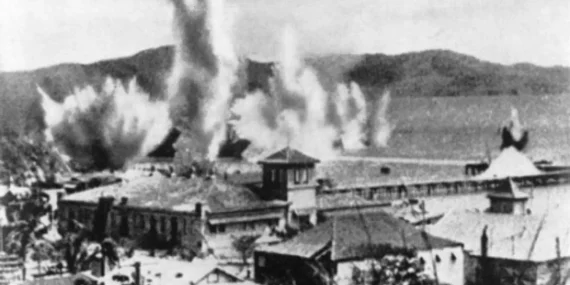
Military strategists love dissecting glorious victories, yet history’s most uncomfortable anomalies often hold far sharper lessons. Operation Cottage stands out as a haunting example—a massive military assault launched against an island where the enemy no longer existed.
Anúncios
In August 1943, over thirty-four thousand American and Canadian troops landed on Kiska Island, deep in the Aleutian chain. What followed was four days of chaos, tragedy, and phantom combat that exposed the terrifying power of operational blind spots.
Below is a breakdown of how bad intelligence, severe weather, and raw tension turned an undisputed landing into a self-inflicted disaster.
Article Summary
- What Was the Mission? Recapturing American territory occupied by Japanese imperial forces.
- Why Did Planning Fail? Aerial reconnaissance mistook ghost signs for live enemy defenses.
- How Did Casualties Occur? Dense fog triggered widespread friendly fire, mines, and booby traps.
- What Are Key Lessons Learned? Command structures overhauled reconnaissance verification and joint-force communications.
What Is the Historical Context Behind Kiska Island?
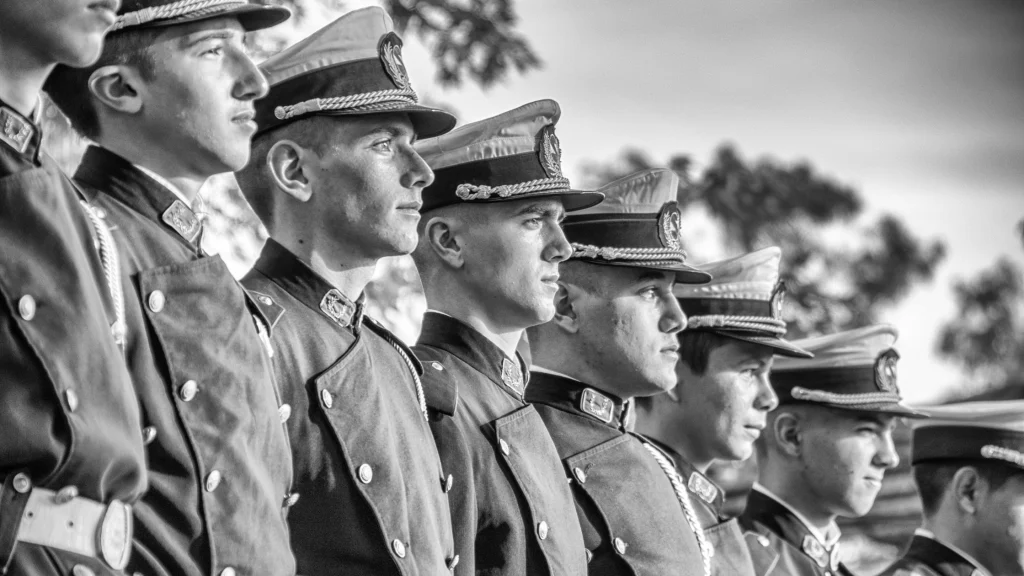
When Japanese forces seized Attu and Kiska in June 1942, the move shocked Allied high command. Enemy soldiers were holding sovereign North American territory, threatening vital shipping lanes across the icy Northern Pacific.
Reclaiming these barren volcanic islands proved brutal. The environment itself felt hostile, dominated by subzero gales, vertical rock face climbs, and a perpetual blanket of thick fog.
Anúncios
After suffering heavy losses to retake neighboring Attu earlier that May, Allied commanders vowed not to take chances. They assembled an overwhelming assault force, determined to crush Kiska’s garrison through sheer numbers and firepower.
Row after row of landing craft lined up off the coast, carrying thousands of soldiers trained for intense close-quarters combat against an entrenched foe that was already gone.
++ The Battle of Athens: When WWII Veterans Took Back a Town
How Did the Japanese Army Evacuate Without Detection?
Imperial planners realized early on that Kiska was strategically unsustainable. Rear Admiral Masatomi Kimura devised a bold evacuation plan, waiting patiently for the region’s notorious summer weather to mask his fleet.
On July 28, 1943, under cover of atmospheric fog so thick you could barely see the bow from the stern, Japanese cruisers slipped right through the American naval blockade.
In roughly forty-five minutes, all 5,183 Japanese personnel boarded transports and vanished, leaving behind decoy artillery, empty barracks, and timed radio transmissions designed to keep the Allies watching shadows.
Pilots flying high-altitude reconnaissance interpreted movement on the ground—mostly abandon dogs roaming beaches and wind-blown decoy structures—as proof that thousands of enemy combatants were still digging in.
Why Did Operation Cottage Result in Severe Casualties?
When Allied boots hit Kiska’s beaches on August 15, visibility was practically zero. Thousands of jittery, cold, highly trained infantrymen advanced up dark, unfamiliar slopes, expecting a lethal ambush at any moment.
Isolation and echo-prone ravines amplified every movement. A mistaken shadow or accidental shot quickly escalated into frantic firefights between American and Canadian units, each convinced they were engaging hidden Japanese positions.
Over four agonizing days of hunting an invisible army through mud and fog, friendly fire claimed thirty-one Allied lives and wounded more than fifty others.
Danger lurked beneath the mud as well. Japanese forces had rigged abandoned bunkers with explosives, killing curious soldiers who stepped inside, while a naval mine blew a massive hole in the destroyer USS Abner Read offshore.
By the time commanders called off the search, Operation Cottage had claimed over three hundred casualties—including ninety-two dead, dozens wounded, and scores suffering from trench foot and severe psychological breakdown—without a single enemy soldier firing a shot.
++ The Lost Expedition That Accidentally Redrew National Borders
Key Tactical Metrics of the Kiska Invasion
| Metric Category | Historical Data |
|---|---|
| Total Allied Invasion Forces | ~34,400 Ground Troops (US & Canada) |
| Evacuated Japanese Forces | 5,183 Personnel (Evacuated July 28, 1943) |
| Allied Fatalities (Ground & Sea) | 92 Total Deaths (Friendly Fire, Mines, Explosives) |
| Allied Non-Combat Casualties | 200+ (Cold Injuries, Trench Foot, Psychological Impact) |
| Primary Environmental Factor | Sub-Zero Fog, Zero Visibility, Volcanic Terrain |
What Are the Lasting Operational Lessons of This Campaign?
Kiska became an enduring case study in how dangerous assumptions become when confirmation bias shapes military intelligence. Commanders saw what they expected to see on their aerial maps, ignoring subtle indicators that the target was empty.
The debacle forced a complete overhaul of how joint operations identify friendly units during chaotic landing scenarios. Night-fighting protocols and challenge-and-reply codes were overhauled across the Pacific theater almost immediately.
Modern historical analyses preserved by the U.S. Army Center of Military History reveal how Kiska’s hard lessons directly reduced friendly fire incidents during later amphibious landings in Europe and the Central Pacific.
++ The Year Europe Ran Out of Tulips After the Bubble Burst
Conclusion
The landing on Kiska stands as a grim reminder that fear and poor intelligence can inflict as much damage as an armed enemy. Thousands of men landed ready to fight for every inch of rock, only to end up battling their own nerves and each other in the fog.
While the strategic goal of clearing the Aleutians was technically achieved, the casualties suffered on an empty island left a stain on Allied planning.
It remains a classic warning for any complex operation: when you ignore environmental reality and fail to verify your assumptions, you end up fighting ghosts—and ghosts usually win.
Frequently Asked Questions
What was the main purpose of this mission?
The Operation aimed to clear Japanese troops from Kiska Island, securing the Northern Pacific air corridors and eliminating potential staging points near Alaska.
Did any enemy combatants remain during the assault?
No Japanese soldiers remained on the island. Admiral Kimura’s fleet successfully evacuated the entire five-thousand-man garrison over two weeks before the Allied landing took place.
How did friendly fire occur during the operation?
Extreme fog, high tension, and echo-filled terrain caused isolated American and Canadian patrols to confuse each other for Japanese defenders holding peak positions.
Why was intelligence unable to detect the evacuation?
Thick weather obscured visual reconnaissance, while automated radio signals and stray dogs moving through abandoned camps created the illusion of active military presence.
How many ships were damaged in the assault?
The destroyer USS Abner Read struck a hidden naval mine off the coast, suffering severe stern damage and losing twenty-four crew members in the explosion.
For detailed archival records covering Pacific naval engagements, consult historical studies published by the U.S. Naval History and Heritage Command.