Deep in the archives of American criminal history, industrial collapse has a way of breeding dark mysteries. Between 1935 and 1938, a brutal series of killings gripped Ohio at the height of the Great Depression.
Anúncios
This article cuts into the core investigation, victim profiles, suspect theories, and the lingering forensic echo of the Cleveland Torso Murders.
Panic spread fast through working-class neighborhoods as police kept turning up unidentified remains.
Industrial workers and commuters lived with constant dread while daily headlines stoked citywide terror.
Historians still return to these cold cases, not just for the horror, but to study the limits of early American forensics and police work.
Anúncios
Revisiting this brutal chapter reveals uncomfortable truths about investigative failures, evidence handling, and urban decay.
The following sections walk through the timeline, victim demographics, key suspects, and historical fallout.
You’ll get a sharp, clear look at why this case still haunts criminology today.
What Were the Cleveland Torso Murders?
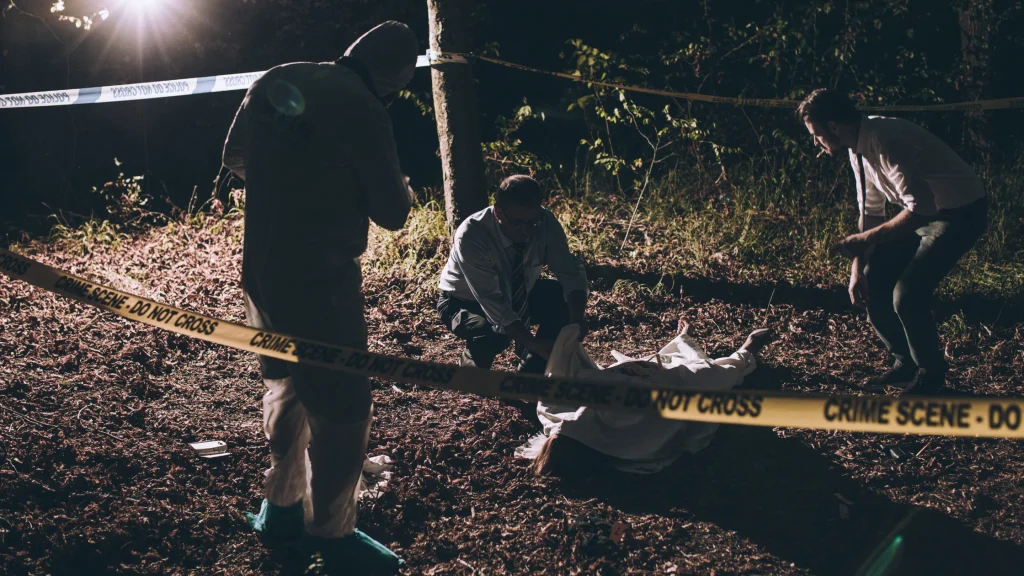
In the mid-1930s, an unknown killer terrorized Ohio’s industrial heart, decapitating and dismembering victims with chilling precision.
Official police ledgers recorded twelve victims, though informal estimates put the count much higher.
Most bodies turned up in bleak, improvised shantytowns like Kingsbury Run, where poverty made quick identification nearly impossible.
Eliot Ness, fresh off his Chicago reputation, took charge of public safety in Cleveland right as the killings escalated.
He launched aggressive sweeps through local rooming houses and taverns, trying to squeeze underworld contacts for leads.
Yet contradictory witness reports and crude forensic tools kept detectives chasing ghosts.
Pathologists noted that the killer moved like someone trained in anatomy, severing limbs cleanly without hacking.
Officers relied on basic fingerprinting and primitive blood grouping, long before DNA testing existed to solve cold cases.
In the end, the perpetrator vanished into history, leaving an unsolved horror attached to the city’s identity.
++ The Secret Postal Network That Defied an Empire
Which Victims Were Identified During the Investigation?
Putting names to the dead was brutal work because the killer methodically removed heads and distinct features. Out of twelve official victims logged by detectives, only a handful were ever definitively named.
Edward Andrassy and Flo Polillo were among those few identified after their remains were found in the dark fall of 1936.
Unemployed laborers, transient workers, and vulnerable street figures made up the killer’s primary target pool.
Because many lived without fixed addresses or close family nearby, missing person reports were filed late or omitted entirely.
That transient reality left police with broken timelines and almost no reliable crime scenes.
| Victim Identifier | Discovery Date | Location Found | Identification Status |
|---|---|---|---|
| Victim Number One | September 1935 | Kingsbury Run | Unidentified Male |
| Edward Andrassy | September 1936 | Kingsbury Run | Positively Identified |
| Flo Polillo | February 1937 | Orange Avenue | Positively Identified |
| Victim Number Seven | June 1937 | Cuyahoga River | Unidentified Female |
A quick look at city archives shows how heavily marginalized populations bore the brunt of the violence back then.
Researchers looking for primary records often rely on the Encyclopedia of Cleveland History for documented accounts of these cases.
Today, historians still cross-reference municipal records, hoping to attach real names to the remaining anonymous victims.
++ The Lost Expedition That Accidentally Redrew National Borders
Why Did Eliot Ness Struggle to Catch the Killer?
Eliot Ness became a national icon by taking down Al Capone’s mob operations in Chicago through systematic financial pressure.
But hunting a quiet, ghost-like killer in sprawling industrial slums required an entirely different kind of police work.
Newspaper headlines mocked the department daily, turning political pressure into a pressure cooker for city leaders.
Deep police corruption, political turf wars, and primitive forensics constantly derailed the homicide unit’s momentum.
Detectives had no centralized database, no radio network, and zero behavioral profiling tools to track a serial offender.
Instead, officers fell back on rough interrogations that produced bad confessions rather than solid evidence.
Things reached a boiling point when Ness ordered police to torch the Kingsbury Run shantytowns to burn out potential hiding spots.
Burning down makeshift homes displaced hundreds of destitute residents, but it never flushed out the murderer.
The case eventually went cold, and World War II shifted public attention elsewhere.
++ The Battle of Athens: When WWII Veterans Took Back a Town
Who Were the Primary Suspects in the Case?
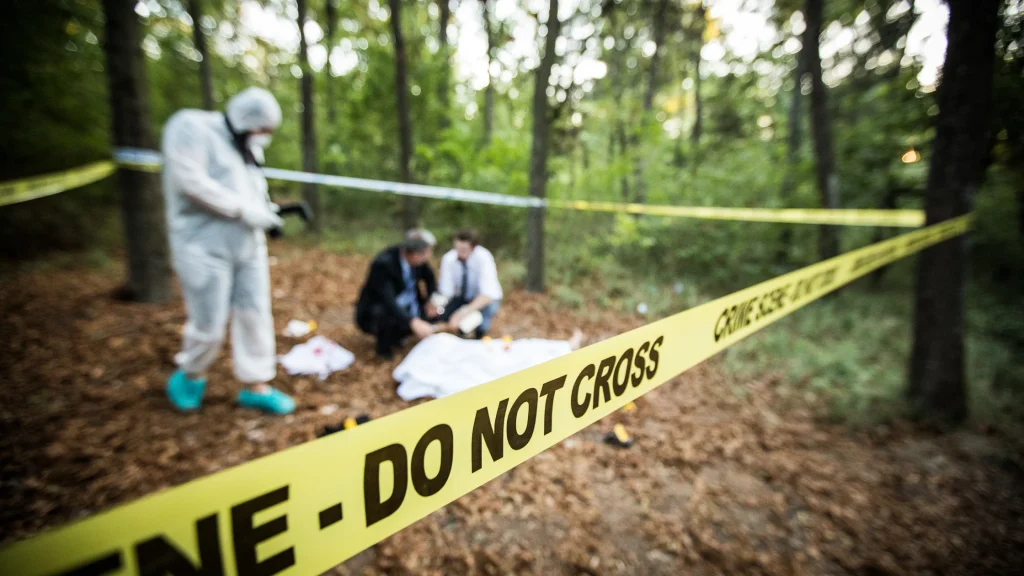
Over months of dead ends, detectives questioned dozens of locals, focusing on individuals with medical or butchering background.
Dr. Francis E. Sweeney quickly stood out as the prime suspect for Ness and his top investigators.
Sweeney had performed battlefield surgeries in World War I hospitals and lived close to several body dump sites.
Police put Sweeney through grueling interrogations and early polygraph tests, but they never gathered enough physical evidence to charge him.
As the pressure built, Sweeney voluntarily committed himself to a veterans’ psychiatric hospital, remaining institutionalized until his death in 1964.
Rumors lingered about political connections protecting him, though no hard documentation ever proved a cover-up.
Another key figure was Frank Dolezal, a local laborer picked up after making conflicting statements about victim Edward Andrassy.
Dolezal died in his cell before reaching trial, and later reviews pointed toward beatings while in custody.
That tragic misstep marked yet another breakdown in an investigation defined by missed chances.
Conclusion
The shadow of the Cleveland Torso Murders shows what happens when investigative tools fail to match the reality of urban crime.
While the killer was never brought to court, the case forced real shifts in evidence collection and homicide protocols.
Looking back at these cold files keeps the focus where it belongs—on the victims left behind in the chaos.
Revisiting historic cold cases offers a reality check on how far modern forensics and victim advocacy have actually come.
Readers interested in early federal investigative files can explore historical records through the Federal Bureau of Investigation History archives.
Studying these early failures reminds us why rigorous science and accountability matter in law enforcement.
Frequently Asked Questions (FAQ)
What made the Cleveland Torso Murders so difficult to solve?
A lack of forensic technology, missing DNA profiling, and transient victim populations made identifying bodies extremely difficult.
The killer also displayed surgical skill, leaving almost no usable physical evidence at the dump sites.
How many official victims were linked to the killer?
Police files officially recorded twelve victims discovered between 1935 and 1938. However, independent researchers and later historians suspect the actual body count was higher due to unlinked remains found along nearby rail lines.
Was the killer ever officially identified and convicted?
No one was ever formally indicted or convicted for the murders. Dr. Francis E. Sweeney remained the main suspect for years, but prosecutors never had the solid physical evidence required to bring the case to trial.