Como um canal do YouTube revitalizou a língua Chickasaw
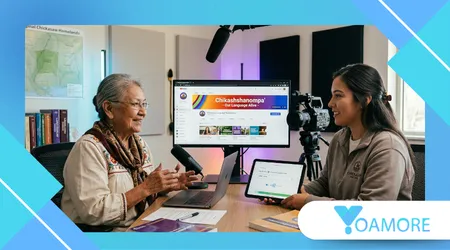
O Canal do YouTube revitalizou a língua Chickasaw. Transformando uma tradição oral ameaçada de extinção em um recurso digital dinâmico e acessível a um público global de jovens aprendizes com conhecimento de tecnologia.
Anúncios
Não se trata apenas de arquivar sons antigos; é uma recuperação radical da identidade numa era em que o ruído digital muitas vezes abafa as vozes ancestrais.
No vasto panorama da preservação digital, poucas histórias são tão fascinantes quanto o renascimento linguístico da Nação Chickasaw, uma jornada que une os mais velhos a uma cultura jovem que respira pixels e código.
Resumo da Recuperação Linguística
- A Transformação Digital: Ultrapassando as limitações da sala de aula tradicional.
- Contexto Cultural: Por que Chikashshanompa'’ Quase caiu em silêncio.
- O poder do vídeo: Os sinais visuais que o texto simplesmente não consegue capturar.
- Impacto na comunidade: Métricas reais de uma tribo respondendo à história.
- Perspectivas Futuras: Um plano para as 7.000 línguas restantes do mundo.
Qual é o estado atual da língua Chickasaw?
A língua Chickasaw, ou Chikashshanompa'’, não é apenas uma coleção de palavras; é uma visão de mundo Muskogean que outrora dominou o sudeste americano.
É uma linguagem de ação e relacionamento, profundamente ligada à terra que a tribo foi forçada a abandonar.
Anúncios
Décadas de trauma histórico e políticas agressivas de assimilação fizeram mais do que silenciar os oradores; elas romperam a cadeia natural de transmissão.
No início dos anos 2000, o idioma atingiu um ponto crítico, sendo classificado como criticamente ameaçado de extinção — um termo técnico para uma emergência cultural.
Felizmente, a Nação Chickasaw resistiu à tentação de tratar sua língua como uma peça de museu.
Eles entenderam que, para uma língua sobreviver, ela precisa ser usada para argumentar, para fazer piadas e para lidar com as complexidades de 2026, e não apenas para recitar orações.
Hoje, o esforço de revitalização é uma operação sofisticada. Ele elimina a abordagem acadêmica estéril, substituindo-a por uma produção midiática que faz com que o idioma pareça inevitável e necessário no cotidiano novamente.
Leia também: Como o islandês continua inventando palavras em vez de usá-las emprestadas
Como o canal do YouTube revitalizou a língua Chickasaw
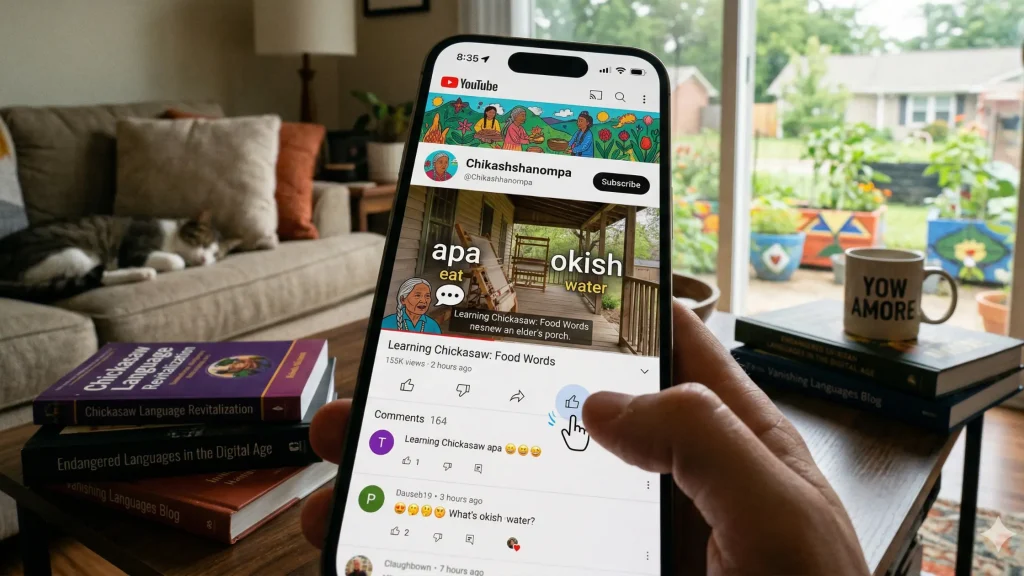
A inovação geralmente acontece quando os métodos antigos chegam a um beco sem saída.
Quando a Nação Chickasaw lançou sua plataforma de mídia, não estava apenas seguindo uma tendência; estava buscando seus jovens nos espaços digitais que eles já habitam.
O Canal do YouTube revitalizou a língua Chickasaw. Ao desconstruir a gramática complexa em lições "fáceis de assimilar".
Esses vídeos não parecem palestras; eles apresentam falantes nativos compartilhando pronúncias autênticas e histórias que dão vida à sintaxe.
Os livros didáticos são notoriamente ruins em ensinar a "essência" de uma língua.
O conteúdo em vídeo fornece o contexto não verbal essencial — a maneira específica como a boca se move ou a testa se franze — que é vital para dominar esses fonemas indígenas únicos que desafiam o alfabeto inglês.
Essa estratégia contornou com sucesso a dispersão geográfica da tribo.
Quer o cidadão esteja em Oklahoma ou em Londres, a conexão digital está sempre ativa, permitindo um profundo retorno às origens culturais que ignora fronteiras físicas.
As métricas de engajamento revelam uma mudança de paradigma. Milhares de assinantes agora interagem com o conteúdo, transformando um hábito passivo de visualização em uma comunidade ativa e engajada de aprendizes que não têm mais medo de errar em sua língua materna.
+ As línguas sussurrantes da Amazônia: línguas sem vogais
Por que o conteúdo em vídeo é eficaz para línguas ameaçadas de extinção?
Linguistas costumam falar de imersão como o "santo graal" da aprendizagem, mas a verdadeira imersão é quase impossível quando sua comunidade linguística está diminuindo. O vídeo cria uma "imersão virtual" que você pode levar no bolso.
O YouTube permite uma intimidade estranha, mas eficaz. Os alunos podem repetir as lições cem vezes sem serem julgados, pausando para captar as nuances tonais. Chikashshanompa'’ Isso se perderia em uma gravação de áudio granulada ou em uma entrada de dicionário sem graça.
Além disso, a plataforma permite que o idioma seja utilizado em diversos contextos. Assistir a um programa de culinária ou a um desenho animado dublado em Chickasaw comprova que o idioma não é uma relíquia do século XIX; é uma ferramenta funcional para o mundo moderno.
Ao mostrar como o Canal do YouTube revitalizou a língua Chickasaw., vemos uma restauração do prestígio.
Quando um adolescente vê sua língua ancestral formatada em um vídeo de alta produção, ela deixa de ser "a língua antiga da vovó" e passa a ser um símbolo de identidade.
+ Como a colonização apagou centenas de línguas indígenas
Quais ferramentas complementam o aprendizado digital de idiomas?
Um canal no YouTube por si só é uma faísca, mas precisa de uma floresta inteira para pegar fogo. A iniciativa em vídeo é a ponta visível de um ecossistema que inclui aplicativos para celular, um vasto dicionário online e um currículo integrado ao cotidiano das escolas indígenas.
O Programa de Revitalização da Língua Chickasaw Garante que essas aulas digitais sejam fundamentadas no contato humano.
O modelo “Mestre-Aprendiz” emparelha aprendizes com pessoas mais experientes e fluentes, usando os vídeos como um ponto de referência compartilhado para uma conversa mais aprofundada.
Os alunos costumam usar esses vídeos para decifrar o "porquê" por trás do "o quê". Um dicionário diz a palavra para "água", mas um vídeo mostra como a palavra muda quando a água está se movendo, caindo ou sendo derramada.
Essa abordagem multiplataforma cria pontos de contato constantes. Na busca pela fluência, a consistência é fundamental, e a acessibilidade digital garante que a língua Chickasaw nunca seja relegada a uma prateleira empoeirada ou a um disco rígido esquecido.
| Métrica | Situação em 2010 | Projeções para 2026 |
| Falantes nativos fluentes | Menos de 70 | Preservação contínua |
| Alunos Digitais (Anual) | Negligível | Mais de 15.000 |
| Aulas em vídeo disponíveis | 0 | 500+ |
| Downloads de aplicativos móveis | N / D | 50,000+ |
| Programas Escolares | Limitado | Integração em todo o estado |
Quais são os principais desafios na preservação digital?
Enquanto o Canal do YouTube revitalizou a língua Chickasaw., A transição não foi perfeita. Existe uma tensão inerente entre o ritmo acelerado da mídia digital e a sabedoria lenta e ponderada de um ancião tribal.
A precisão técnica é uma batalha constante. Se um vídeo for publicado com uma pequena imprecisão na pronúncia, corre o risco de ser considerado "correto" por milhares de aprendizes.
A Nação Chickasaw consegue isso mantendo os anciãos no centro do processo de edição.
Há também a sombra persistente da “exclusão digital”. As lideranças tribais continuam lutando por internet de alta velocidade em áreas rurais, garantindo que as próprias pessoas cujos ancestrais criaram o idioma não sejam excluídas de seu futuro digital.
Por fim, existe o risco de perder a “linguagem do coração” para a “linguagem da tela”.”
Manter as aulas interessantes sem eliminar a complexidade e a beleza da gramática de Muskogean exige um ajuste constante e delicado.
Como o modelo Chickasaw ajuda outras tribos?
A Nação Chickasaw construiu essencialmente um farol. Seu sucesso serve de modelo para outros grupos indígenas que veem seus próprios horizontes linguísticos se obscurecerem, provando que o fim não é inevitável.
Outras nações estão agora estudando como o Canal do YouTube revitalizou a língua Chickasaw. para evitar as mesmas armadilhas.
Eles estão aprendendo que a qualidade da produção importa — que a iluminação e o áudio nítido são atos de respeito aos ancestrais.
Isso desencadeou um “renascimento digital indígena”. Ao compartilhar conhecimento técnico, tribos menores podem implementar estratégias semelhantes, garantindo que o custo do software não se torne o preço da sobrevivência cultural.
Este movimento representa uma profunda mudança no poder narrativo. Os povos indígenas não são mais sujeitos de estudo etnográfico; eles são os diretores, editores e distribuidores de sua própria história viva.
Quando começou a transição para a alfabetização digital?
A mudança para uma preservação digital agressiva começou há cerca de quinze anos, mas atingiu o auge durante as recentes transformações globais.
Quando os encontros presenciais se tornaram arriscados, o espaço digital se tornou o principal refúgio da tribo.
Durante esse período, o cronograma de produção acelerou. A ficha caiu: o Canal do YouTube revitalizou a língua Chickasaw. com uma velocidade e escala que as salas de aula tradicionais simplesmente não conseguiriam igualar em uma crise.
Em 2026, esta biblioteca digital terá se tornado um dos arquivos indígenas mais importantes do planeta. É mais do que um recurso; é uma apólice de seguro permanente contra o silêncio das gerações futuras.
Essa linha do tempo mostra que a cultura não é um objeto estático a ser preservado, mas uma chama a ser alimentada. O povo Chickasaw sempre se adaptou para sobreviver, e seu domínio do YouTube é apenas a maneira mais recente pela qual eles estão superando aqueles que previram seu desaparecimento.
A ideia de que um Canal do YouTube revitalizou a língua Chickasaw. Pode parecer fantasia de um nerd da tecnologia, mas a realidade é fruto de suor, lágrimas e soberania tribal.
Isso demonstra que a tradição não é a adoração das cinzas, mas a preservação do fogo.
As ferramentas digitais são as novas guardiãs do sagrado. Chikashshanompa'’ A linguagem deixou de ser um sussurro no fundo de um livro de história; tornou-se uma presença vibrante, forte e desafiadora, que ecoa pelos alto-falantes de uma nova geração.
Ao olharmos para meados do século, o modelo Chickasaw surge como um farol de esperança para as línguas em extinção no mundo.
Isso prova que, com vontade coletiva suficiente, o passado "silencioso" pode encontrar sua voz e falar claramente para o futuro.
Para aqueles interessados na luta global contra o apagamento linguístico, o Atlas da UNESCO das Línguas do Mundo em Perigo Continua sendo o mapa definitivo do que podemos perder — e do que devemos lutar para salvar.
FAQ (Perguntas Frequentes)
O canal Chickasaw no YouTube é de acesso gratuito?
Sim, a Nação Chickasaw prioriza a sobrevivência cultural em detrimento do lucro, disponibilizando esses recursos de alta qualidade para qualquer pessoa com acesso à internet.
Pessoas que não são da etnia Chickasaw podem aprender o idioma?
Com certeza. A tribo incentiva todos a interagirem com o idioma, pois uma maior apreciação geralmente leva a um apoio mais forte aos direitos indígenas e à preservação cultural.
Quantas pessoas falam Chickasaw hoje em dia?
Embora os idosos fluentes nativos sejam poucos, a população de falantes de uma "segunda língua" está crescendo exponencialmente, criando uma nova geração de falantes alfabetizados em tecnologia e culturalmente enraizados.
Qual é o nome do canal oficial do YouTube?
Você pode encontrar as principais lições através dos canais de mídia oficiais da Nação Chickasaw e suas playlists dedicadas à revitalização da língua.
O canal do YouTube é o único método usado para o renascimento espiritual?
De jeito nenhum. O Canal do YouTube revitalizou a língua Chickasaw. como parte de uma estratégia "entrelaçada" que inclui programas universitários, acampamentos de imersão e mentoria individual com anciãos.